One of China’s leading state media outlets has suggested that the internal investigation concerning allegations against Nvidia’s CEO, Jensen Huang, might be politically motivated. The Global Times claims that American politicians are using this situation to restrict chip exports to China and challenge former President Donald Trump’s AI strategy.
A commentary published on November 9 questions if the scrutiny of Jensen Huang stems from genuine national security concerns or if it’s aimed at undermining a major figure in the U.S. tech industry. The newspaper connects this controversy to the growing opposition in the U.S. towards AI data centers and suggests that politicians critical of Nvidia’s business with China might benefit from Huang’s diminished influence in Washington.
The commentary follows reports suggesting that U.S. intelligence officials suspect Alice Huang, a former employee at Singapore-based Megaspeed, and alleged to have had an extramarital affair with Jensen Huang, of providing intelligence to Beijing. Jensen Huang has admitted the affair and apologized to his family, but has not disclosed the identity of the person involved.
“I was unfaithful to my wife. My actions hurt her and our children. There is no excuse for what I did. I am deeply sorry,” Jensen Huang stated in a release.
Nvidia’s board clarified they have no reason to believe that national security or company secrets are compromised. The company has initiated an independent investigation while Huang continues as CEO.
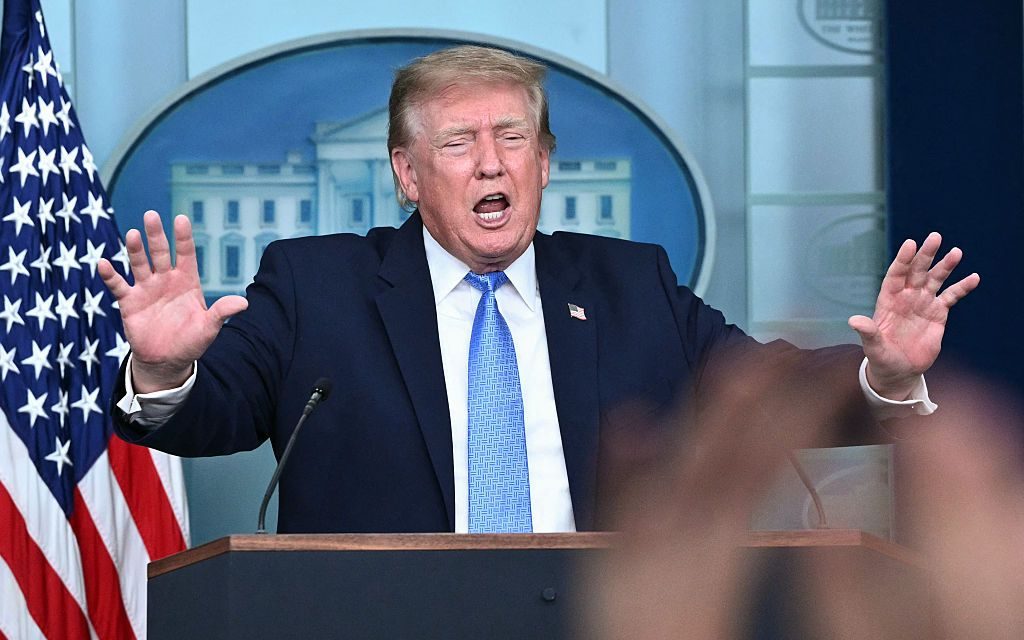
Former President Trump has publicly defended Jensen Huang, expressing confidence in Huang’s account of his relationship with the woman alleged to be an intelligence operative. Trump stated he directly discussed the allegations with Huang and feels assured that Huang was unaware of any intelligence links.
The Global Times’ piece, titled “Is investigation into Jensen Huang about counter-espionage, or is it a political witch hunt?”, questions the legitimacy of the espionage accusations. It suggests that the American media exaggerates the affair as a national security scandal without substantial evidence and blames politicians for amplifying unfounded claims.
The publication asks for concrete evidence, questioning the timing of the allegations and suggesting that Huang’s Chinese heritage might be a factor in the suspicion against him, though they provide no evidence that ethnicity influenced the investigation.
China’s Foreign Ministry has denied the espionage accusations. Spokesperson Guo Jiakun labeled the spy allegations as baseless, aimed solely at discrediting China. Meanwhile, Chinese state media claim American politicians are exploiting the scandal involving Huang to propose stricter AI chip export controls amid bipartisan suspicion over Nvidia’s dealings with China.
In an article dated November 10, Global Times quoted Chen Hong of East China Normal University, who accuses U.S. lawmakers of using the allegations to justify increased restrictions on Chinese technology. No evidence indicates politicians orchestrated or interfered with the investigation.
Recently, Senators Elizabeth Warren and Jim Banks have emphasized the need for tighter chip-export controls, citing questions stemming from Huang’s revealed relationship with a Chinese intelligence suspect. Furthermore, three Republican House committee chairmen have sought a private briefing on these matters, while Democratic leader Hakeem Jeffries has called for answers.
No public evidence confirms the woman’s connection to Chinese intelligence or that Alice Huang intentionally shared sensitive information.
Contact Newsweek editors John Fitzpatrick and Geoffrey Rowland for this story.
 The Jensen Huang Controversy: Silicon Valley’s Divided Opinion
 Virginia Residents Sue Over Alleged Immigration Violations
 California Lawsuit Against OpenAI: Key Details and Implications
 United Airlines Faces System Outage Amid Banking Disruptions
 MTA Worker Attacked During Subway Dispute
 Updates on Key International and Domestic Events