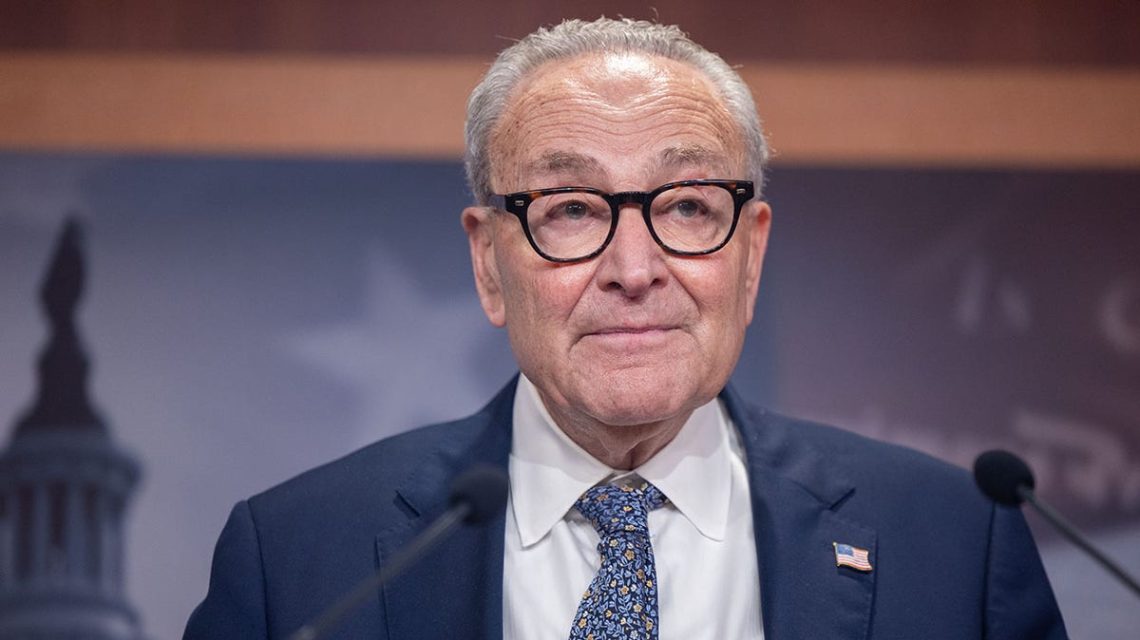
Hakeem Jeffries, the House Minority Leader, addressed the media on Capitol Hill following the notable Democratic successes in the 2026 midterm elections. Jeffries outlined the party’s legislative plans, emphasizing efforts to reduce costs and safeguard critical programs for American families.
Following a successful Election Night, Democrats are now focusing on significantly increasing government spending and adjusting taxes to finance these initiatives. They might find an unexpected partner in the White House. Although the new Democratic members will officially take office next year, they have announced plans to boost government healthcare spending, issue direct payments to voters, restore housing assistance, and urge the repeal of bureaucracy cuts.
Republicans, traditionally opposed to increased social spending, may support some of the Democrats’ measures. President Donald Trump expressed a willingness to negotiate with liberal lawmakers as the GOP faced losses during the midterms. Both Trump and Vice President JD Vance have shown interest in extending Affordable Care Act (ACA) subsidies, though they prefer increased verification to prevent fraud.
Trump and Vance have also shown openness to raising taxes on high earners, aiming to balance the federal budget. However, estimates suggest that the potential revenue from these tax increases may not cover the proposed spending.
The Democratic proposal to extend ACA subsidies remains a point of contention. Senate Minority Leader Chuck Schumer and Senate Democrats demand a deal on extending expiring Obamacare tax credits, refusing to reopen the government without it.
The White House remains open to compromise with Democrats if proposals remain moderate. “President Trump will continue to enact his America First agenda,” said White House spokeswoman Olivia Wales. She stated that Trump is willing to collaborate with those interested in strengthening the economy and improving lives without pursuing radical policies.
With significant majorities in both chambers, Democrats still lack the numbers to override a presidential veto, making cooperation essential for enacting their agenda. Michael Cannon from the Cato Institute suggests Republicans did not lose seats due to healthcare policies. He argues ACA subsidies for wealthy individuals were unnecessary and not the cause of Republican losses.
Proposed spending increases coincide with a growing annual deficit, nearing $2 trillion in fiscal 2026. The federal government spent over $1 trillion on interest for the national debt that year. Cannon warns prolonged unsustainable spending could negatively affect bond markets, leading to steep spending cuts, as seen in fiscally irresponsible countries.
Healthcare is central to the Democratic agenda. They aim to restore Medicaid funding, SNAP funding, extend ACA tax credits, eliminate Trump tariffs, and end foreign conflicts. Jeffries emphasized these goals in a November manifesto.
The Congressional Budget Office estimates potential Medicaid cuts could reduce enrollment by 13 million people while saving $1.2 trillion over a decade. Despite political reluctance, expanding ACA tax credits might offer bipartisan agreement. Making these credits permanent could add $350 billion to federal deficits by 2035, according to the CBO.
Healthcare experts, including Cannon, argue that increasing subsidies without addressing healthcare costs can drive up prices, affecting consumers and taxpayers over time. Some economists claim that subsidizing demand without increasing supply leads to higher costs.
A progressive push led by Reps. Alexandria Ocasio-Cortez and Terri Sewell urges Jeffries to expand Medicare benefits and medical debt relief, but these initiatives would require substantial funding.
Beyond healthcare, Democratic leaders propose vast spending plans. Illinois Gov. JB Pritzker released a 200-proposal document, pushing for increased spending on infrastructure, housing assistance, and food security.
Taxing billionaires and high earners may become a focus to generate revenue for these plans. Sen. Ron Wyden has suggested taxing unrealized gains, while other Democrats propose increased corporate taxes.
Some Republicans, including Trump and Vance, have expressed willingness to consider taxing wealthy Americans more to support lower-income workers. Democratic Sens. Chris Van Hollen and Mark Kelly propose the Working Americans’ Tax Cut Act, capped tax rates for most, and surtaxes on earnings over $1 million. This could net $264 billion over ten years, not enough to cover ACA subsidies.
Republican proposals, like those from Sens. Bernie Moreno and Josh Hawley, also explore taxing high earners to fund social programs. Sens. Ron Wyden and Elizabeth Warren propose raising taxes on corporate stock buybacks, potentially raising $242 to $300 billion over a decade.
As U.S. debt exceeds $40 trillion, affordability becomes a pressing issue. Democratic wealth tax proposals are politically divisive and could hinder economic growth.
Cannon views current healthcare funding talks as political posturing by Democrats. Despite the challenges, ambitious Democratic spending plans persist at both federal and state levels. Amid Democratic victories in state elections, public expenditures are expected to rise.
For instance, Texas Governor-elect Gina Hinojosa proposed distributing $1,500 checks to households using the state’s rainy day fund, a move echoing Trump’s campaign promise.
 Mayor Mamdani’s Policing Reform Plans
 Gen Z Voter Shifts and Their Impact on the 2026 Midterm Elections
 Disappearance of US Senate Candidate Raises Questions
 DOJ Rule Change Reduces Appeal Time for Immigrants Facing Deportation
 Hakeem Jeffries’ Bid for House Speaker Faces Progressive Hurdles
 Ohio Judge Dismisses Defamation Lawsuit by Rep. Max Miller