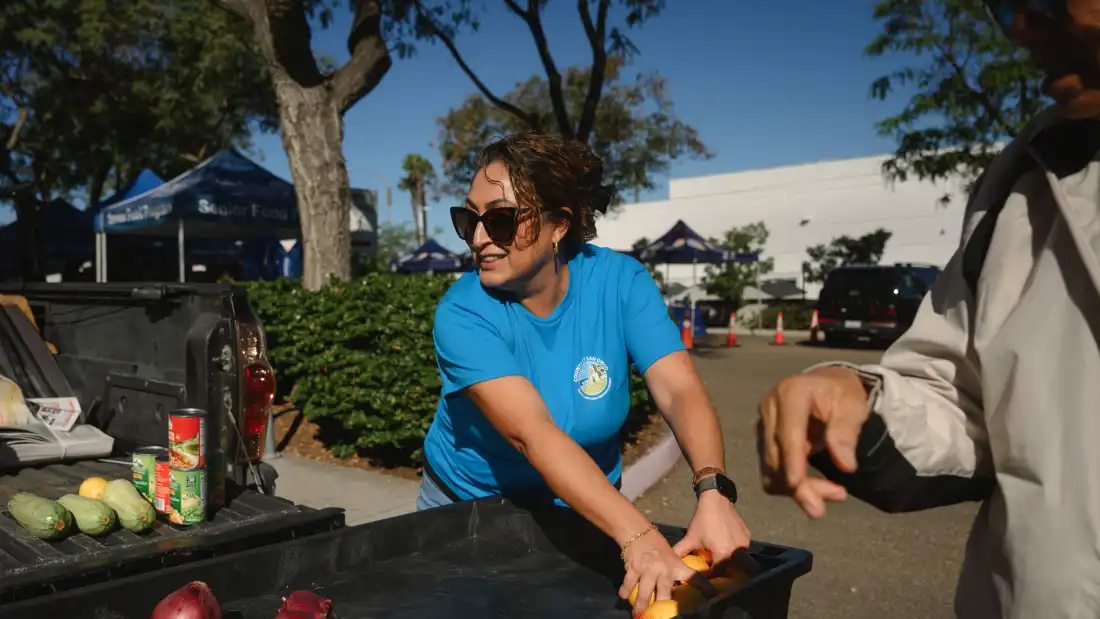
In San Diego, Rosa Rodarte, a human services specialist, usually assists people in applying for aid programs. On a recent Saturday morning, she took on a different role. She was at a food distribution event, loading groceries into attendees’ vehicles. Her focus was clear: ensure help reaches those in need without judgment.
Participation in the Supplemental Nutrition Assistance Program (SNAP) has dropped dramatically. Nationally, five million individuals lost SNAP benefits following the passage of a substantial tax and spending bill. This legislation reduced SNAP funding, imposed stricter eligibility, and barred asylum seekers and most refugees from receiving aid. These changes have strained families facing food insecurity and the government workers tasked with administering these programs.
Nina Olivas, who manages San Diego’s Access Customer Service Call Center, speaks about the emotional burden. The staff often hears urgent pleas for help. Despite their best efforts, sometimes immediate assistance isn’t possible. Since the bill’s enactment in July 2025, San Diego County has seen a reduction of 36,000 SNAP participants. In response, the county partnered with local food banks to distribute groceries at social service offices.
Olivas emphasizes the impact of her team’s work. They help residents access vital aid, supporting them during life’s low points like job loss or illness. The staff views themselves as frontline workers. They see firsthand the challenges posed by new work requirements for certain groups, which critics say exacerbate paperwork burdens.
In the past year, San Diego has processed over 830,000 more documents than the previous year. This increase largely stems from the additional paperwork required by recent policy changes. Brenda Vargas-Ramirez, a worker for San Diego’s Health and Human Services Agency, views the food distribution events as a meaningful way to help affected residents.
San Diego County proactively sought funds to address federal funding losses. They secured $15.8 million and approved hiring 122 new social service workers. This kept call wait times manageable and paperwork timely. Other states also stepped in. Illinois provided a one-time $400 benefit to those losing SNAP access. Phoenix offered $600 toward utility bills, and Maine created a state-funded food aid program for certain noncitizens.
Federal policy changes have led to significant backlogs and declines in SNAP participation in places like Texas, Arizona, and Louisiana. Texas’ pending SNAP applications grew to 175,000, and Arizona saw its SNAP rolls cut nearly in half. In Louisiana, three-quarters of SNAP removals were due to procedural issues like form errors or missed interviews.
Monica Montgomery Steppe, vice chair of the San Diego County Board of Supervisors, instigated the food distribution events after recognizing the impending loss of food benefits for many locals. Personal experiences informed her proactive approach. From August to September, county events distributed about 70,000 pounds of food to over 5,200 people.
Attendees, including families and veterans, queued early. Social service workers assisted with food distribution and addressed issues with SNAP benefits. Ambar Santiago, one participant, sought groceries after a paperwork mishap delayed her benefits. After receiving food supplies, she discussed her case with a worker, who assured her of assistance.
Back home, Santiago prepared a meal using ingredients obtained that day. She expressed gratitude for the assistance, appreciating the support in her current community. Her words highlighted the difference in services provided across regions. Despite past challenges, she found the aid received in San Diego to be a unique blessing.
 Stephen Hawking’s Complex Personal and Professional Life
 Immersion in French Culture at Ascension Catholic School
 Old MacDonald’s Farm in Humble, Texas, Closing After 34 Years
 Lee McFarlane’s Remarkable Hole-in-One Journey Continues
 Advice for Concerned Grandparents
 A Personal Journey Through Encephalitis