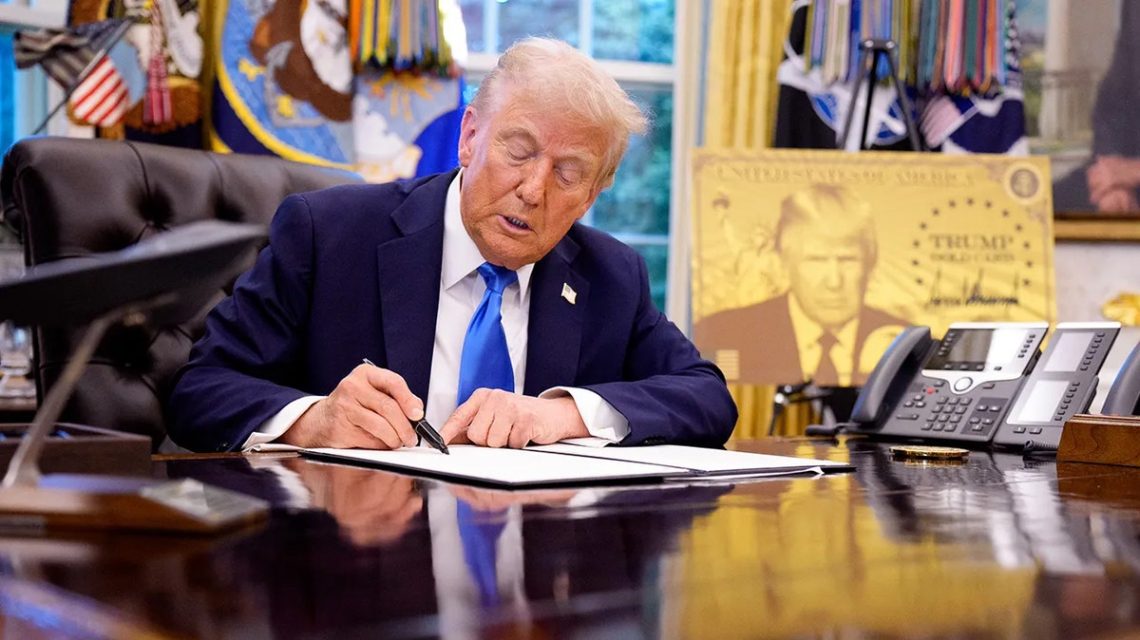
In a recent “60 Minutes” interview, President Donald Trump expressed interest in negotiating with Democrats on a deal that might offer legal status to select illegal immigrants. This proposal follows significant Republican losses in the midterm elections. However, Trump has explicitly stated that he does not support amnesty to resolve immigration issues.
Rule of Law Perspectives
Steven Camarota, research director at the Center for Immigration Studies, questions the fairness of rewarding those who have broken immigration laws. He emphasizes that this could undermine the system for those who have adhered to legal pathways.
Conversely, Laura Collins of the George W. Bush Presidential Center suggests that the root problem lies in immigration laws that fail to align with labor market demands. She believes in creating a system where illegal immigrants could contribute to the economy and rectify their status.
Impact on Assimilation
Camarota warns about overloading the assimilation process. He cautions that allowing large numbers might hinder integration, such as learning English or engaging with diverse communities.
Collins counters that current immigrants assimilate similarly to past generations, supported by her citation of a book titled “Streets of Gold.” She argues that legal work opportunities can foster faster assimilation.
Economic Considerations
Camarota highlights the economic implications, stating that households led by illegal immigrants receive significant government benefits, such as Medicaid and free lunches for their children. He points out the education gap, noting that many illegal immigrants have limited schooling, affecting their tax contributions.
Collins references a 2013 Congressional Budget Office report that suggested legalizing immigrants could increase federal revenues and reduce deficits. She believes legal status could allow immigrants to pursue careers matching their skills, resulting in higher earnings and potential tax contributions.
Political and Social Factors
Mark Krikorian of the Center for Immigration Studies perceives an amnesty deal as unlikely due to insufficient Republican leverage and Democratic reluctance to agree on immigration restrictions.
The possibility of using DACA recipients for negotiation remains contentious. Krikorian warns that granting green cards to DACA recipients might enable them to sponsor relatives, further complicating immigration dynamics.
Despite the differences, Trump’s administration affirms a commitment to maintaining strong border security and effective immigration enforcement.
 Mayor Mamdani’s Policing Reform Plans
 Gen Z Voter Shifts and Their Impact on the 2026 Midterm Elections
 Disappearance of US Senate Candidate Raises Questions
 DOJ Rule Change Reduces Appeal Time for Immigrants Facing Deportation
 Hakeem Jeffries’ Bid for House Speaker Faces Progressive Hurdles
 Ohio Judge Dismisses Defamation Lawsuit by Rep. Max Miller