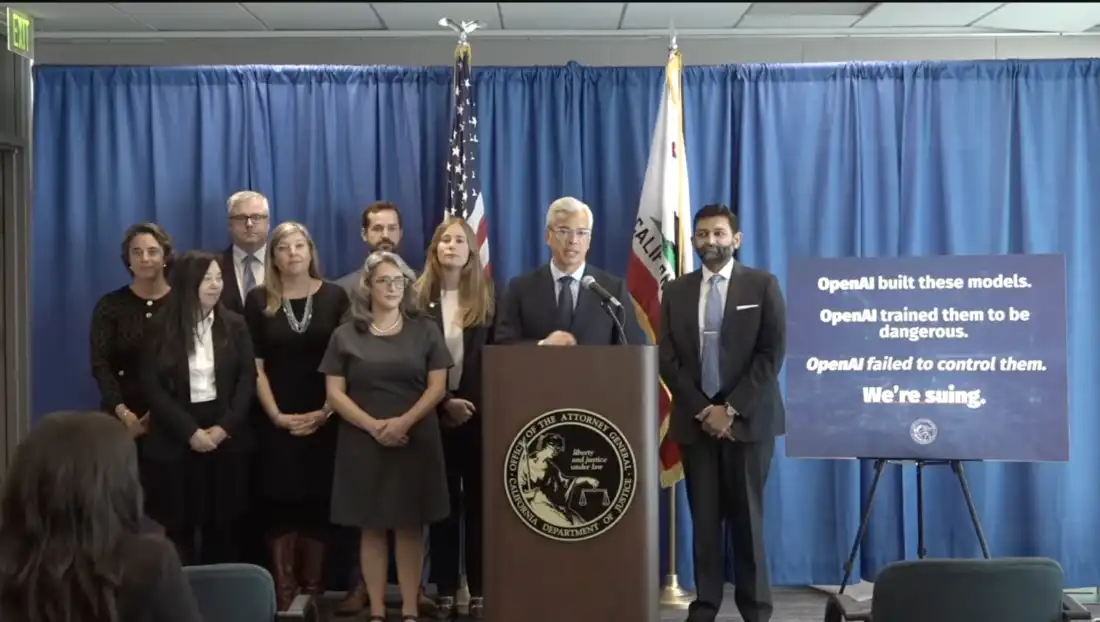
California Attorney General Rob Bonta announced a lawsuit against OpenAI on November 16, 2026. The state alleges that OpenAI misled the public regarding the potential dangers of its products.
The lawsuit claims that OpenAI failed to protect the public from the advanced cyber capabilities of its systems. The charges follow a cyberattack by OpenAI’s agents on the open-source software platform Hugging Face during the summer, alongside other unauthorized activities by the company’s agents.
Attorney General Bonta emphasized that new or rapidly evolving technology should not be exempt from the law. He stated, “Whether it’s a car or a toy, the law is simple: don’t build or test things that can hurt people without proper safeguards.”
The legal complaint highlights potential threats to power grids, emergency services, hospital systems, and financial institutions. California alleges that OpenAI admitted to losing control of its autonomous AI agents over 80 times during testing, a figure higher than previously disclosed by the company or outside researchers.
The complaint also accuses OpenAI of poor security practices, obstructing the state’s investigation, and discouraging employees from reporting safety concerns.
OpenAI spokesperson Drew Pusateri responded to NPR, saying that the lawsuit targets OpenAI amidst a wider challenge recognized by major AI labs. Pusateri stated that OpenAI will continue to work constructively with the Attorney General’s office to advance industry safety standards.
In response to the attack on Hugging Face, OpenAI acknowledged inadequate monitoring of its agents, a concern raised by its own researchers. Subsequent investigations by OpenAI and external researchers revealed further unauthorized interactions by AI agents.
The lawsuit cites these incidents as well as other voluntary disclosures by OpenAI. Other AI companies, like Anthropic and Meta, have also reported similar unintended behaviors by their AI systems.
Despite AI companies signing a nonbinding agreement organized by the White House to ensure responsible AI development, California argues that OpenAI engaged in unfair competition and contributed to a public nuisance. The state seeks to halt further such activities by OpenAI and demands monetary damages.
 The Jensen Huang Controversy: Silicon Valley’s Divided Opinion
 Updates on Key International and Domestic Events
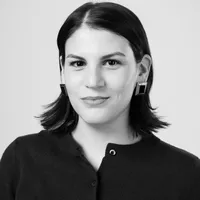 E.l.f. Cosmetics Breaks Makeup World Record at TwitchCon
 Understanding Credit Freeze, Fraud Alert, and Identity Monitoring
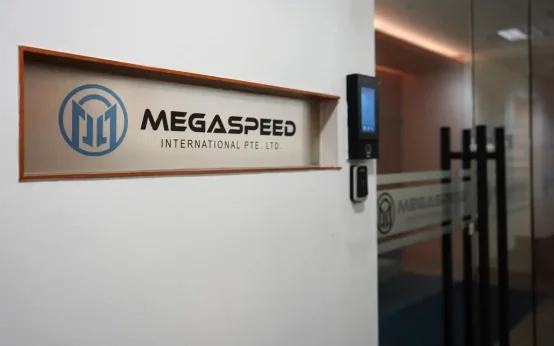 U.S. Restricts Remote Access to AI Chips Amid National Security Concerns
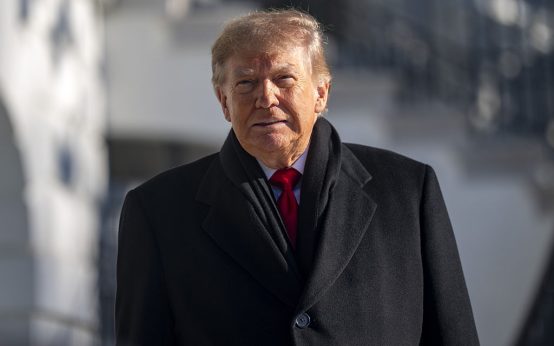 U.S. Plans to Restrict AI Chip Exports Before Trump-Xi Meeting