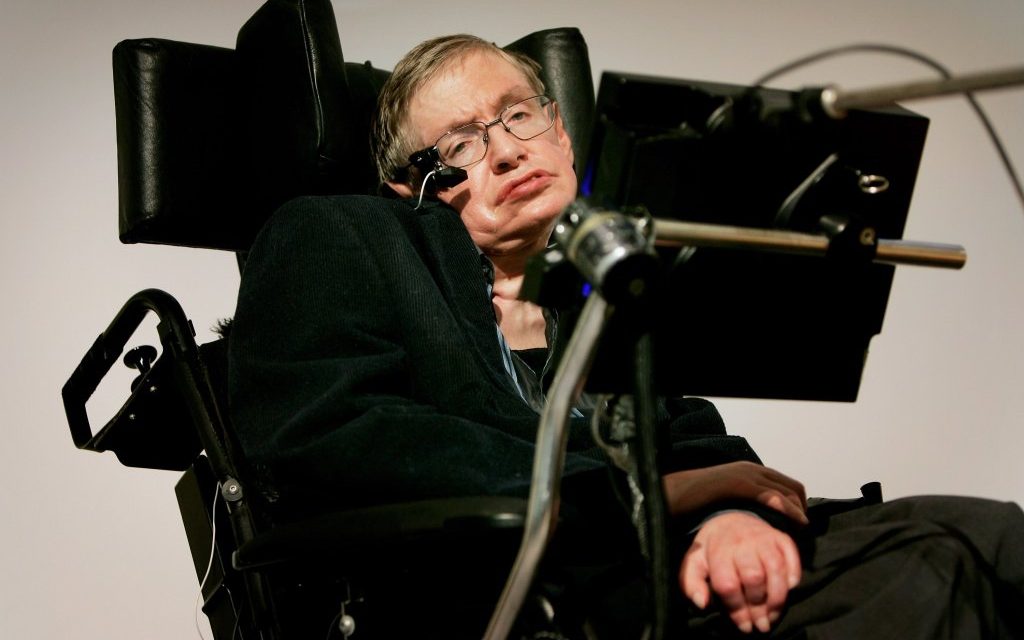
On Christmas morning in 1989, Stephen Hawking left his family to be with another woman, an event his daughter Lucy found brutal and never forgot. This moment is one among many revealing anecdotes in Graham Farmelo’s biography, Hawking: His Life and Work. The biography presents a detailed view of Hawking, highlighting both his scientific brilliance and complex personal traits.
Hawking, renowned for his work on black holes, lived with ALS for decades, using a wheelchair and losing his ability to speak. Despite these challenges, his interest in women remained strong. He frequented strip clubs and even participated in events featuring dancers at his 60th birthday. Hawking often joked about scientific discoveries, comparing them humorously to lasting longer than sex.
In 2012, reports surfaced of Hawking visiting a California swingers club, which Cambridge University said were exaggerated. He also attended a 2006 conference organized by Lawrence Krauss, co-sponsored by Jeffrey Epstein. Hawking once took a submarine trip with assistance on Epstein’s island, an event recalled in Epstein’s 2017 text messages. No evidence suggested Hawking’s involvement in unlawful activities suggested by unsealed emails in 2024.
Hawking’s personal life included two marriages marked by challenges. After his ALS diagnosis, he married Jane Wilde, with whom he had three children. Jane cared for Hawking as his needs increased, likening him to Shakespeare’s King Lear in terms of ego. Their marriage struggled, especially as Jane grew close to Jonathan Hellyer Jones. Accusations of infidelity surrounded Timothy, their third child, which Hawking’s mother, Isobel, questioned extensively.
Hawking’s affair with nurse Elaine Mason led to his marriage with her in 1995. Concerns later arose about domestic violence, leading to police investigations, though no charges were filed. Elaine denied abuse allegations, and the couple divorced in 2007. Hawking’s relationship with his family was often strained, with various relatives noting changes in his demeanor over time.
Professionally, Hawking faced criticism for his authoritarian approach. In the 1990s, he attempted to have a student expelled over a theoretical dispute, a decision Farmelo describes as extreme. Hawking eventually conceded the point but only after years of contention.
Despite health challenges, Hawking’s determination to explore persisted. In 1985, he insisted on traveling to China despite health risks. He visited the Great Wall in 2006, thanks to modifications facilitating his wheelchair access.
Hawking passed away in March 2018 at 76, far outliving doctors’ predictions after his ALS diagnosis. Kip Thorne, a close friend, once remarked that Hawking, despite appearing helpless, was among the least helpless people he knew, highlighting Hawking’s control over his life and decisions.
 Immersion in French Culture at Ascension Catholic School
 Old MacDonald’s Farm in Humble, Texas, Closing After 34 Years
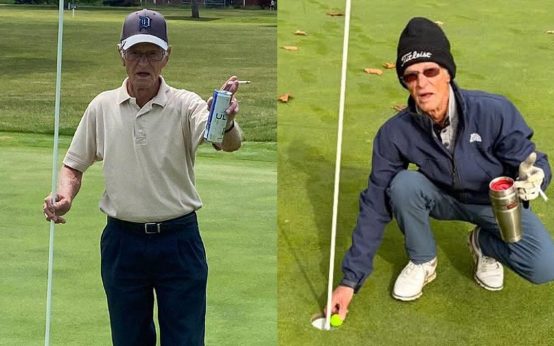 Lee McFarlane’s Remarkable Hole-in-One Journey Continues
 Advice for Concerned Grandparents
 Efforts to Counter Food Assistance Cutbacks in San Diego
 A Personal Journey Through Encephalitis