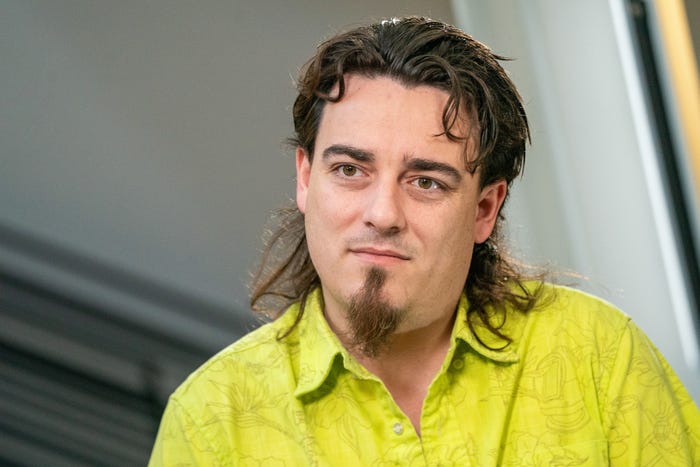
Palmer Luckey, cofounder of Anduril, has proposed an ambitious plan to create a seastead for American industry. This offshore structure, referred to as “SLAB,” is intended to operate free from mainland US laws, allowing critical industries to thrive without restrictions. Luckey shared this vision in a post on X, detailing how this floating industrial base could support sectors like oil refining, chemical engineering, and medical research.
Luckey emphasized that the main goal is to offer a more cost-effective alternative to US land while avoiding regulatory hurdles. He believes that SLAB would strengthen American industry and serve as a solution to outdated rules and regulations. The plan is funded in part by the profits he made from selling his virtual reality company, Oculus, to Facebook for $2 billion in 2014. Additionally, other unnamed investors contributed to the project’s $1 billion valuation.
Luckey is known for challenging traditional systems and aims to reinforce the US’s military and technological dominance. His company, Anduril, is a defense tech startup specializing in advanced software and combat technology. It recently secured a valuation of about $61 billion during a funding round.
This seastead initiative is not Luckey’s first venture outside of Anduril. He has also established a retro-gaming hardware company named ModRetro, a digital bank called Erebor, and recently announced a dog-breeding and cloning business, Warhound.
Luckey’s concept of regulation-free seasteads is not entirely new. In 2008, billionaire Peter Thiel invested in The Seasteading Institute, which focused on hosting floating startup communities with political autonomy. However, Thiel eventually left the board, indicating that the concept was not practical.