The specter of dirty bombs looms despite no successful detonation in terrorist attacks so far. Recent reports suggest Iran’s interest in such weapons, highlighting long-standing concerns. Experts emphasize potential disruptions beyond just explosions.
A dirty bomb spreads radioactive materials through an explosive force. Unlike atomic bombs, dirty bombs aim to spread contamination over a wide area. Jason Pack, a retired FBI agent, underscores that these are not nuclear weapons.
“Radiation sounds scary, but dirty bombs and nuclear weapons differ greatly,” Pack explains.
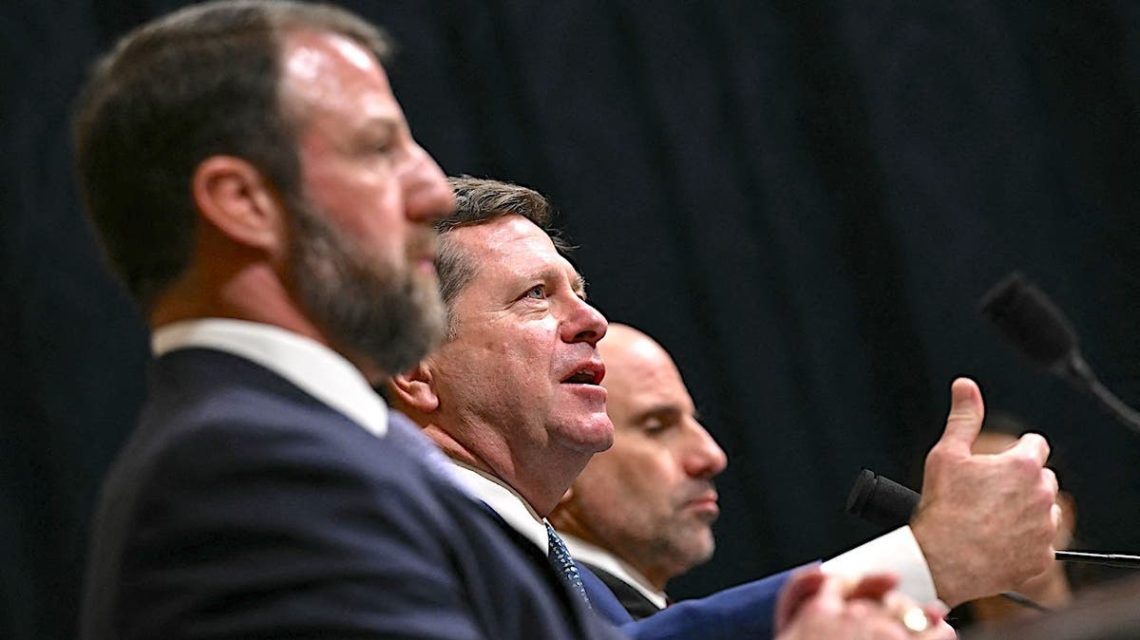
Dirty bombs utilize conventional blasts to disperse radioactive dust. Secretary Markwayne Mullin and other officials discussed these threats in a Congressional hearing. The immediate danger lies in the blast, but the aftermath can cause fear and disruption.
These bombs may not kill thousands but can terrorize millions, disrupting city life and displacing communities. However, building one is risky for bomb makers, who expose themselves to radiation. Ensuring effective dispersal of contaminants is also complex.
Potential radioactive materials for dirty bombs are widely available. Paul Mauro notes these can include medical waste from cancer treatments. This waste remains accessible without nuclear capabilities. The CDC warns that the most significant threat from a dirty bomb is its initial explosion. Yet, inhalation of radioactive material poses long-term health risks.
Although likely not enough to cause immediate serious illness except near the explosion, radiation spread can lead to serious health concerns. Police can detect radiation, suggesting an alert system is in place.
Reports indicate Iran examined possible plans involving radiological or chemical devices against Washington officials. Such concerns resonate with the history of potential threats since 9/11. The possibility of smuggling nuclear materials into the U.S. has prompted extensive preventive measures.
Past incidents, like a failed attack in Moscow, show terrorist interest in using such weapons. Efforts continue to monitor and locate radioactive materials.
Now, fingers point at Iran and Hezbollah as potential threats. Effective prevention often means halting plans before bombs reach the streets, states Pack.
Radiation emits no smell or taste. In a suspected attack, cover your mouth, seek shelter, and wash thoroughly if exposed. Stay updated through media to know when it’s safe outdoors again.
“We can clean up dispersed materials, albeit at a significant cost,” Mauro adds.