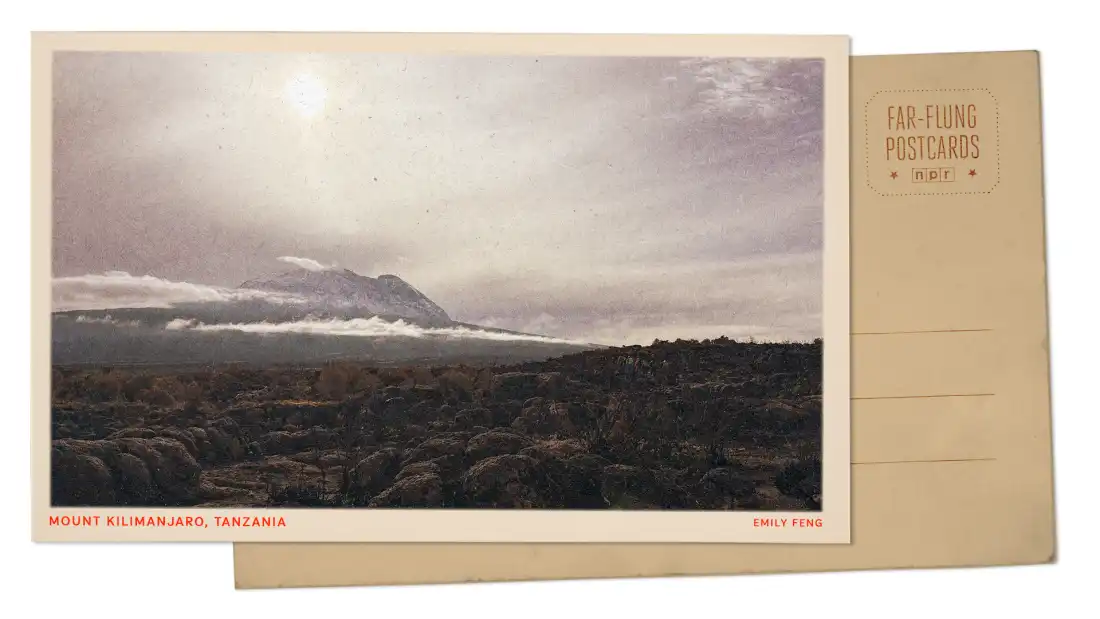
As dawn broke over the camp, the peak of Mount Kilimanjaro became visible for one of the first times, usually obscured by clouds. Climbing a towering mountain like Kilimanjaro presents a striking contrast. During the day, the equatorial sun scorches as you hike, while nights quickly sink below freezing temperatures.
The presence of snow is constant, visible from humid rainforest and alpine terrain, recently scorched by a wildfire weeks before. Always in view is the peak, yet it seems unreachable. The high altitude demands a slow pace to avoid exhaustion and altitude sickness.
Friends and I spent several days camping at high elevations to acclimatize. On the second-to-last evening, we set out for the summit. Under the stars, we navigated through deep snow, climbed a massive volcanic crater rim, and leaned into blizzard conditions to reach the top by morning.
At the peak, surrounded by snow and ice, I was struck by the absence of life and color, intensified by the low oxygen. Days later, as we prepared to leave and return home, I looked back at the mountain. For a moment, in the twilight, the clouds parted, revealing the mountain before hiding it once again in the evening darkness, retaining its elusive nature.
 Cruise Industry Sees Record-Breaking Growth Despite Health Concerns
 Exploring the Benefits of Red Light Therapy for Skin Care
 Thrift Store Painting Fetches Thousands at Auction
 Golfer Faces Unexpected Encounter With Real Snake
 North Carolina Restaurant Abolishes Tipping
 Chick-fil-A Unveils Holiday Menu and Surprises for 2026