
RaDonda Vaught faced her first speaking request a year after receiving a guilty verdict for negligent homicide and neglect in a Nashville courtroom. The jury found her guilty in 2022 for a medication error that occurred in 2017 at Vanderbilt University Medical Center, leading to a patient’s death. She received three years of probation and the loss of her nursing license.
Since then, Vaught has become a full-time farmer alongside her husband on a small sheep farm in Bethpage, Tennessee. They sell eggs and supply meat locally. While on probation, she began receiving speaking invitations from medical audiences interested in her story.
“The opportunities just kept presenting themselves,” Vaught said about the speaking requests. She noted the tension between sharing her story and the tragedy that initiated it.
Vaught’s story resonated within the healthcare industry, drawing interest and criticism. Some hailed her transparency, while others, like retired nurse Gary Wood, expressed concerns that her mistake reflected poorly on the profession.
Her speeches aim to spark dialogue about the role of automation and artificial intelligence in healthcare and the systemic issues contributing to errors like hers. She discusses multiple factors that led to the medication error that ended in tragedy, including hospital protocol and technological upgrades.
During her trial, evidence showed that she typed “VE” into the system to obtain Versed, but ended up with vecuronium, a paralytic, after overriding protocols. This resulted in the death of Charlene Murphey. Despite admitting to the error, Vaught pled not guilty, attributing some fault to Vanderbilt’s system upgrades and failures to report the incident properly.
The fallout from this case prompted conversations about healthcare’s forgiving nature for honest mistakes. Kentucky’s legislature even enacted a law offering immunity for on-the-job errors, prompted by Vaught’s situation. This legislative change received unanimous support.
Beyond legislative actions, drug-dispensing cabinet manufacturers like Omnicell and BD have updated systems to require more specific entries to reduce medication errors. Hospitals also tightened their drug administration protocols, enhancing patient safety measures.
Matthew Garvey, a nursing consultant who attended school with Vaught, expressed intentions to support nurses caught in similar legal predicaments. He acknowledges the need for accountability but also recognizes the importance of sharing defendant perspectives, which are typically suppressed during legal processes.
Vaught’s experience and subsequent public speaking have encouraged dialogue on healthcare accountability and system improvements. Her insights are viewed as important contributions to understanding and mitigating risks, ensuring better outcomes for all involved.
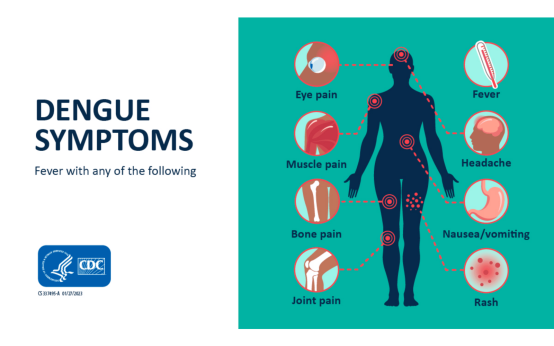 Dengue Fever Surge in U.S.: Florida’s Record Outbreak and Rising Cases Nationwide
  Tick Crisis on Martha’s Vineyard: A Growing Health Threat
  Reflections on Dementia, Ant Warfare, and College Affordability
 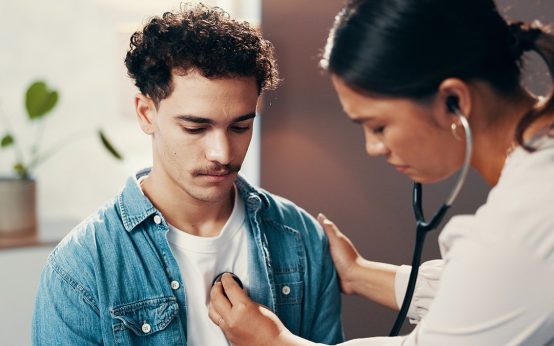 Early Detection of Atherosclerosis and Heart Disease Prevention
  Church Attendance Linked to Increased Sexual Satisfaction for Married Couples
  Dining with Loved Ones May Benefit Blood Sugar Levels