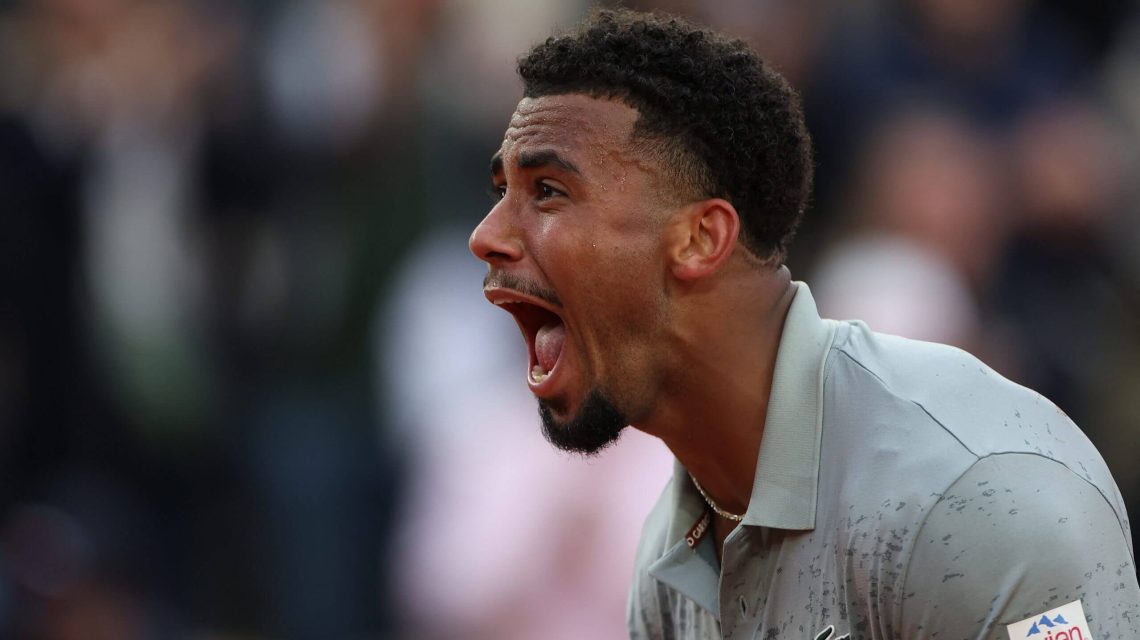
The 2026 French Open presents several intriguing narratives as it unfolds. Tennis enthusiasts will witness how ATP Tour challengers tackle their tasks and question whether a WTA Big Four can still emerge. Additionally, the ongoing debate over Grand Slam prize money and the role of line judges continues to be of interest. Let’s delve into some key storylines for the tournament, as highlighted by The Athletic’s tennis writers, Ava Wallace, Matt Futterman, and Charlie Eccleshare.
Men’s ATP Tour: Rising to the Challenge
Félix Auger-Aliassime, currently the world No. 5 and the fourth seed for 2026, faces scrutiny due to his inconsistent performance. Despite his ranking, Auger-Aliassime has never progressed past the French Open quarterfinals and has exited in the first round on four of his six visits. His recent form places doubt on his potential to advance to the semi-finals, where he would theoretically meet Jannik Sinner. Auger-Aliassime’s struggles are mirrored by other players such as Alex de Minaur, Taylor Fritz, and Ben Shelton, who are also dealing with form issues and injuries.
On the other hand, seasoned contenders like Casper Ruud and Daniil Medvedev show promise. Both performed well at the recent Italian Open, indicating their potential to make significant runs at Roland Garros. Their performances against world No. 1 Jannik Sinner provide a glimpse of competitiveness within the men’s tour despite recent stagnation.
WTA Tour: A Possible Shift in Power Dynamics
The top women’s players include Aryna Sabalenka (world No. 1), Elena Rybakina (world No. 2), Iga Świątek (world No. 3), and Coco Gauff (world No. 4). Each faces the challenge of maintaining their position amid varying fitness levels and competitive pressures. Sabalenka consistently reaches finals, Rybakina is a standout this year, Świątek has a formidable clay-court record, and Gauff is the defending champion.
The tournament may solidify or disrupt the current hierarchy depending on their performances. Players like Mirra Andreeva and Amanda Anisimova offer unpredictable elements to the competition. However, the main focus remains on the dominant quartet, who collectively secured 14 of the last 18 Grand Slam titles since 2021.
Weather Impact: Adapting to Paris Climate
Weather plays a significant role at the French Open, with temperatures expected to soar to 90 degrees early in the tournament. Such conditions influence play, affecting ball speed and bounce. Players must adapt to the swift changes in climate, as hot days favor certain play styles, altering match dynamics.
As the climate shifts after the opening weekend, players’ conditioning and adaptability become crucial, especially in lengthy matches. The Paris weather presents both a challenge and an opportunity for competitors.
Prize-Money Debate: Seeking Fair Compensation
The prize-money dispute remains contentious, with top players pressing for better compensation for lower-ranked competitors. The French Open singles champions will receive substantial payouts, highlighting the disparity within the sport.
A move to limit media availability aims to highlight these compensation issues. Discussions with Grand Slam federations about player compensation and representation are underway, with some players contemplating more drastic actions, like boycotts. As the dialogue continues, players are demanding a fairer distribution proportional to the continuously rising tournament revenues.
Retaining Line Judges: A Unique Tradition
The French Open stands alone among Grand Slams by retaining human line judges. While the technology is used elsewhere, the tournament’s traditional approach generates dialogue around accuracy, job opportunities, and player preferences. Players adjust to toggling between technological reliance and human judgment, which shapes their match experiences.
Crowd Management: Addressing Popularity Challenges
With anticipated large crowds due to favorable weather, managing attendance at Roland Garros becomes essential. Though high attendance figures reflect tennis’s popularity, they also strain facilities, impacting the spectator experience. Innovations such as occupancy screens for outside courts are implemented to enhance visitor experience, warranting ongoing attention to spectator management.
The 2026 French Open promises engaging developments across its duration, inviting fans to immerse in its unfolding dramas.
 Steelers Trade Joey Porter Jr. to Cowboys Amid Critical Week
  New York Knicks Face Contract Challenge with Karl-Anthony Towns
  Washington Commanders’ Terry McLaurin Questionable for London Game
 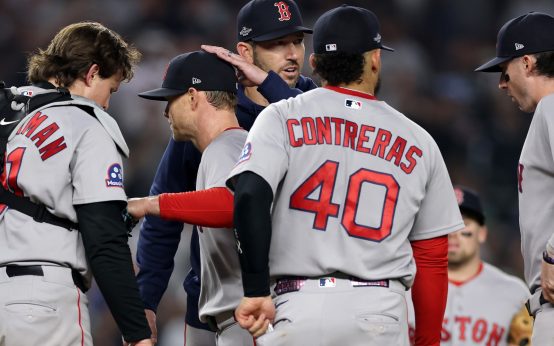 Chad Tracy’s Decision to Remove Sonny Gray Raises Questions
 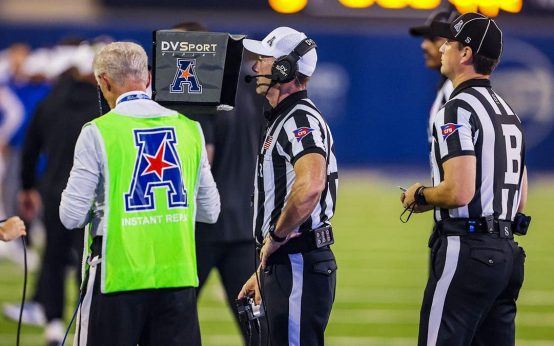 Friday Nightcaps Brings Sports Highlights and Controversies
  NFL Fines and Suspends 49ers Owner Jed York Due to Conduct Policy Violation