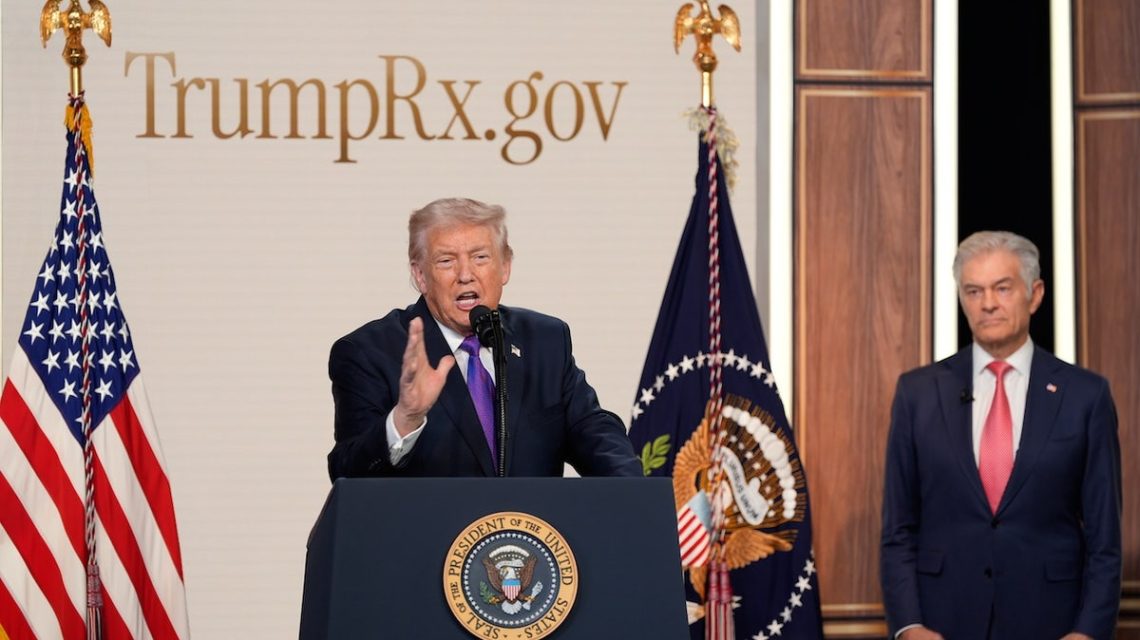
Americans are well aware of the problems plaguing the healthcare system. Rising premiums and deductibles, along with mysterious medical bills, highlight a system shrouded in secrecy. On May 18, President Donald Trump initiated efforts to address drug pricing with TrumpRX, a platform similar to Airbnb or Priceline.com, aimed at allowing Americans to access affordable medications. The next target should be hospitals and insurance companies.
The healthcare industry stands out as one of the most expensive and obscure sectors in the U.S. economy. Hidden costs, unclear billing practices, and multiple intermediaries burden taxpayers and families with significant financial strain due to fraud and inefficiency.
The good news is that the Trump administration possesses the authority to bring relief to Americans. What remains is strong enforcement of transparency measures.
Potential Steps for Immediate Impact
President Trump’s ‘Great Healthcare Plan’ emphasizes reducing costs, prompting Congress to act. During a speech in 2026, Trump discussed TrumpRx with Dr. Mehmet Oz at the White House, highlighting a crucial healthcare initiative.
1. Price Transparency for Patients
Patients must have clear price information before receiving care to combat fraud and high costs. The current system reveals actual costs only after treatment, leaving patients unable to compare or contest charges. The No Surprises Act, introduced under Trump’s administration, attempted to address this issue by requiring an Advanced Explanation of Benefits (AEOB) before scheduled care. However, this initiative hasn’t been fully implemented.
Full implementation would enhance accountability by enabling price comparisons and helping detect inflated charges. Just like any other major purchase, healthcare should provide upfront pricing.
2. Reforming Federal Employee Health Programs
The Federal Employees Health Benefits Program is a leading healthcare purchaser, yet transparency is lacking. The Office of Personnel Management should utilize its existing authority to demand standardized claims and pricing data, conduct audits, and verify eligibility.
Audits can uncover duplicate billing and improper payments, while eligibility checks can prevent taxpayer money from supporting fraudulent enrollments. Enhanced oversight could save billions without altering benefits or enacting new legislation.
3. Employer Health Plan Transparency
Most Americans receive health coverage through employer-sponsored plans; however, many employers lack access to critical data needed to identify fraud and control expenses. This needs to change.
The Department of Labor is taking steps to implement stronger disclosure requirements for Pharmacy Benefit Managers. These requirements should extend to third-party administrators and insurers as well.
Employers need direct access to all claims, payment records, and fee structures. With transparency, employers can negotiate better healthcare values for employees and businesses.
Enforcement, Not Policy, Is Key
Tools for transparency exist, but they require proper enforcement. Without it, transparency rules are ineffective. Federal regulations demand transparency from hospitals and insurers, yet compliance remains inconsistent.
Americans demand accountability, desiring transparency in healthcare spending. This issue transcends ideology; it’s about understanding financial flows. The laws are ready—enforcement must follow. Prioritizing enforcement of transparency will empower Americans, making healthcare more affordable.
 Early Detection of Atherosclerosis and Heart Disease Prevention
  Church Attendance Linked to Increased Sexual Satisfaction for Married Couples
  Dining with Loved Ones May Benefit Blood Sugar Levels
  Urgent Need for Action in East Africa’s Food Crisis
  Facing Terminal Illness: Embracing Life’s Moments
  Eating with Partners May Impact Blood Sugar Regulation