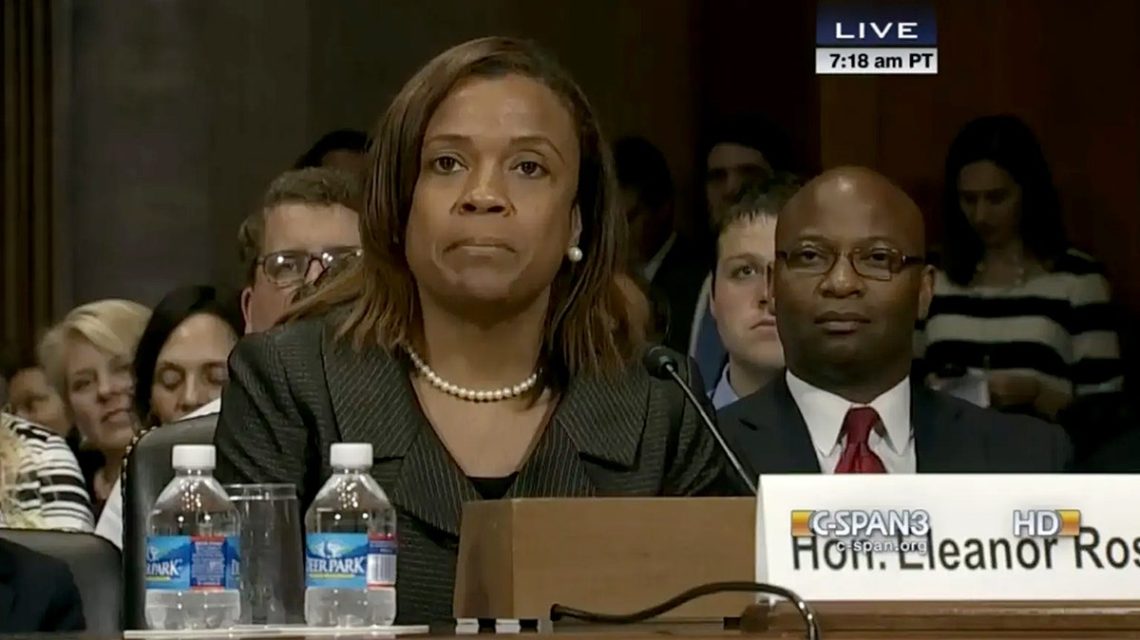
Judge Attends Partisan Political Event
U.S. Assistant Attorney General for Civil Rights Harmeet Dhillon filed a motion on Friday. This motion seeks the recusal of Atlanta U.S. District Judge Eleanor Ross from an election-integrity case. Ross attended a partisan Democrat fundraiser linked to Fulton County District Attorney Fani Willis. Her attendance raises questions about her impartiality.
Extramarital Affairs and Legal Misconduct
Beyond political events, Ross’s legal troubles involve personal misconduct. She maintained extramarital sexual relations with Atlanta Deputy Police Chief Kelley Collier in her chambers. These activities occurred during work hours and were overheard by her staff. When confronted, Ross lied about the affairs. She also retaliated against staff members who reported her behavior.
Her past actions received a private reprimand from the federal judiciary. Critics deem this lenient. Calls for her resignation, impeachment, and criminal prosecution abound.
Impact on Court Matters
The Atlanta Police Department has cases before Ross’s court. Collier, involved with Ross, leads the Community Services Division. He has a nearly 30-year career and is married. The Eleventh Circuit Judicial Council noted it was by chance Ross did not preside over cases involving Collier’s division. Concerns remain about potential conflicts of interest.
During Ross’s tenure, her clerks were aware of her misconduct. A former clerk reported the affair to authorities. The relationship, spanning from 2023 to 2025, took place near young lawyers she was supposed to mentor.
Political Connections and Legal Failings
Ross, appointed by former President Obama, attended a political event for Willis. Willis was behind a controversial indictment against President Trump and others. She was later disqualified due to her own inappropriate workplace relationship.
Critics argue Ross’s attendance at such events violated ethical canons. These actions further diminished her perceived integrity.
Judicial and Legislative Responses
Chief Judge William Pryor confronted Ross about these allegations. Ross denied wrongdoing, calling the charges “outrageous.” Her false statements to Pryor constitute deception from a judge. Such behavior would lead to severe consequences for a lawyer.
Despite this, the Judicial Council treated Ross leniently. Transparency concerns exist, as the reprimand remains private. Advocates argue for public awareness of judiciary misconduct.
Efforts continue to establish an independent inspector general for the judiciary. Calls for Ross’s resignation remain strong. Some advocate for her impeachment and criminal investigation.
Senator Ossoff’s Silence
Georgia’s U.S. Senator Jon Ossoff has not publicly addressed Ross’s misconduct. Ross’s actions have affected her court in Ossoff’s home state. The lack of public comment from Ossoff raises questions among constituents.
Conclusion
The case of Judge Eleanor Ross poses critical ethical and legal questions for the judiciary. Calls for accountability and transparency resonate. The Justice Department’s role in investigating false statements remains vital. Reactions from lawmakers like Senator Ossoff will shape future discussions.
 State Department Simplifies Passport Process with Online Applications
 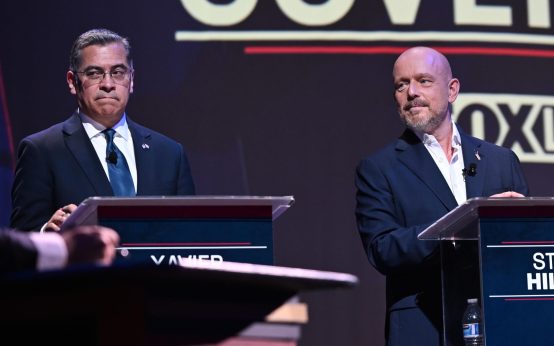 Becerra and Hilton Clash in California Gubernatorial Debate
  California Voters to Decide on $7.5 Billion State Research Fund
 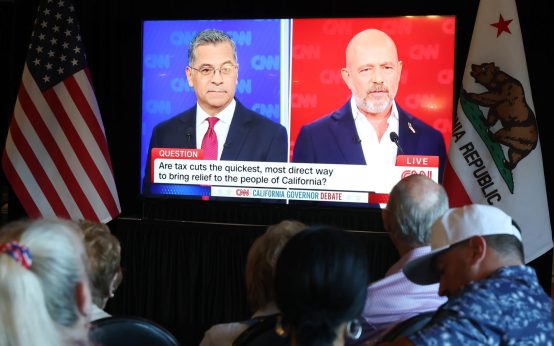 Highlights from the California Gubernatorial Debate: Becerra vs. Hilton
  Becerra vs. Hilton: The Debate and Key Issues in the California Governor Race
  Senate Confirms New Labor Secretary