As June 2026 approaches, the persistent use of masks in public spaces by many individuals remains evident across social media and society. A notable post on the platform X drew significant attention when a man claimed he wore a mask at the British Museum in London to stay healthy and maintain cognitive abilities. His stance illustrates ongoing debates about the effectiveness and necessity of masks in public.
This continued inclination toward masking isn’t solely a result of misguided beliefs or political alignment. Instead, it stems from a consistent push by media, politicians, and research, particularly from the Centers for Disease Control and Prevention (CDC). Three researchers, Vinay Prasad and Tracey Beth Hoeg among them, highlighted this trend by analyzing the CDC’s Morbidity and Mortality Weekly Report (MMWR). They assessed the characteristics and quality of mask-related studies from 1978 to 2023.
All 77 studies that met their inclusion criteria were conducted after 2019, with 97.4% originating from the United States. A significant portion of these studies—nearly 30%—lacked a comparative group, which raises questions about their robustness. Observational studies were prevalent, accounting for 28.6%, and none of the studies were randomized, indicating low-quality research methods.
Despite these limitations, 75.3% of the studies in the CDC’s publications claimed masks were effective in preventing COVID-19 spread. This figure was incongruent with the actual testing for mask effectiveness, which only attempted in 30% of the studies. Moreover, only 14.3% of studies had statistically significant results.
The use of causal language in 71% of the studies misled readers into believing masks reduced COVID-19 transmission. Yet, zero studies cited randomized data, and many carried conclusions unsupported by the evidence. The MMWR played a critical role in shaping public health policies and mask mandates across the U.S., despite relying on questionable research.
Such practices contributed to diminishing trust in scientific research and public health recommendations. The misuse of MMWR studies to advocate mask effectiveness was evident in statements by CDC officials that lacked scientific backing. This led to widespread mask mandates, even affecting children as young as two.
The overall narrative exacerbated by media coverage aligned with certain ideological and political beliefs. Parents were influenced by unsupported research and media reports to mask their children, resulting in lasting fear and misconceptions.
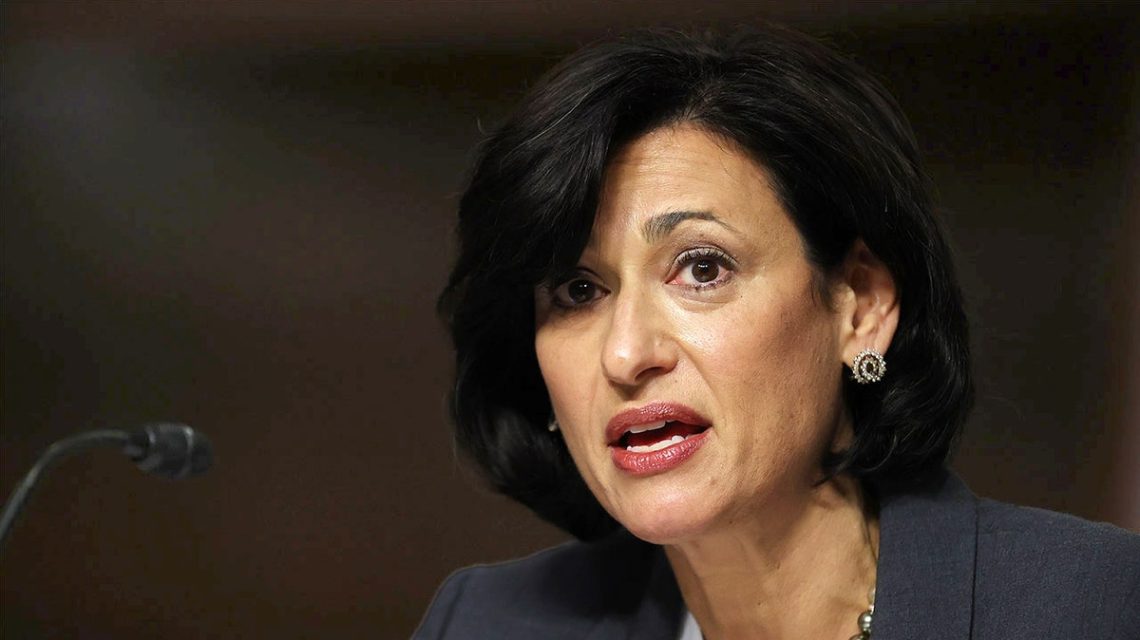
The improper utilization of research and public statements, like those from Rochelle Walensky regarding mask efficiency, is a reminder of the need for scientific rigor and transparency. The CDC’s reliance on low-quality research has resulted in a loss of public trust, highlighting the dangers of basing policy on flawed evidence.
 Tommy John: A Baseball Legacy and Medical Breakthrough
  Innovative Solar-Powered Ambulance: Stella Juva
  Novo Nordisk Unveils Weekly Insulin Dose for Type 2 Diabetes
  New Childhood Vaccine Schedule Sparks Controversy
  Gracie Hunt Discusses Fitness, Faith, and Her Future
  Understanding the Cyclospora Outbreak and Its Connection to Sewage Contamination