The 2026 midterm elections in the United States featured significant developments, particularly in the Senate and Governor races across various states. Democrats and Republicans closely contested these elections, with outcomes affecting the control of Congress and indicating potential shifts in U.S. politics.
Results and Projections
NBC News projected several re-elections and victories:
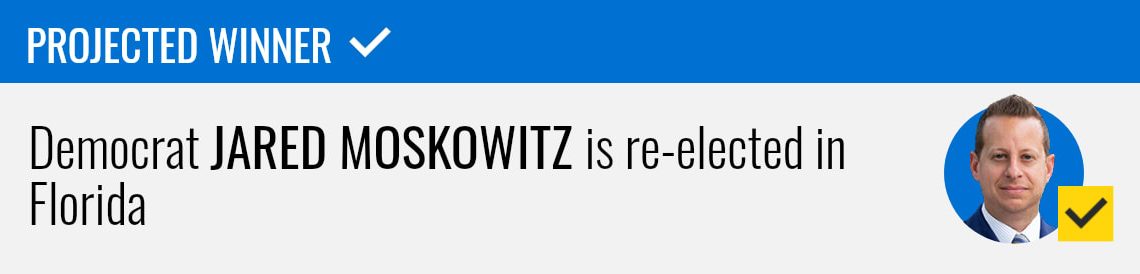
- Democrat Jared Moskowitz secured re-election in Florida’s 25th Congressional District, defeating Republican Scott Singer.
- Democratic Rep. Chris Coons won re-election in Delaware’s Senate race against Republican Mike Katz.
- Democrat JB Pritzker was re-elected as Governor of Illinois, winning against Republican Darren Bailey in a rematch.
- Wes Moore, Democrat Governor of Maryland, retained his position by defeating Republican Dan Cox.
- Juliana Stratton, Democrat, defeated Republican Don Tracy in the Illinois Senate race.
- Democrat Maura Healey triumphed over Republican Michael Minogue in the Massachusetts Governor’s race.
- Cory Booker and Ed Markey, both Democrats, won in their respective Senate races in New Jersey and Massachusetts.
- In Pennsylvania, Democrat Josh Shapiro retained his governorship, succeeding over Republican Stacy Garrity.
Exit Poll Insights
Exit polls indicated a grim outlook among voters regarding the U.S. economy and future prospects. Key findings include:
- 75% rated the U.S. economy as “not good” or “poor,” and 38% expressed anger about the state of the country.
- 57% predicted a worse future for the next generation of Americans.
- Dissatisfaction with Congress was highlighted by a 24% approval rating, with 71% saying it failed in its constitutional roles.
Pivotal Senate Races
Notable Senate race outcomes include:
- Jon Ossoff, incumbent Democrat, retained his seat in Georgia with robust support from Black and young voters, as well as women under 45.
- Angie Nixon performed strongly in early voting lead in Florida, though it remains to be seen if she can maintain this against GOP opponent Ashley Moody.
- New Hampshire’s Senate race leaned towards Democrat Chris Pappas, as per NBC News.
- South Carolina showed surprising competitiveness in its Senate race, traditionally a Republican stronghold.
Voter Sentiments
Voter sentiment was shaped by several factors:
- Economic Concerns: Inflation, high energy costs, and economic disparities were top issues influencing voter behavior.
- Immigration and Security: Trump’s immigration policies received mixed reviews, with many voters feeling enforcement had gone too far.
- Public Services: Healthcare, education, and infrastructure improvements were significant concerns.
Local Challenges and Turnout
Some regions experienced logistical challenges affecting voting:
- Technical issues with voting machines were reported in Westchester County, New York, causing delays.
- Flooding and adverse weather affected access to polling stations in parts of Florida.
- High voter turnout was noted in Dearborn, reflecting heightened engagement in communities with specific local issues.
- Georgia faced misinformation regarding polling locations, with some voters receiving incorrect location details via text messages.
The election night also marked significant shifts and insights into voter priorities, with overarching themes of economic distress and governance driving voter turnout and preferences.
 Virginia Residents Sue Over Alleged Immigration Violations
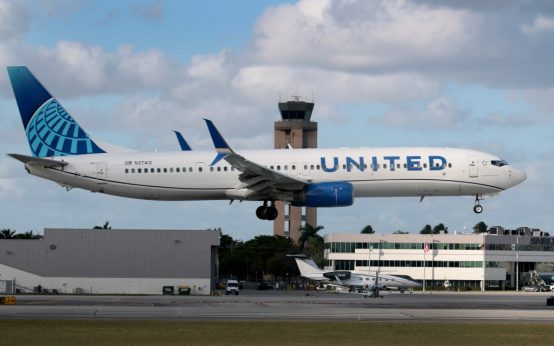 United Airlines Faces System Outage Amid Banking Disruptions
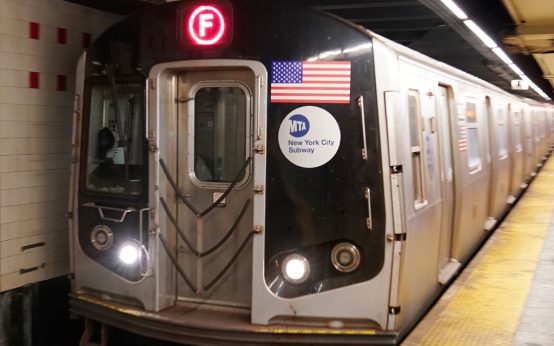 MTA Worker Attacked During Subway Dispute
 Home Invasion in California: Elderly Woman’s Struggle with Squatters
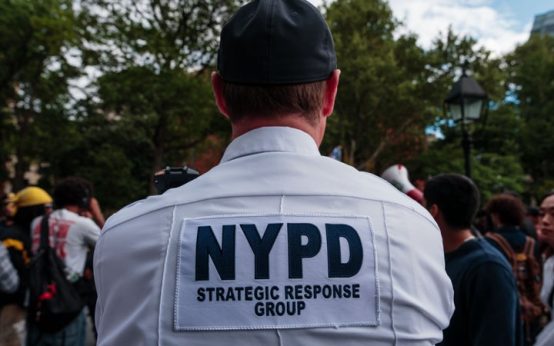 NYC Mayor Disbands Controversial Police Unit
 Travel Chaos and Innovation Amid FAA Ground Stop