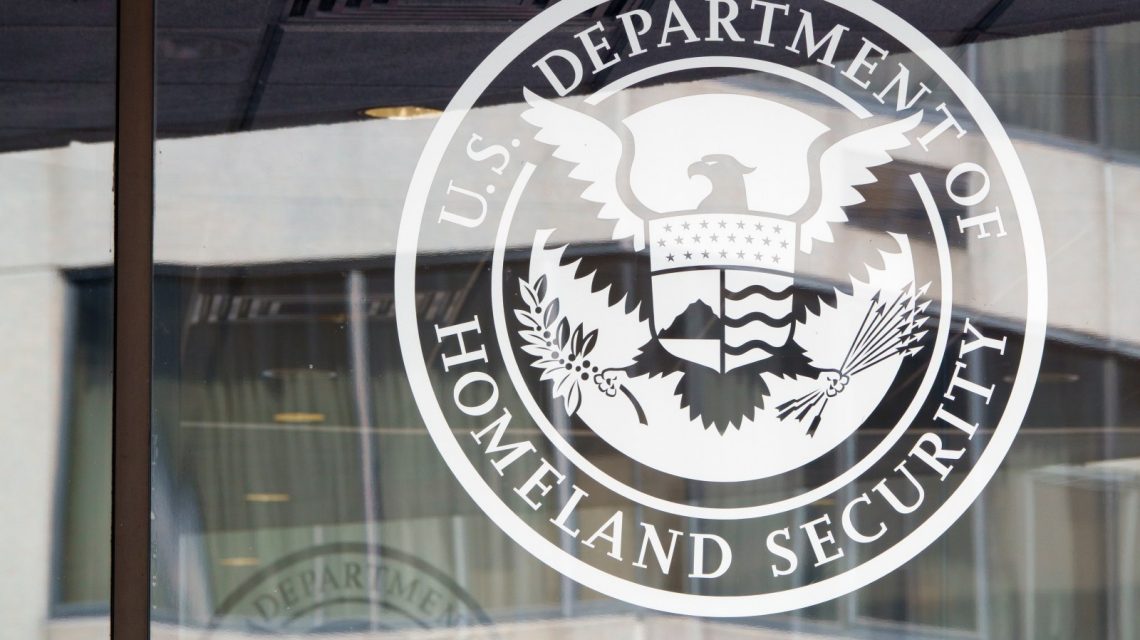
A coalition of 22 states and the District of Columbia has filed a lawsuit against the Trump administration. This legal action aims to challenge a new green card rule that may prevent some applicants from gaining permanent residency. States like New York, California, and Wisconsin have taken part, with the lawsuit coming just ahead of the Department of Homeland Security’s (DHS) impending rule change.
The Trump administration has introduced significant modifications to the immigration system. The stated goal is to curb fraud and strengthen vetting processes. However, advocates and critics warn these measures may result in more immigrants losing legal status, leading to potential deportation.
Hardworking families should not be forced to go without the support they need because they fear asking for assistance will get them deported,New York’s Democratic Attorney General Letitia James expressed in a press statement.This rule preys on that fear and counts on families forfeiting the food assistance, health care coverage, and other public benefits to which they are legally entitled.
In response, DHS criticized the lawsuit, regarding it as an attempt by involved states to defraud American taxpayers. A spokesperson expressed sarcasm about the so-called fear sanctuary states would have over losing federal funds if undocumented immigrants withdrew from welfare programs.
Understanding the New Green Card Policy
The rule, set for implementation, overturns a 2022 regulation defining “public charge” assessments. The new rule grants officers greater latitude to scrutinize an applicant’s financial situation and history of government assistance. These factors will influence decisions on issuing green cards.
Officers will now examine financial circumstances and past government resource use, potentially affecting future residency qualifications.
States Involved in the Lawsuit
The lawsuit predominantly includes Democrat-led states. These are:
- New York
- California
- Illinois
- Colorado
- Connecticut
- Delaware
- Hawaii
- Maine
- Maryland
- Massachusetts
- Michigan
- Minnesota
- New Jersey
- New Mexico
- Nevada
- Oregon
- Pennsylvania (through Governor Josh Shapiro)
- Rhode Island
- Vermont
- Virginia
- Washington
- Wisconsin
- District of Columbia
Reasons for the Lawsuit
Attorney General Letitia James, accompanied by others, announced that the lawsuit challenges DHS for potentially instilling fear among immigrants seeking needed assistance. States argue DHS is expanding public charge definitions without Congressional approval, impacting immigrants unfairly.
A primary concern is for mixed-status families, possibly containing noncitizen parents and American citizen children. If these children receive benefits, immigration officers might penalize the parents when they apply for green cards.
No family should have to choose between accessing healthcare and nutrition assistance today—or protecting their pathway to a green card tomorrow,said California Attorney General Rob Bonta, questioning the Trump Administration’s expanded public charge definition.
DHS’s Position
DHS anticipated the rule’s introduction could lead to a reduction in public-benefit payments by about $13 billion annually. This decline might occur as immigrants resist applying for benefits due to potential negative impacts on immigration status.
DHS recognized that decreased program participation, such as Medicaid, SNAP, and housing assistance, might affect related industries. Yet, the Trump administration defended the regulations, aiming to alleviate taxpayers from the financial burden of supporting immigrants who might rely on public benefits.
Next Steps
The states request a federal judge to quickly declare the new policy unlawful, aiming to prevent its activation. As of now, the rule is slated to take effect on Friday.
 State Department Simplifies Passport Process with Online Applications
 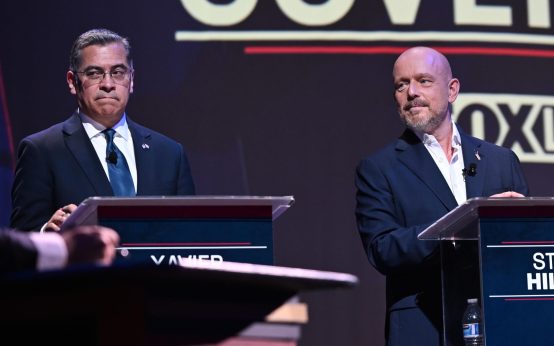 Becerra and Hilton Clash in California Gubernatorial Debate
  California Voters to Decide on $7.5 Billion State Research Fund
 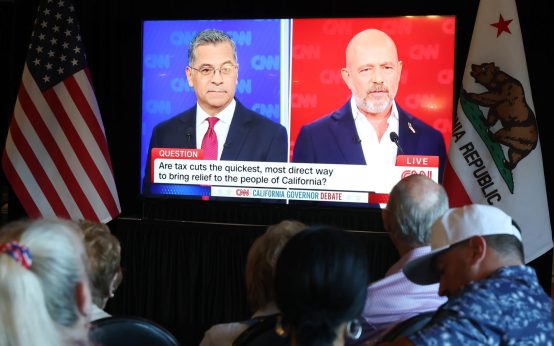 Highlights from the California Gubernatorial Debate: Becerra vs. Hilton
  Becerra vs. Hilton: The Debate and Key Issues in the California Governor Race
  Senate Confirms New Labor Secretary