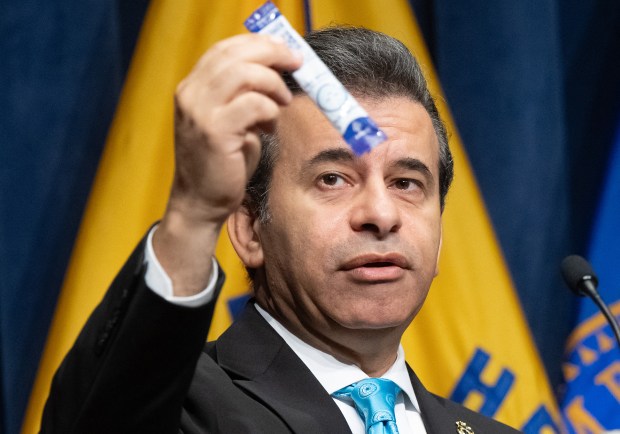
Many residents of Illinois may not be familiar with 7-OH, despite recent warnings from federal officials. This substance, available in tablet, liquid, and gummy forms at vape shops and convenience stores, poses a potential risk for exacerbating the opioid crisis. A federal proposal seeks to ban 7-OH, prompting business owners in Illinois to remove it from shelves and addiction recovery centers to prepare for a potential influx of new patients if it becomes unavailable.
The Rise of 7-OH
Dr. David Kushner, medical director at Brightside Recovery in Northbrook, noted a significant increase in new patients, attributing this to 7-OH. The compound, short for 7-hydroxymitragynine, is present in small amounts in the kratom plant. However, recent commercial products contain high concentrations, mirroring opioid effects on the body. The U.S. Drug Enforcement Administration proposed adding products with elevated 7-OH levels to the Schedule I substance list, classifying it alongside drugs like LSD and heroin due to its lack of medical use and high abuse potential.
Response from Business Owners
The comment period for this change concluded on September 10, with finalization still pending. Nonetheless, Illinois businesses proactively began addressing the issue. A Chicago-area vape shop owner quickly cleared 7-OH products following news of the potential ban. Phil Atteberry from Brightside visited approximately 50 vape shops throughout Chicago to ensure awareness and distribute treatment information.
Impact on Addiction Recovery Services
Concerns grow over withdrawal symptoms associated with discontinuing 7-OH, including nausea, weakness, and depression. Laura Fry, executive director at Live4Lali, emphasized the urgency as calls to their substance use hotline increased over the summer. Dr. Puneet Lakhmani of Rosecrance Therapies highlighted the expansion of opioid availability through 7-OH, often leading users unaware of its addictive nature.
A Personal Story: Ryan’s Experience
Ryan, from Chicago’s suburbs, shared his journey with 7-OH. Initially prescribed Vicodin, he sought alternatives, trying kratom for pain relief. Unaware of 7-OH’s addictive potential, he became dependent, spending significant savings before seeking treatment. Ryan emphasized the dangers of its commercial availability and the significant impact on his life.
Regulatory Challenges and Concerns
Advocates for regulation over prohibition argue the importance of alternatives for chronic pain relief. They question the rationale of banning 7-OH while kratom remains on shelves. Previous legislative efforts in Illinois to regulate or ban high-concentration 7-OH products failed, yet some municipalities like Rockford and Naperville already implemented bans. Maryann Mason from Northwestern Medicine recognizes the potential for new substances to replace 7-OH if it’s banned while advocating for its Schedule I designation.
For those dealing with mental health or substance use disorders, the federal Substance Abuse and Mental Health Services Administration provides resources and referrals through their helpline 1-800-662-HELP (4357) or by texting a ZIP code to 435748 (HELP4U).