When I entered prison at 17 in 1995, dial-up internet was still emerging. I was unaware of anyone using it. By the time I exited in 2010 at 32, technology had transformed entirely. The fourth iPhone was common, and touchscreens had replaced keyboards. Everything had shifted online, including job applications, government services, healthcare portals, and daily communication. While incarcerated, I missed this digital shift.
Upon returning home, I worked relentlessly. I held two full-time jobs and a part-time one. Employed at a pizza shop, answering calls at a payday loan company, and performing janitorial work at a church, I clocked in 100 to 140 hours weekly. I felt like I was thriving.
Then, I visited H&R Block to file taxes for the first time. Handing my W-2s to the tax preparer, I watched him calculate my earnings. I was stunned by the result: $24,600. That’s all I earned for the entire year.
It dawned on me that supporting oneself on $24,000 was impossible. Covering rent, a car, food, clothing, and healthcare was out of reach. Without family support, I would have faced serious trouble. In understanding this, I recognized why people feel defeated. Working hard, the numbers still didn’t add up. Some may think of earning $24,000 in a month through other means. When cornered, different choices might appear tempting.
The issue wasn’t solely low wages. I returned without the necessary tools the modern economy demands. I had motivation and grit and was willing to work intensely, but lacked digital literacy. By 2010, this deficiency was already impacting me. Falling behind is rapid. Imagine skipping not only updates but missing foundational technology altogether.
I had never filled out a digital job application and was inexperienced with online systems. Hard work couldn’t bridge the technology gap. Building a career in reentry advocacy, I often wondered how life might differ if I had practiced essential digital skills during those 15 years. Creating a resume, applying for jobs online, setting up an email, taking classes, and staying connected—skills others took for granted—were foreign to me.
In prison, access to secure digital technology differentiates successful returning citizens from those who might relapse into old behaviors. Leading TimeDone, a community for those with past legal issues, I’ve met many motivated individuals who, despite their efforts, faced insurmountable external barriers. Reentry cannot commence upon release. People require tools, training, connection, and support prior to release to succeed.
We’ve developed a support program connecting individuals with peers, technology, savings, mental health services, and meaningful connections. This makes a critical difference. In 1995 or 2010, these resources were unavailable to me. Today, I strive to fill that gap, ensuring the necessary tools exist for those leaving prison, providing support if they falter afterward.
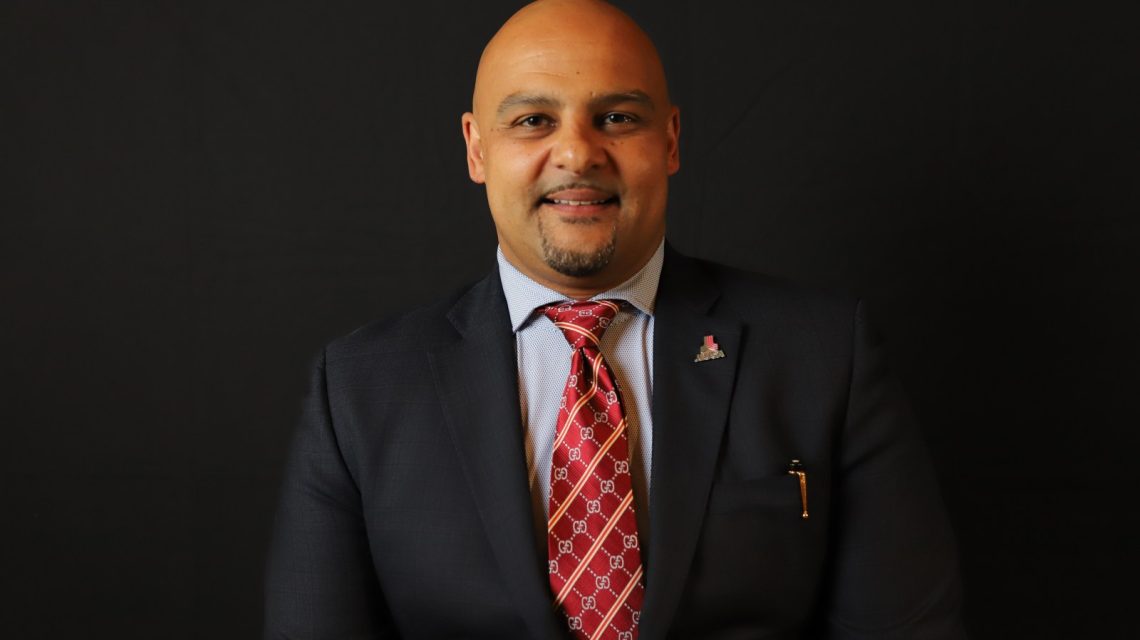
Having lived through one version of reentry, I aim to prevent others from experiencing the same struggles. Saad Soliman is the national director of TimeDone at the Alliance for Safety and Justice, leading national policy efforts and reentry system changes for those with past convictions.
All views expressed in this article are the author’s own.
Do you have a personal essay you want to share with Newsweek? Send your story to [email protected].
 Challenges in Managing Advanced AI Models
  The Risky Foundations of AI’s Economic Impact
  The Measure of Friendship
  A Honeymoon Safari Turns Into a Fight for Survival
  Facing Terminal Illness: Embracing Life’s Moments
  Journey Through Love and Health Challenges