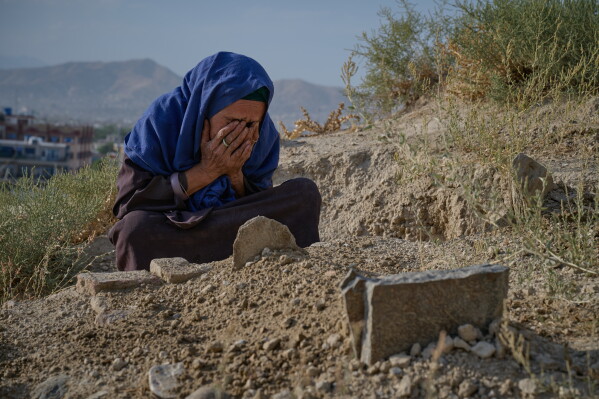
Time holds significant sway in our lives. We often regard it as a healer and a resource to manage diligently. People try to optimize it in daily living and globally, balancing natural cycles with societal needs.
The Nature of Time Measurement
Humans developed various methods to measure time. From calendars that rely on solar or lunar cycles to modern clocks, these systems are far from universal. For instance, the U.S. shifts its clock twice a year to maximize daylight, which remains controversial.
Elizabeth Cohen, a political science professor, notes that all time measurements are arbitrary. The systems have evolved due to cultural, religious, economic, and technological influences.
The Role of Calendars
Calendars provide structure. Different cultures have used them through history. While the Gregorian calendar predominates, others persist for religious and cultural reasons worldwide.
Daylight Saving Time
Daylight Saving Time is linked to perceptions of daylight. Michael O’Malley, a history professor, explains it reflects a ‘desire for natural time,’ though it largely depends on cultural synchronization with clocks.
The Evolution of Time Culture
Cultural connections to time have evolved. Historically, natural rhythms guided activities like farming. Industrialization shifted time perception. People had to follow schedules, making the clock an authoritative timekeeper.
By the 19th century in the United States, time zones emerged to aid the expanding railway system. Before standardization, over 40 time zones existed, complicating travel and commerce.
Time in Politics
Political factors complicate time perception. The Prime Meridian, set in Greenwich in 1884, symbolizes how global time is politically influenced. O’Malley explains that political motives guide time zone decisions, with countries setting their own standards.
China presents a notable case, operating on a single time zone nationwide for unity. However, regional adaptations occur since sunrises differ dramatically across its expanse.
The Power of Time
Time’s control can span over societal aspects. Governments may use it for curfews, while dissenters may use it for effective protests.
Cohen emphasizes that time holds substantial power. People continually vie to impose or resist control, showcasing its importance in human interaction.
 President Trump’s Pre-Midterm Interview on Key Issues
 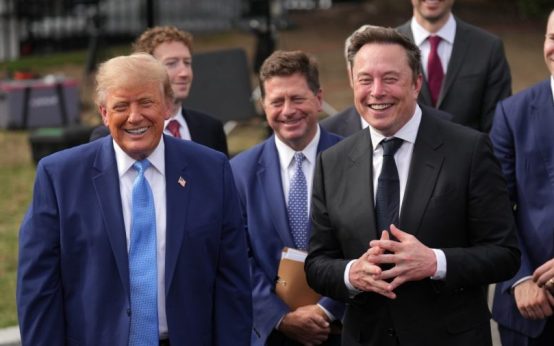 Trump’s 2024 Reelection and Evolving Voter Dynamics
  Defense Secretary Emerges as Key Player in the Trump Administration
 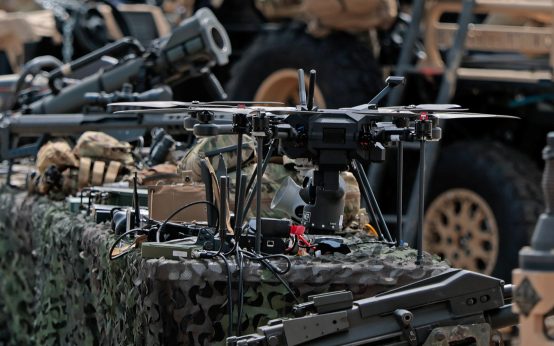 Hegseth’s Vision for the Military: Balancing Tradition and Innovation
 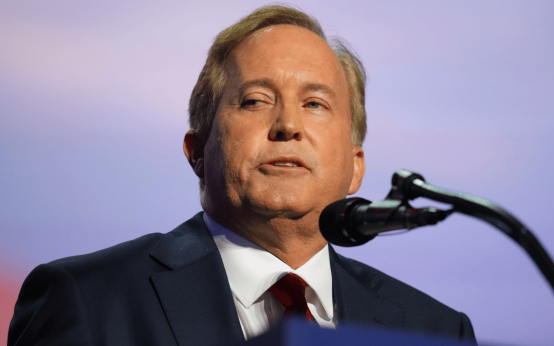 Significant Funding Boosts Ken Paxton’s Texas Senate Campaign Amid Tight Race
  U.S. States Extend Gas Tax Waivers Amid Rising Fuel Costs Due to Iran Conflict