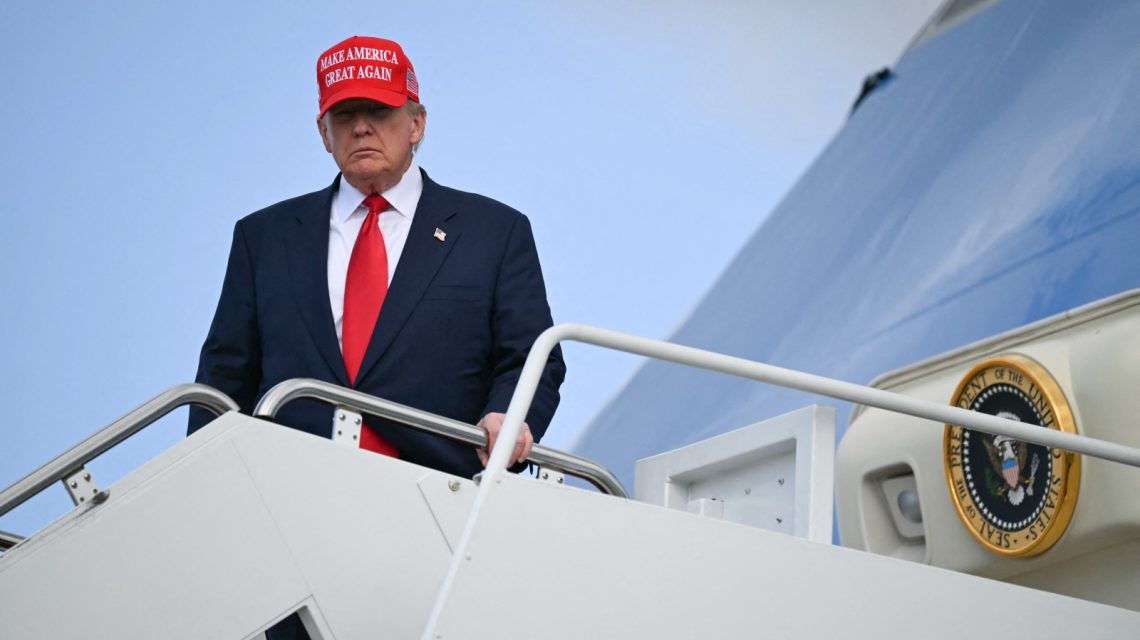
Having supported Donald Trump in multiple elections, I believed he had the potential to reshape American politics. However, recent events prompt a reevaluation of his legacy, highlighted by his controversial appointment of Bill Pulte, lacking intelligence experience, to lead national spy agencies. This raises questions about the future of his intended political transformation.
Trump’s election was not solely about victory. His promise centered on creating a lasting, multiracial working-class coalition aimed at transforming the Republican Party. Trump’s position as a generational leader offered a chance reminiscent of Ronald Reagan’s era. Reagan redefined the party and left a legacy lasting beyond his presidency. The challenge lies in whether Trump can achieve similar longevity.
Despite strong support from his base, the administration’s focus on divisive issues raises concerns. Actions like renaming the Kennedy Center and banning transgender service members gain applause but lack long-term substance. These approaches offer limited benefits to the majority who supported him.
Court challenges have further highlighted issues. For instance, a judge ruled against the Kennedy Center renaming, and an appeals court blocked the transgender ban. Legal setbacks turn potential victories into defeats, undermining Trump’s initiatives.
Trump’s legislative strategies also face scrutiny. Though ideas like voter ID are popular, the SAVE Act was mishandled. It became a loyalty test, despite lacking Senate support. This approach contributed to the end of John Cornyn’s career, reflecting a trend of prioritizing personal interests over party goals.
The appointment of Pulte signifies another strategic misstep. While his background in housing might qualify him for related roles, it doesn’t prepare him for overseeing intelligence matters. This choice exemplifies a preference for ideological alignment over expertise.
Pulte’s appointment highlights the risk of a movement built solely around one leader, paralleling the Tea Party’s decline due to a lack of cohesive leadership. In contrast, the MAGA movement centers solely around Trump, risking collapse without him.
A movement lacking a clear successor reflects a personality cult rather than a sustainable realignment. Reagan distinguished himself by fostering an optimistic vision and a strong leadership team, ensuring his legacy endured.
In contrast, Trump’s approach often fosters conflict, focusing on loyalty over results. This strategy, while potentially effective in winning, poses questions about its lasting impact. The ongoing challenge is whether Trump can govern in a way that leaves a sustainable legacy.
Trump assembled a significant coalition, affirming his ability to secure victories. The critical consideration remains whether he can govern effectively and preserve his legacy. For those who viewed 2016 as a pivotal moment, the concern lies not in electoral defeat but in a legacy marred by internal conflicts and lost opportunities. Protecting a legacy involves designating a successor; as of now, Trump remains the sole figure representing his vision.
Melik Abdul is a public affairs professional and Republican strategist based in D.C. The opinions expressed are his own.
 State Department Accuses Senate Democrats of ‘Grandstanding’ Over Venezuela Oil Deal
  Texas Senate Candidates Address Attacks with New Ads
  Republicans Withdraw Financial Support from North Carolina Senate Campaign
  Defense Secretary Ensures Military Votes Are Counted
  The Trump Team’s Challenge to the Military Leadership
  Maryland First State to Restrict Electronic Pricing in Grocery Stores