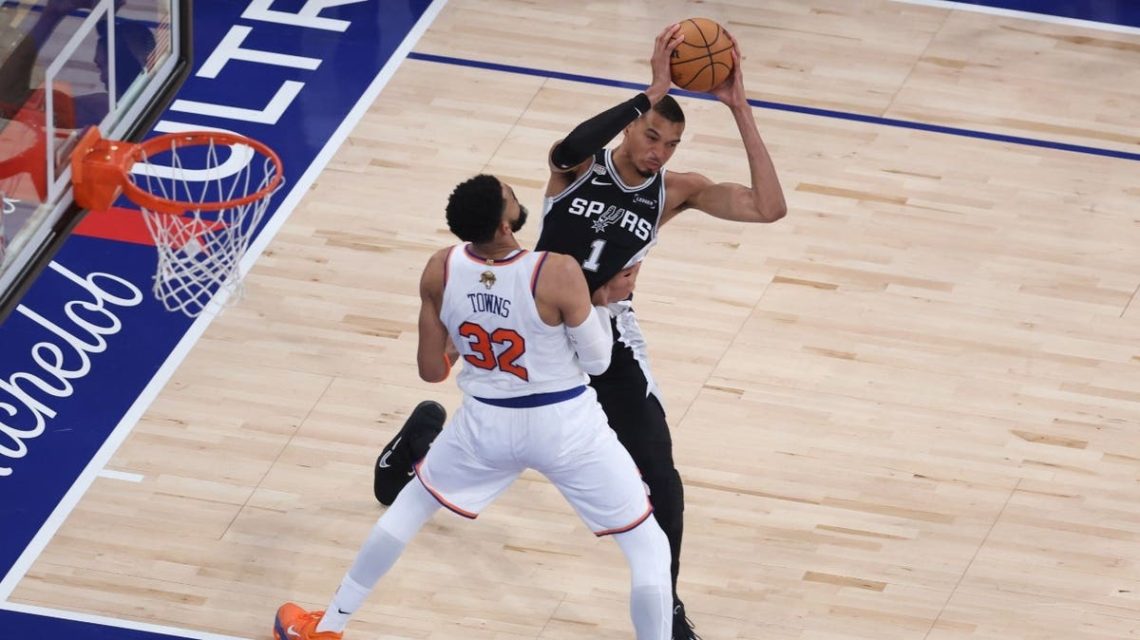
ESPN highlighted the significant viewership statistics from Game 3 of the NBA Finals between the San Antonio Spurs and the New York Knicks. The game attracted an average of 23.8 million viewers, making it the highest-rated NBA Finals Game 3 since 1998 and the most-watched Game 3 ever on ABC and ESPN.
Many might assume that these impressive ratings would generate a positive response from the NBA’s media followers. However, reactions often steer towards critique and debate, especially on platforms involving OutKick, Clay Travis, and popular podcasts like Bill Simmons and Ryen Russillo.
Context of NBA Playoff Ratings
It’s essential to understand the broader context behind attributing the ratings high to Game 3. Since September, Nielsen’s methodological updates, introducing the Big Data + Panel system, have notably inflated live sports audience estimates by combining digital device data with traditional viewers. While there’s debate over the method’s accuracy, it has undeniably increased recorded ratings across different sports leagues.
Live sporting events, including the NFL, MLB, NHL, NBA, and more, have shown record or near-record ratings due to this measurement change. Notably, the drop in the Super Bowl’s second half following Bad Bunny’s halftime act remained one of the few exceptions.
This particular NBA season also saw viewing benefits from structural shifts. For the first time, first-round games weren’t broadcast on local affiliates, driving a larger audience to national broadcasts. Additionally, game broadcasts moved from TNT, a cable network, to NBC, which has a broader reach.
Changes in Broadcasting and Streaming
Broadcasters now include self-reported streaming data with Nielsen’s TV measurements, albeit using different calculations. For example, NBC combines its Peacock streaming data, measured through Adobe Analytics, with its television viewership figures. The distinction lies in streaming measurements based on concurrent viewers and television audiences measured throughout a broadcast.
Such factors mean comparisons of the 2026 NBA playoff ratings to previous seasons without accounting for these shifts are often misleading. Yet, many media outlets persist in making such comparisons.
Social and Cultural Influences on NBA’s Popularity
The league’s current prominence stems not just from broadcast changes but also from a broader public interest, such as the Knicks playing in New York City— the biggest US television market—seeking their first championship since 1973. Ticket prices are on par with Super Bowl rates, attracting casual fans.
Moreover, the NBA has distanced itself from overt political messaging in recent years. This move seems to coincide with the upward trend in ratings, a phenomenon observed despite contrary views voiced by critics.
Contributions of Players to NBA’s Rising Popularity
Particular players have positively impacted the NBA’s image. For instance, the emergence of Victor Wembanyama, a French basketball prodigy with significant influence, signals possible long-term growth for the league. His performance, despite his youth, demonstrates potential to become a central figure in the sport, although he’s had moments of struggle on the grand stage.
In summarizing, the NBA is witnessing a resurgence in viewer interest and favorable ratings trends due in part to strategic choices in broadcasting, distancing from political statements, and captivating narratives surrounding players and teams. Analysts and avid sports followers continue to ponder its sustainability as cultural shifts and global basketball icons reshape the NBA’s landscape.
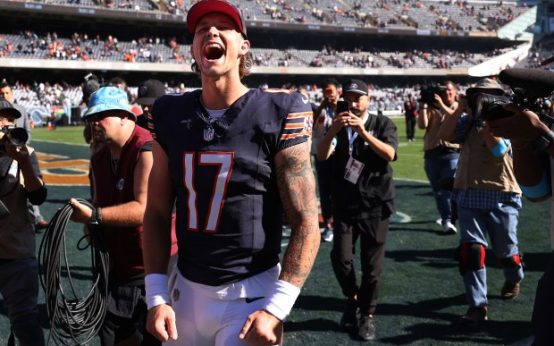 Bears Quarterback Tyson Bagent Shines in Victory Over Jets
 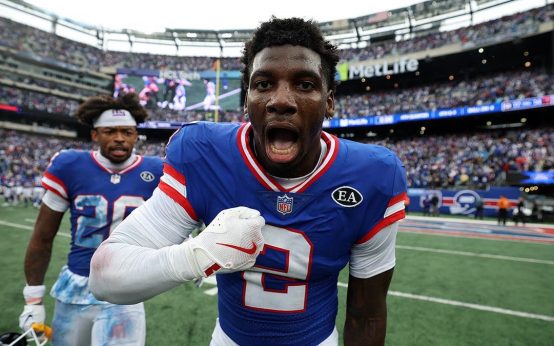 Giants’ Defensive Heroics Secure First Place in NFC East
 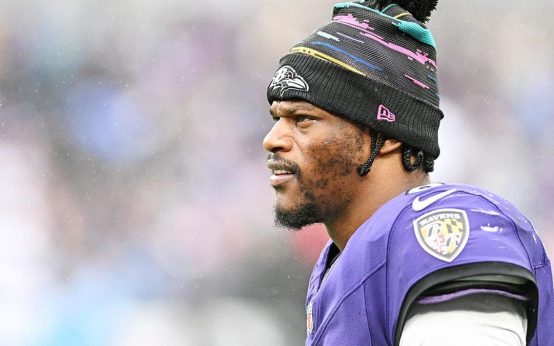 Lamar Jackson’s Sideline Smile: Injury Concerns for Ravens Unfounded Against Titans
 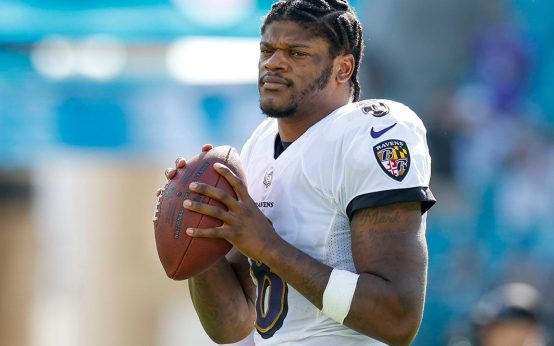 Lamar Jackson: Rising Star in the NFL
 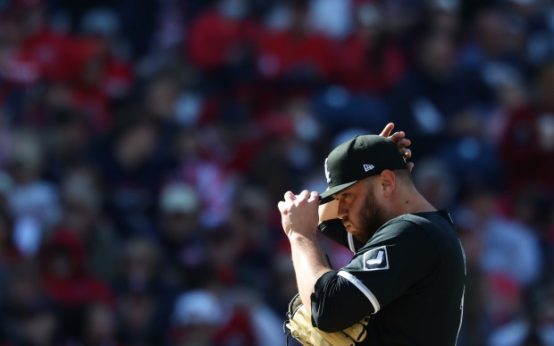 White Sox Strategy for AL Division Series Game 2
  Nick Saban and Rod Brind’Amour: Controversies Unveiled