When considering protection for your house or rental, several options exist. These range from home insurance to security alarm systems, as well as home warranties. While mortgage lenders often require home insurance and security systems might be costly and complex to install, home warranties are straightforward, dependable, and fairly inexpensive.
A home warranty helps cover repair costs for common household items and appliances. In some instances, it may even provide full replacement of an item. If you don’t have one, it’s worth considering whether you’re a homeowner or renter. If you’re uncertain about pricing or your need for a home warranty, a few simple steps can help you explore your options.
Pros of Home Warranties
Price: With a monthly cost usually between $25 to $100, this service offers protection and maintenance for appliances included in your agreement. While you might not need to use it every month, the cost is minimal compared to potential repair or replacement expenses, which can run into hundreds or thousands of dollars.
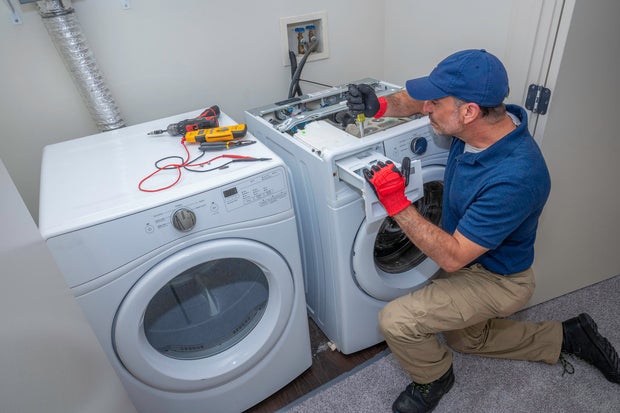
Expert Service: When items break, finding a reliable repair person can be challenging. Home warranty providers maintain extensive lists of service professionals in your area who can respond promptly.
Security and Peace of Mind: Having coverage brings peace of mind. You won’t need to worry about appliance repair and maintenance, allowing you to focus on more significant matters.
Securing a home warranty now is a practical way to maintain your peace of mind and financial health.
Cons of Home Warranties
Limitations: Warranties cover only those items specified in the agreement. Any exclusions fall on the homeowner. This might not be a significant disadvantage unless extra costs arise for uncovered items.
Exclusions Apply: Home warranties are not comprehensive. Items already malfunctioning or improperly installed won’t be covered. They may not cover structural, plumbing, or electrical changes needed for new installations. It’s important to read your contract carefully to understand coverage specifics.
Less Input: Warranty providers manage repairs with their technicians. If you prefer involvement in every repair step, a home warranty might not suit you.
This overview doesn’t cover everything. Additional pros and cons could relate to your specific home, rental, appliances, and personal preferences. Begin by evaluating the coverage you need. Next, consider additional coverage that could benefit you. Finally, contact a provider to establish a warranty.
Unsure if a home warranty is the right choice? Consult with a provider to determine the best option for your home.