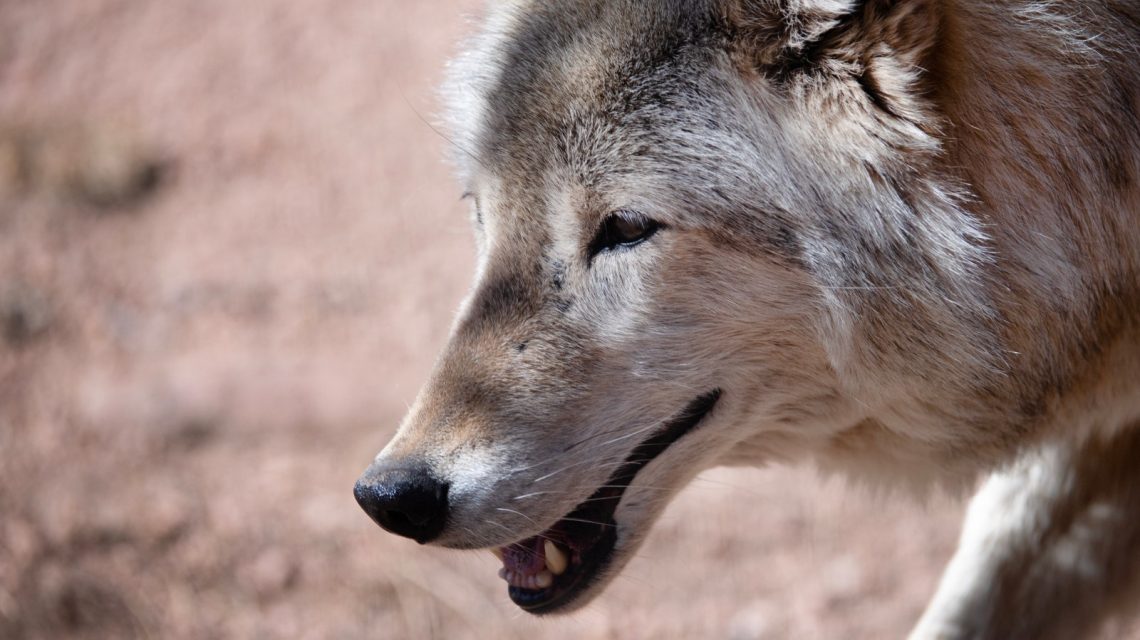
President Donald Trump has initiated a review of the protected status of gray and Mexican wolves in the United States. This action could potentially reduce or remove Endangered Species Act (ESA) protections for these animals.
Executive Order for Review
In the order signed on Friday, Trump directs the interior secretary to assess whether the wolves meet criteria for delisting or downlisting. If appropriate, rulemaking will be initiated. The order also includes recommendations for legislation, improved coordination with states on local protections, updated standards for compensating livestock losses, and faster authorization for lethal removal of wolves when necessary.
Wolf Population Estimates
Alaska has the largest estimated gray wolf population, with Minnesota, Wisconsin, and Idaho following according to the Wolf Conservation Center’s compilation of data from various federal and state wildlife agencies. Estimates are:
- Alaska: 7,700-11,200 (as of 2017)
- Minnesota: 2,919 (winter 2022-23)
- Wisconsin: approximately 1,200 (2024-25)
- Idaho: approximately 1,129 (2025)
- Michigan: 762 (2023)
- Montana: 725 (2025)
- Washington: 270 (April 2026)
- Wyoming: 253 (December 31, 2025)
- Oregon: 230 (April 2026)
- New Mexico: 175 Mexican gray wolves (2025)
- Arizona: 142 Mexican gray wolves (2025)
- California: around 55 (May 2026)
- Colorado: 32 (March 2026)
Implications of the Order
The executive order does not immediately remove federal protections for the wolves. The U.S. Fish and Wildlife Service notes that delisting typically involves assessing recovery threats, proposing a rule in the Federal Register, obtaining public input, and issuing or withdrawing a final rule.
The administration frames the wolf management policy as helping ranchers address livestock predation and mitigating discontent over expanding lower-tariff beef imports. Interior Secretary Doug Burgum’s post on X emphasized the commitment to lower prices for American consumers and support ranchers.
Industry and Conservation Perspectives
President of R-CALF USA, Dave Hyde, expressed that while broader ranching orders don’t immediately solve all issues, they demonstrate support for addressing cattle producers’ longstanding concerns. Agriculture Secretary Brooke Rollins mentioned the measures aim to equip ranchers and farmers against livestock threats.
In contrast, Humane World for Animals warned that reduced protections could risk decades of wolf recovery effort. Greta Anderson from Western Watersheds Project called the policy a distraction to placate ranchers, suggesting the issues posed by wolves are less severe than Trump’s policy impacts.
 State Department Simplifies Passport Process with Online Applications
  Swiss Glaciers Show Effects of Ice Loss Amid Global Warming
  Climate-Resistant Rock Glaciers: Hidden Water Resources
  Becerra and Hilton Clash in California Gubernatorial Debate
  California Voters to Decide on $7.5 Billion State Research Fund
  Highlights from the California Gubernatorial Debate: Becerra vs. Hilton