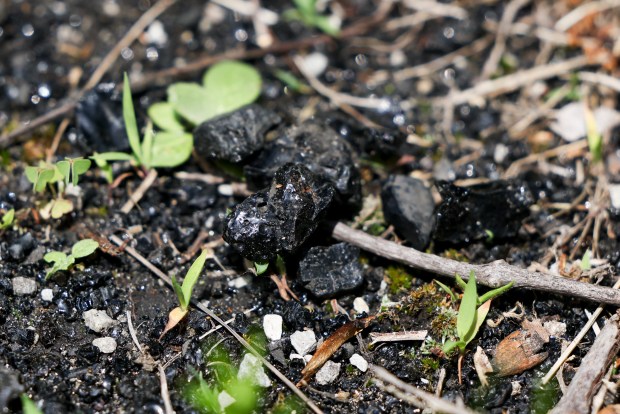
In the Town of Pines, Indiana, residents live with a constant reminder of pollution from the Michigan City Generating Station. Cathi Murray, a local resident, finds coal ash in her garden, evidence of the site’s contamination. This waste, originating from coal combustion, taints the community with heavy metals linked to serious health issues.
Beginning in the late 1970s, Northern Indiana Public Service Co. used excess coal ash as fill material. This practice spread toxins across the community, raising health alarms. The U.S. Environmental Protection Agency (EPA) notes the connection between coal ash and health risks like cancer. Despite being declared a Superfund site over 20 years ago, Pines continues to struggle with pollution.
A recent proposal by the EPA aims to roll back certain coal ash regulations. Environmental groups warn against weakening these safeguards in regions around the Great Lakes, a crucial freshwater source.
Proposed Regulation Changes
The Trump administration suggested changes that could delay cleanup efforts. The EPA wants to reduce restrictions on coal ash reuse, echoing past practices in Pines. These changes might also exempt pre-2015 “legacy” sites from cleanup mandates, previously addressed under the Biden administration.
Environmental organizations express concern over these changes. Earthjustice, a legal advocacy group, argues that loosening regulations could lead to further contamination. Lisa Evans, Earthjustice’s counsel, highlighted the sweeping impact on existing safety measures.
Local Concerns and Precautions
Some propose additional protections for Lake Michigan’s shores. Ashley Williams from Just Transition Northwest Indiana voiced worries about the aging seawall meant to protect the coast from coal ash breaches. The state’s laws currently limit Indiana’s ability to enforce stricter coal ash standards beyond federal regulations.
Meanwhile, in neighboring Illinois, rules are more stringent. A 2019 law improves transparency and strengthens coal ash cleanup. Yet, legacy sites remain a challenge, as Earthjustice attorney Jenny Cassel points out. Without federal support, addressing these sites could overburden state agencies.
Historical Context and Future Implications
The EPA established initial coal ash regulations in 2015 following a massive spill in Tennessee. The catastrophic event emphasized the need for oversight, yet many older disposal sites escaped federal regulation.
In Indiana, which holds a high number of coal ash sites, environmental advocates push for more robust management of these locations. The 2024 rules had extended oversight to legacy sites, a step now threatened by the proposed rollbacks.
Community and Environmental Advocacy
Community groups like Clean Power Lake County push for the closure of coal ash ponds, aiming to prevent further water contamination. Legal efforts in Illinois have enforced cleanup in Waukegan, though federal changes might impact broader protections.
Advocates argue against reverting to outdated disposal practices. Instances like Pines serve as cautionary tales of the long-term environmental and health impacts of coal ash mismanagement.
Cathi Murray and others in such communities worry about future consequences, often linking personal health issues to the longstanding environmental hazards. Local initiatives and federal hearings continue to shape policies affecting these vulnerable areas.
 Atlantic Ends September Without a Hurricane for First Time Since 1994
  Bobcat Sightings and Conservation Efforts in Illinois
  2026 El Niño: A Historical Comparison and Future Projections
  U.S. Records Warmest September in History
  Increased Funding Needed for Psychiatric Hospitals
  Higher Consumption of Ultra-Processed Foods Linked to Increased Health Risks