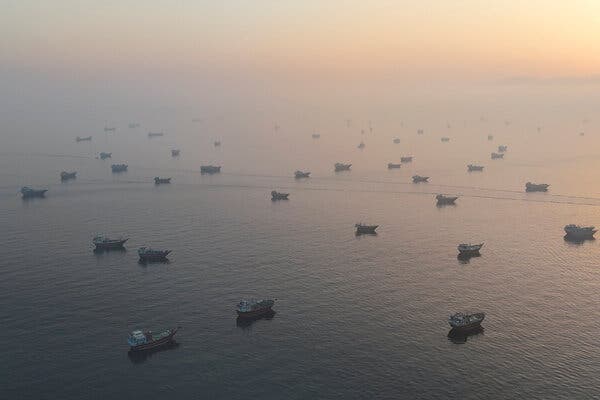
Shipping companies have expressed cautious optimism about a new agreement aimed at reopening the Strait of Hormuz. However, they require further security assurances before resuming operations in the region.
The preliminary accord between the United States and Iran intends to quickly restore navigation through the strait. Yet, companies on Monday highlighted the need for additional information before they can reestablish normal shipping activities.
Since the United States and Israel launched attacks on Iran in late February, the Strait of Hormuz has been virtually closed. This situation has stranded hundreds of vessels in the Persian Gulf, preventing the transport of oil and gas to international markets.
“There are a lot of questions that need to be clarified,” said S.V. Anchan, chairman of Safesea Group, a shipping firm based in Piscataway, New Jersey. The company has two ships in the gulf; one is severely damaged and non-operational, while the other awaits departure. Mr. Anchan stressed the importance of a firm assurance from Iran ensuring the safe passage of vessels. “We want to hear from the Iranians that they will not attack us,” he emphasized.
Another industry leader, Andreas Enger, CEO of Norwegian shipping company Höegh Autoliners, echoed similar sentiments. He stated that while the agreement is promising, more concrete steps are needed before shipping can restart through the strait. “But let’s hope that it is the start of the process that will get us there,” he remarked.
Mr. Enger pointed out that it might take several weeks or even months to confidently send ships into the Persian Gulf again. “There very well may still be uncertainties and unresolved issues that would drag this out even longer,” he cautioned.
 Investigation into Alleged Incident at Cornell University
  Rising Drone Threats Highlight Vulnerabilities in Moldova’s Airspace Defense
  Bolivia Faces Security Test Amid Unrest
  Incident on FlyDubai Flight Raises Security Concerns
  Journalist Gershkovich Discusses Wrongful Detention and Release in Russian Prisoner Swap
 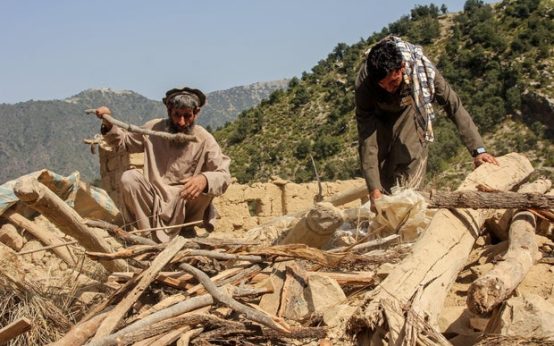 Pakistan Airstrikes in Afghanistan: Civilian Casualties Reported