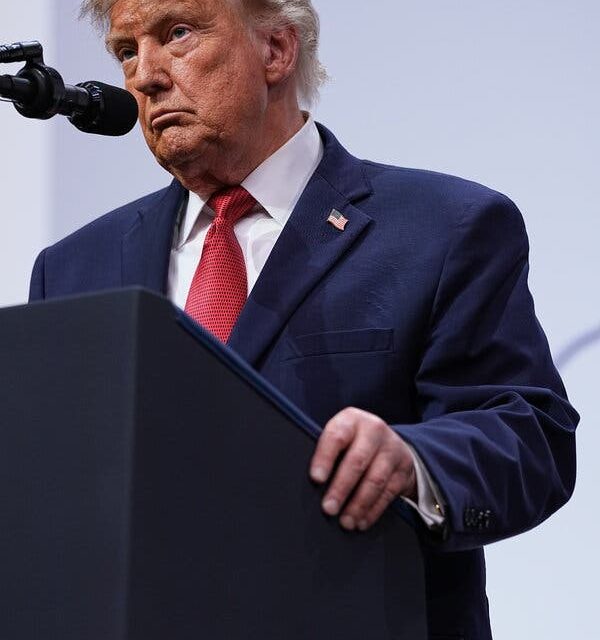
The recent confrontation with Iran took a surprising turn for President Trump. Originally, he demanded Iran’s unconditional surrender, confident in America’s military superiority. However, the resulting agreement was far from a surrender document.
While Iran faced significant losses, they managed to emerge from the conflict with key advantages. The agreement allowed Tehran to resume oil sales, alleviating economic pressures on the regime. This is crucial as negotiations on a document to curb Iran’s nuclear program for up to 20 years are set to begin.
President Trump values leverage, and this outcome remains a puzzle. The Memorandum of Understanding hints that Iran might secure some control over the Strait of Hormuz, opposed by Secretary of State Marco Rubio who stated free passage is essential.
The memorandum also paves the way for Iran to access billions in frozen assets. Trump insists this will depend on Iran’s behavior. Critically, this mirrors concessions made by former President Obama, often criticized by Trump.
Despite battlefield successes—sinking Iran’s navy and destroying defense capabilities—Trump’s broader goals remain unmet. He aimed for the destruction of missile programs, regime change, and control of Iran’s oil industry.
 The Trump Team’s Challenge to the Military Leadership
  Maryland First State to Restrict Electronic Pricing in Grocery Stores
  British Police Arrest Man Suspected of Terror Plot
  Activists Push for Nationwide Ban on Child Marriage in the U.S.
  Democratic Hopes and Historical Warnings in 2026 Senate Race
  Republicans Face Challenges Amidst Cost of Living Concerns