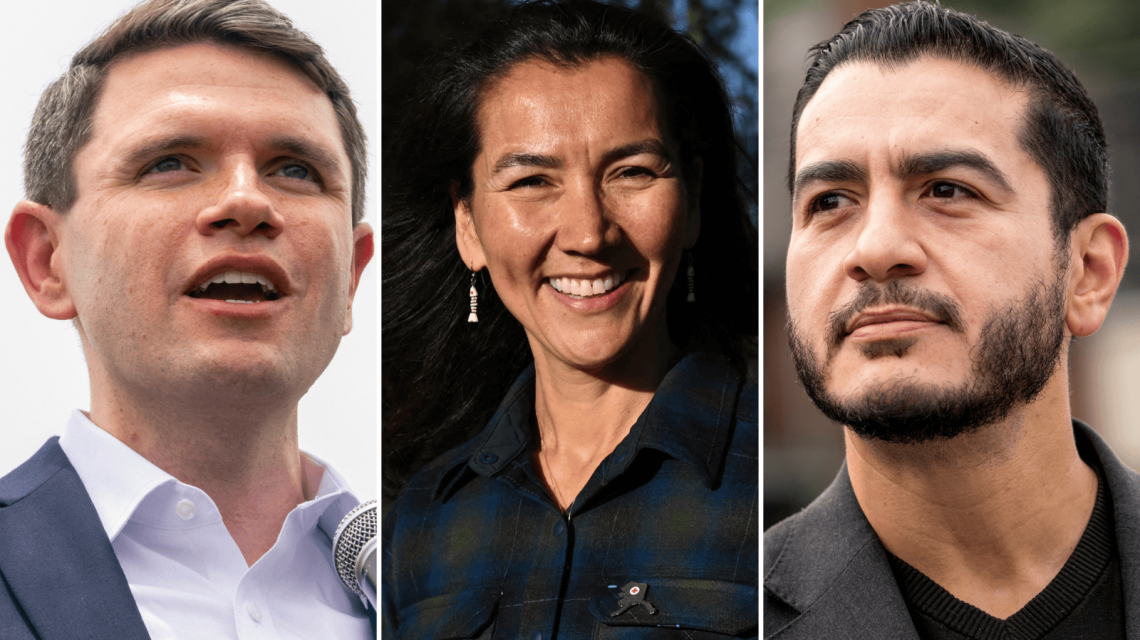
Democrats are hopeful about flipping the Senate in the upcoming midterm elections, buoyed by a series of favorable polls. However, historical patterns serve as a caution. Polls in recent elections have underestimated Republicans in crucial states.
Key States and Tight Races
The Senate’s control might hinge on a few races where polls indicate tight margins. States such as Alaska, Iowa, Maine, Michigan, Ohio, and Texas are identified as highly competitive, with both parties optimistic about their prospects. Though recent polls signal close contests, Republicans have often surpassed polling predictions in previous elections in these areas.
Polling inaccuracies do not necessarily perpetuate from one election to the next. Still, a similar pro-Republican error could hinder Democrats’ efforts to gain Senate control.
Unknown Factors in Polls
According to Grant Davis Reeher, a political science professor at Syracuse University, predicting polling errors this year is challenging. Factors like voter turnout can disrupt poll accuracy, particularly in midterms. He speculates there is a motivation gap favoring Democrats this year, but last-minute Republican enthusiasm could alter predictions.
Democratic Optimism for 2026
Several factors fuel Democratic optimism, including President Donald Trump’s low approval ratings. Historical trends show that unpopular presidents often lead to midterm losses for their parties. Trump’s approval ratings have dropped amid ongoing economic challenges and international issues such as the Iran conflict.
A recent Quinnipiac University poll indicates Trump’s net approval at -26 points; this unpopularity may help Democrats expand their reach into conservative states like Alaska, Iowa, Ohio, and Texas. They aim to erode the Republicans’ 53-47 Senate majority.
Special Elections and Polling Trends
Recent special elections have shifted some seats from Republican to Democratic, sparking optimism among Democrats. Although these elections have low turnout compared to midterms, they highlight growing enthusiasm among Democratic voters.
Past election cycles have seen polling errors underestimating Republicans, causing concern for Democrats. CNN analyst Harry Enten notes that Republicans exceeded polling predictions in Midwestern states during past key races.
The Impact of Polling Errors in Six Key Races
In Alaska, the race between Republican Senator Dan Sullivan and Democrat Mary Peltola remains close. Polls indicate varying leads, but historical inaccuracies in Alaska’s polling add uncertainty.
In Iowa, Democratic Representative Josh Turek holds a slight lead over Republican Ashley Hinson. Past polls have underestimated Republican performance, creating doubts about current predictions.
Maine’s race is between Republican Susan Collins and Democrat Troy Jackson. Despite Maine’s Democratic lean, Collins’ previous victories reflect discrepancies in polling predictions.
Michigan’s open Senate seat, contested by Democrat Abdul El-Sayed and Republican Mike Rogers, remains highly competitive. Historical polling errors keep analysts cautious about predictions.
In Ohio, former Senator Sherrod Brown faces a challenging comeback against Republican Jon Husted. Previous underestimations of Republican performance raise concerns about current polling accuracy.
Texas emerges as a battleground with Democrat James Talarico and Republican Ken Paxton in a close contest. Historical polling errors in favor of Republicans add to the suspense in Texas races.
Looking Ahead
Polls will continue to be critical indicators as the midterms approach. Candidates are working to energize their voters and sway undecided individuals in these pivotal swing states. President Trump’s approval ratings, economic conditions, and the geopolitical situation with Iran are key factors that may influence voter decisions.
 The Trump Team’s Challenge to the Military Leadership
  Maryland First State to Restrict Electronic Pricing in Grocery Stores
  Activists Push for Nationwide Ban on Child Marriage in the U.S.
  Republicans Face Challenges Amidst Cost of Living Concerns
  A Different Kind of Fall for Congress This Year
  Cornel West and Sean Hannity Discuss Differences on Podcast