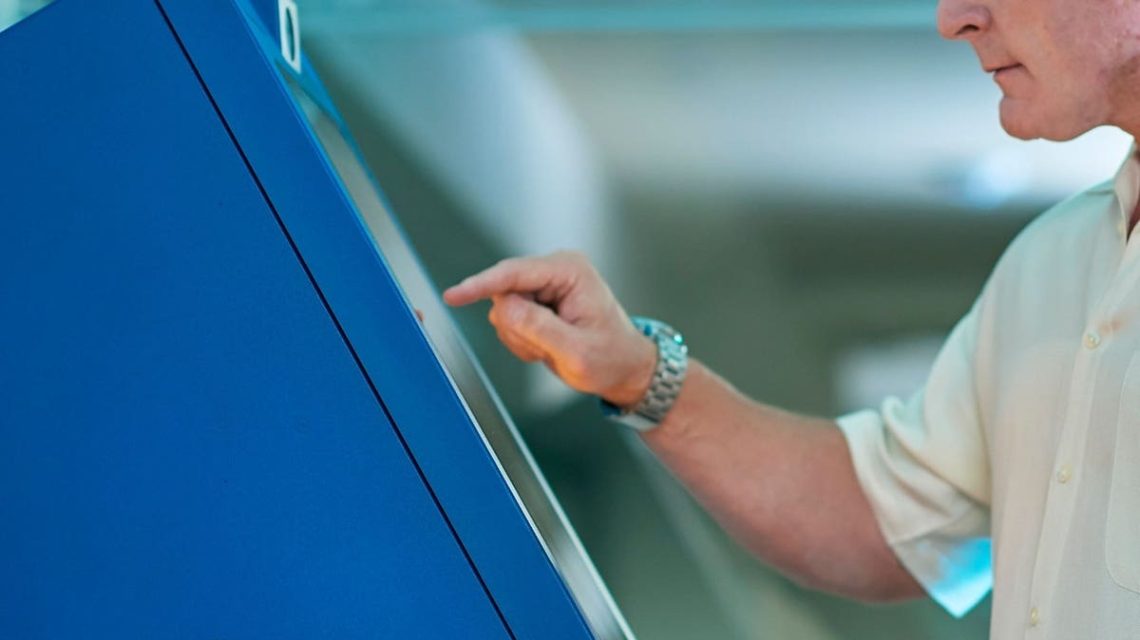
Minnesota has introduced a ban on crypto ATMs following reports of scams where nearly $1 million was stolen from residents over recent years. These machines, also known as cryptocurrency kiosks, allow individuals to exchange cash for digital currency quickly. However, their rapid processing has made them particularly appealing to criminals who utilize them to exploit victims during fabricated emergencies, legal threats, and romance-related scams.
Ban Implementation and Rationale
The ban will take effect on August 1, 2026, with operators required to remove all publicly accessible machines by the end of 2025. State officials highlight that scammers exploit these kiosks to rush victims into making payments before intervention is possible. Criminals aim to capitalize on this quick turnaround to secure funds from unsuspecting individuals.
Historical Data on Crypto ATM Scams
Between 2023 and 2025, there were 134 reported cases of crypto kiosk scams in Minnesota, with losses nearing $1 million. In 2025 alone, there were 70 cases, resulting in more than $540,000 lost. These figures may underrepresent the true impact, as many victims do not report incidents due to embarrassment or fear of judgment from family and friends. Despite previous efforts to implement safeguards on these machines, scammers adapted by guiding victims through the process while remaining on the phone with them.
The Nature of Crypto ATM Scams
Crypto kiosks contribute to the problem by facilitating quick, difficult-to-reverse transactions. Unlike bank transfers or credit card payments that offer dispute options, cryptocurrency transactions are irreversible once completed. This characteristic leaves victims in a difficult position as they may realize the scam too late, leaving them with little recourse to recover lost funds.
Real-Life Scam Examples
Several case studies highlight the effectiveness of these scams. Gail Barr lost $9,260 after being convinced she missed jury duty, resulting in a trip to a Bitcoin ATM. Fortunately, a bank manager helped intervene before further losses occurred. In another instance, an 85-year-old man lost $200,000 due to a fake PayPal refund scheme, initially involving a crypto ATM transfer. Similarly, Joe Allen, a disabled man from Connecticut, lost over $300,000 in a cryptocurrency investment scam.
Rising National Concerns
Minnesota’s concerns are not isolated. The FBI’s Internet Crime Complaint Center noted more than 13,400 complaints in 2025 related to cryptocurrency kiosks, with losses totaling $388 million. Over half of these incidents involved people aged 50 or older, emphasizing the importance for families to protect older members who might be targeted due to their savings and instinct to help family in distress.
Potential Impacts of Minnesota’s Ban
The ban may serve as a model for other states considering similar measures. While critics argue that scammers will simply adapt to new methods, supporters believe that removing these rapid cash-to-crypto channels may deter some victims and provide them the opportunity to reassess suspicious situations.
Tips for Avoiding Crypto ATM Scams
- Hang up if someone demands cryptocurrency as payment, as legitimate organizations will not request payment through a crypto ATM.
- Confirm the legitimacy of emergencies before sending money.
- Limit personal information available online to reduce risk.
- Beware of coaching from callers providing specific instructions for using a crypto ATM.
- Use strong antivirus software to block fraudulent links.
- Consult with your bank before making large cash withdrawals.
- Consider identity theft protection services post-scam.
- Report scams promptly to local authorities and the FBI’s Internet Crime Complaint Center.
 Highlights from Google’s Made by Google Event: Pixel 11 Features and More
  Maryland Tax Court Rejects State’s Digital Advertising Tax
  President Trump’s Proposal to Involve Private Companies in Cyber Operations
  Cyberattack Disrupts Small Town: The Curious Case of Suisun City
  Senate Panel Investigates Child Safety on Roblox
  New Restrictions on U.S.-China Science Collaboration