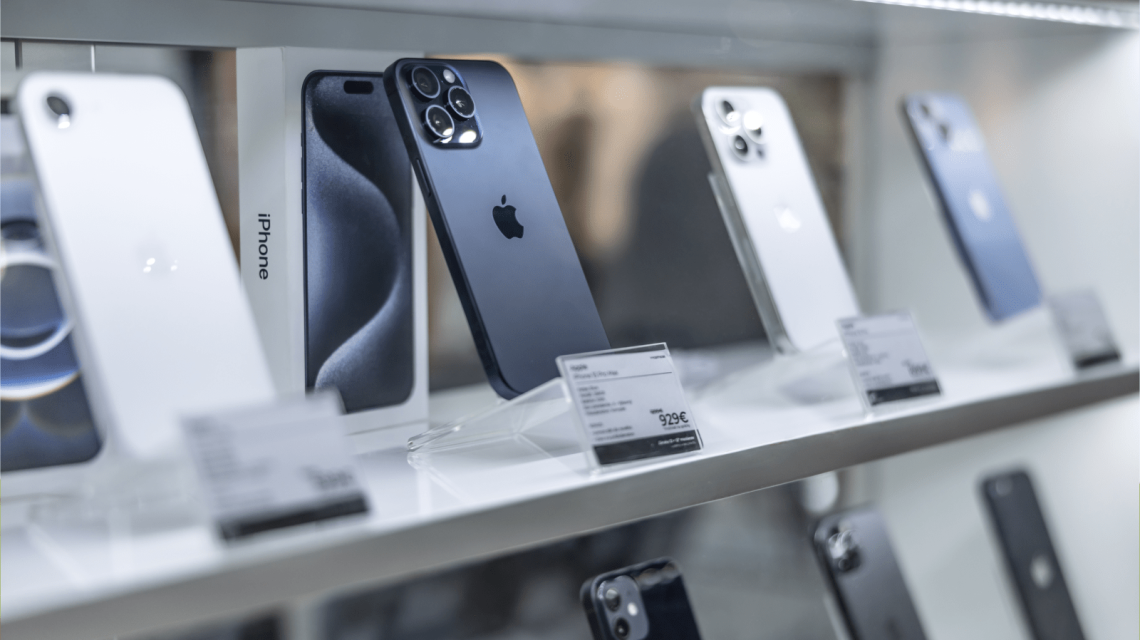
Rising Memory Costs and Its Consequence for Smartphones
The global surge in demand for memory, driven by Artificial Intelligence (AI), is having a significant ripple effect on smartphone pricing. Apple has signaled an impending price increase. CEO Tim Cook stated in a Wall Street Journal interview that the rising costs of memory and storage chips will inevitably elevate prices. The company has attempted to shield consumers from these costs for months, but the situation has become unsustainable due to steep supplier price hikes.
Structural Changes in the Tech Supply Chain
A key factor behind the rising costs is a shift in the tech supply chain. AI-driven data center demand is consuming increasing global memory chip output. This leaves less supply for consumer electronics and is pushing prices higher. Analysts highlight that even large purchasers like Apple now face stiff competition for limited supplies. This marks a turning point where traditional industry mechanisms to smooth over price shocks might falter.
Industry-Wide Price Pressure
The impact will spread beyond Apple. Nabila Popal, IDC’s senior research director for Worldwide Consumer Devices, informed Newsweek that the increased memory costs are prompting a significant revision of forecasts. She expects the global smartphone average selling price to increase by 20%, up from a 14% forecast earlier this year. Popal indicated that vendors across the board are likely to face price hikes, with Android brands, especially those targeting low-end devices, potentially seeing price increases of up to 40%. Premium players like Samsung and Apple may increase prices by around 10%.
Yang Wang, a principal analyst at Counterpoint Research, described the memory shortage as one of the most severe disruptions the smartphone industry has encountered in years. Memory costs are predicted to remain elevated until at least 2027, as industry capacity is redirected toward AI-related products. This uneven distribution of impact will likely affect lower-cost devices more significantly, given that memory represents a larger percentage of their total material cost.
Projected Smartphone Price Increases
While Apple has yet to disclose specific pricing plans, analysts predict uneven price increases across the smartphone spectrum. Entry-level devices, which bear a more substantial burden of rising component costs, could face the sharpest price hikes. Counterpoint Research estimates a 20–30% rise in bill-of-materials for low-end smartphones, whereas mid- and premium devices may see a 10–15% increase.
February forecasts suggested overall smartphone prices would rise between 3–8%. However, component cost increases indicate possible price hikes as follows:
- Premium flagship models from companies like Apple, Samsung, and Google might see prices rise by 5–10%.
- Mid-range Android devices could experience price increases between 10–20%.
- Entry-level Android phones could face price spikes up to 40%, according to Popal.
Analysts caution that these figures are estimations rather than firm predictions. Outcomes might differ significantly across product tiers and regions.
Consumer Impact of Price Hikes
For consumers, these price hikes could bring immediate and widespread consequences. Flagship smartphone buyers might face modest price increases, but even a 6–10% rise could add approximately $70–$150 to high-end handset costs.
More severe impacts are likely for lower-priced segments where margins are thinner, making significant price hikes less absorbable by manufacturers. Rising memory needs driven by AI features and more robust apps mean that reducing specifications to cut costs isn’t a viable option for most manufacturers.
Newsweek editors John Fitzpatrick and Yannick Demoustier are available for further queries on this story.
 Trump Unveils AI-Powered America.gov Platform
  Trump’s 2024 Campaign Targets Young Men Through Cryptocurrency
  How Modern Windows Improve Home Insulation
  State Department Simplifies Passport Process with Online Applications
  Senate Democrats Block Data Center Bill Over Efficiency Concerns
  Future Cities: Ambitious Projects Aiming for Innovation and Sustainability