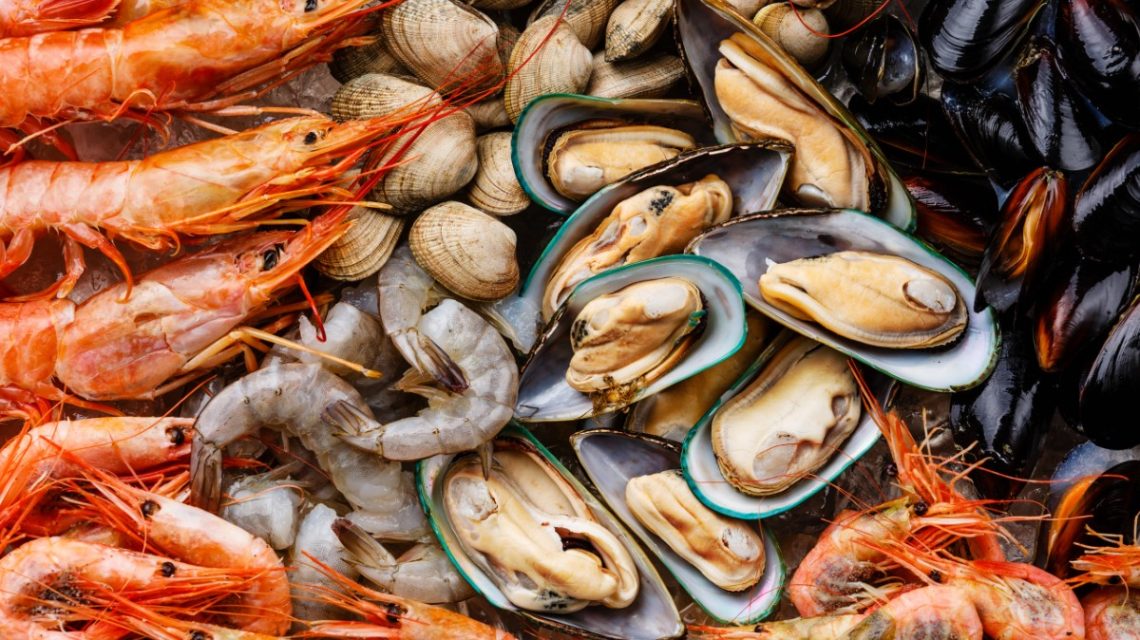
The U.S. Fish and Wildlife Service (FWS) has updated its definition of ‘shellfish’ by removing the requirement for an external shell. The new rule, published on June 23 in the Federal Register, changes language in the Code of Federal Regulations to align with current scientific understanding and industry practice.
Updated Shellfish Definition
Previously, shellfish were defined as any mollusk with an external shell. The revised definition now includes aquatic invertebrates within the phylum Mollusca, such as oysters, clams, squid, octopus, and crustaceans like lobster, shrimp, and crab. Cephalopods, known for lacking external shells, are now clearly classified as shellfish.
Importance for Trade and Regulation
The previous definition led to inconsistent enforcement of import and export rules at U.S. ports, particularly affecting cephalopod shipments. Industry groups emphasized the need for clarity, citing unnecessary regulatory and financial burdens on small businesses involved in squid trade.
In October 2025, the U.S. Small Business Administration’s Office of Advocacy highlighted these challenges, noting that U.S. companies face various fees, like a $93 base inspection rate per squid shipment, among others. They recommended streamlined regulation to eliminate duplicative oversight by the FWS.
The Mid-Atlantic Fishery Management Council also supported the change, citing burdensome licensing and inspections impacting U.S. squid producers, unlike other commercial fishery products.
Impact on Allergy Concerns
While the rule change is regulatory, it aligns with medical practice where cephalopods are considered potential allergens in shellfish allergy contexts. For individuals with shellfish allergies, the update clarifies existing risks without introducing new ones. The rule helps in reducing confusion around labeling and regulatory communication, reinforcing the classification of cephalopods in trade and medical literature.