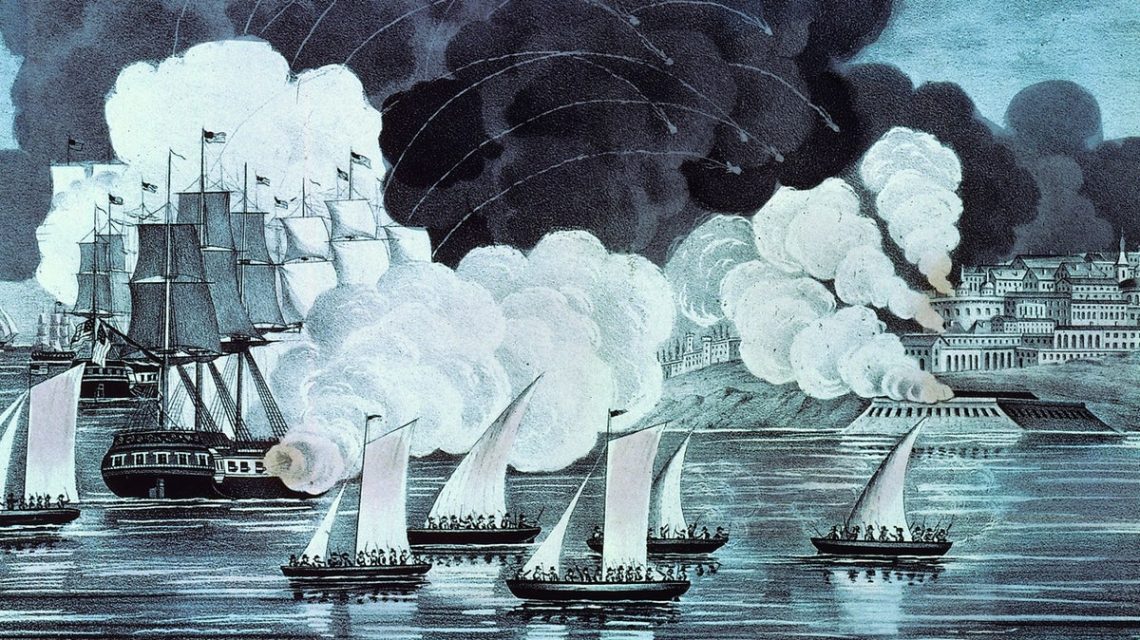
After the War of Independence, George Washington expressed his disdain for paying tribute to the Barbary pirates of North Africa. These pirates targeted American merchant ships in the Mediterranean, capturing crews and jeopardizing U.S. trade. Without naval strength to safeguard foreign commerce, America resorted to paying off the pirates to prevent attacks. A fierce debate arose between John Adams, who supported tribute to avoid conflict, and Thomas Jefferson, who advocated for building military power to combat piracy.
Over two centuries after America declared independence, issues of maritime security continue to challenge the nation. Today, the focus shifts to the Strait of Hormuz, with the Islamic Republic of Iran as the adversary threatening this crucial waterway. Much like the Barbary pirates, Iran demands control over strategic navigation routes.
Historical parallels are evident. In 1786, Sidi Haji Abdul Rahman Adja, the ambassador from Tripoli, claimed sovereignty over the Mediterranean and imposed tolls on those passing through. He justified these demands by stating nations not recognizing their authority were enemies, and insisted on waging war until compliance.
“We ought not to fight them at all, unless We determine to fight them forever.” — John Adams
Adams believed America couldn’t afford endless conflict with the Barbary states, favoring tribute over war to avoid crippling expenses. He suggested gifting pirates sums to preserve trade stability.
Jefferson, however, disagreed, noting that monetary appeasement wouldn’t resolve issues. He argued for a stand against blackmail and stressed the importance of projecting strength to achieve peace through force.
The debate on combating piracy was central to the discussions about forming a unified federal government under the Constitution. Building a navy was paramount. The federalists’ victory enabled the construction of frigates to engage in battles close to Barbary’s shores, leading to the country’s first foreign war, concluded in 1815. America’s triumph ensured safe commerce through the Mediterranean.
“The best way to avoid danger is to be in [a] capacity to withstand it.” — James Madison
The success of the Barbary Wars brought national pride. Monuments were built, cities named after heroes, and the Marines continued to commemorate their victory.
Today, nearly 250 years later, America faces similar dilemmas with Iran and the Strait of Hormuz. While Jefferson’s stance favored military engagement, the Trump administration oscillated between strategies: warfare and economic incentives. The effectiveness of these policies and Iran’s compliance remain uncertain.
Michael Oren, once Israel’s ambassador to the U.S., reflects on these issues in his writings, contemplating historical lessons in managing threats.
 The Threat of Melting Glaciers: A Call to Action
  Police Discover Ancient Roman Artifacts Off Sardinian Coast
  Urgent Need for Action in East Africa’s Food Crisis
  Suspected Plague Death in Siberia Sparks Health Measures
  G7 Nations Agree to Release 100 Million Barrels of Oil Amid Fuel Price Surge
  Co-Pilot Attempts Hijack on Flight to Tel Aviv