
The Cuban population, numbering over 9 million, is grappling with the aftermath of the country’s sixth nationwide blackout this year. This situation underlines the severe impact of the Trump administration’s policies towards Cuba, which include a de facto naval blockade, extensive secondary sanctions against foreign firms, and threats of tariffs on countries shipping fuel to Cuba.
The economic damage is noticeable. Cuban hospitals are struggling with fuel shortages. Food supplies are spoiled in ports and refrigerators. Transportation systems are at a standstill. Many Cubans feel the situation will deteriorate further before it improves.
As debates continue over a possible military intervention in Cuba, the ongoing U.S. economic measures are causing widespread suffering without requiring a public debate like military action would. There’s a significant push in the Senate to pass the war powers resolution, which aims to curb further aggressive policies, encourage diplomatic solutions, and promote economic and political reforms in Cuba.
Unauthorized military actions are seen as potentially damaging, not only to U.S.-Cuban relations but also to the U.S. Constitution itself. The Senate resolution, introduced by Sens. Tim Kaine, Adam Schiff, and Ruben Gallego, offers a sensible approach to limit possible military operations near U.S. shores.
Previous military actions, such as the conflict with Iran, have shown a clear public sentiment against nation-building endeavors that risk American lives and could trigger a refugee crisis near Florida. These actions could further entrench Cuba’s defensive mindset and drag U.S.-Cuban relations back decades.
The debate over military intervention continues, fomented by inflated claims from Secretary of State Marco Rubio about Cuba’s threat level, based on various intelligence reports. Arguments reference alleged foreign intelligence activities and support for terrorism, none of which strongly substantiate the need for military action.
The key remains a negotiated resolution with Cuba, focusing on reducing conflict and enhancing the welfare of Cuban citizens. This approach would align with both diplomatic efforts and constitutional principles, potentially advancing U.S. interests while preventing a humanitarian disaster.
Lee Schlenker is a research associate at the Quincy Institute for Responsible Statecraft, specializing in Latin America.
Copyright © 2026 Nexstar Media Inc. All rights reserved. This material may not be published, broadcast, rewritten, or redistributed.
 Incident on FlyDubai Flight Raises Security Concerns
 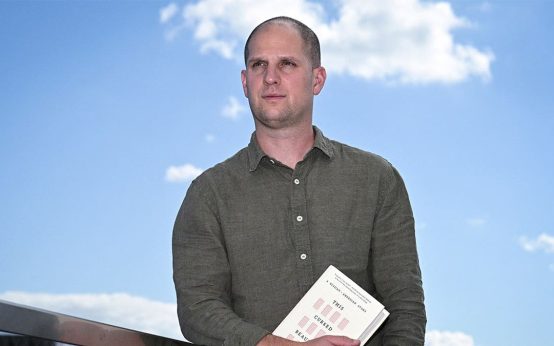 Journalist Gershkovich Discusses Wrongful Detention and Release in Russian Prisoner Swap
  Pakistan Airstrikes in Afghanistan: Civilian Casualties Reported
 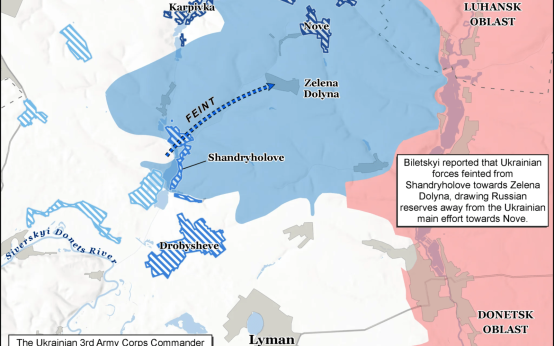 Ukraine Converts APCs to Explosive Devices in Donetsk Offensive
 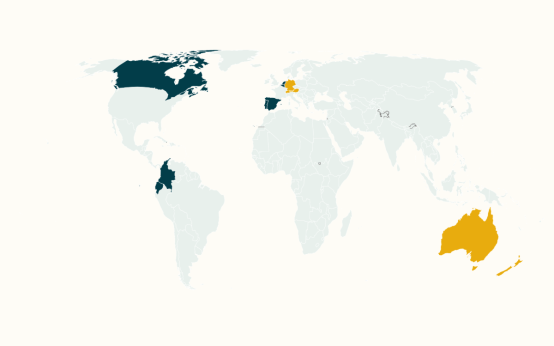 Dutch Review Board’s Euthanasia Ruling and International Debate
 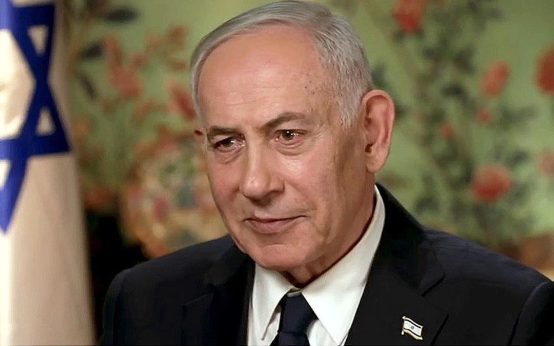 Israeli PM Commends Heroic Actions in Flight Emergency