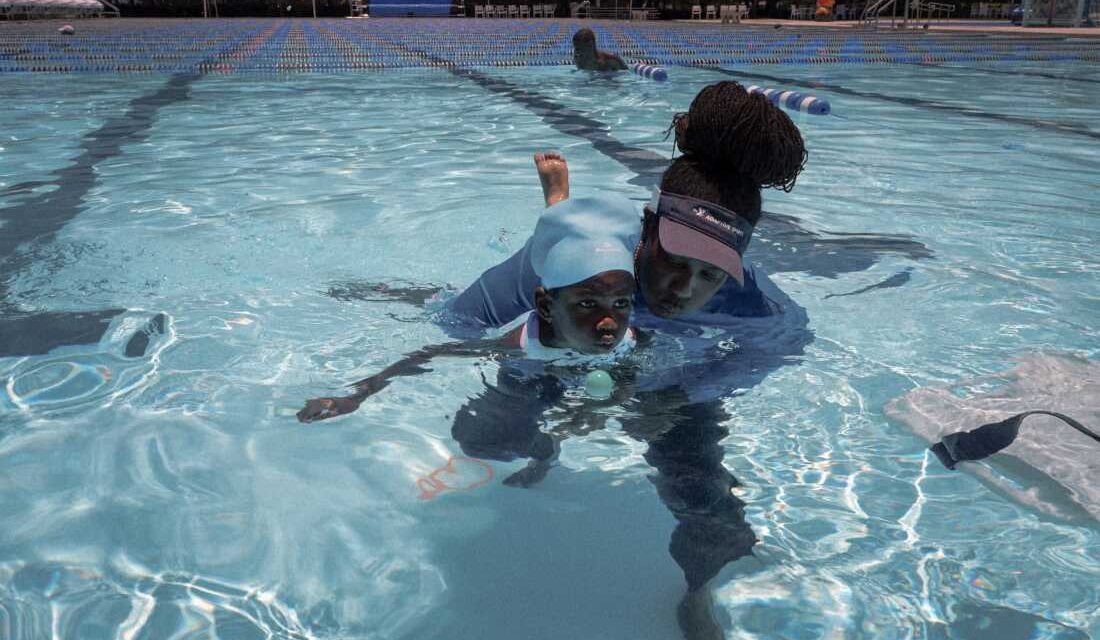
In Weston, Florida, Mackenzie Wesley enjoys her weekly swim lessons, wearing her bright blue Lilo & Stitch swim gear. Like many children with autism, Mackenzie is naturally drawn to water. This love creates both joy and potential risks.
Mackenzie’s father, Steven Wesley, notes her enjoyment of both pools and beaches. However, her mother, Brittany Bucknor, is wary of the associated dangers. Research shows that children with autism are 160 times more likely to drown compared to other children. This statistic is concerning, especially in Florida, where water is prevalent and many drownings occur in backyard pools.
Children with autism often wander away from safe areas. This tendency, along with their attraction to water, can lead to dangerous situations. Quality swim lessons are crucial for prevention. Mackenzie’s enrollment in Swim Buddies, a YMCA program in South Florida, is one attempt to address this risk with low-cost, specialized lessons for children with disabilities.
State Support for Swim Lessons
Florida ranks high in childhood drowning rates. Starting July 1, a state voucher program prioritizes swim lessons for children ages 1-7 with autism. This move, supported by Florida state Rep. Anna Eskamani, aims to reduce preventable tragedies by offering subsidized swim lessons.
The new law means healthcare providers will inform new parents about drowning prevention and available programs. The voucher, covering up to $200, enables access to approximately eight lessons.
A Personalized Approach
The YMCA of South Florida hosts one of the largest adaptive recreational programs for special needs children, including those with autism. Alison Bregman-Rodriguez, vice president of the YMCA, mentions that over 60% of participating youth have an autism diagnosis.
Mackenzie’s parents appreciate the individualized attention, citing the patience and dedication shown by Garland Jones, the program’s leader. Jones emphasizes a holistic approach encompassing physical, emotional, and social aspects.
Personalized instruction makes the program effective. Instructors assess each child’s needs and tailor teaching methods accordingly.
Research and Training
Professor Tania Santiago Perez from Florida International University researches effective swim instruction for children with autism. Her findings indicate significant improvements in swim skills after only a few lessons at the YMCA.
The Swim Buddies lessons emphasize group introductions and trust-building. This social aspect encourages interaction, an area where children with autism typically need support.
Throughout the lessons, instructors stay close by, ensuring the safety and focus of each child. Positive reinforcement, often through toys, aids in learning and engagement.
Challenges and Demand
The demand for specialized swim lessons surpasses supply. Despite the voucher program’s introduction, facilities like the YMCA struggle to accommodate everyone, often relying on additional funding sources.
Garland Jones and Tania Santiago Perez express concerns over insufficient trained instructors. Handling children with unique needs requires expertise and patience.
Even with funding, many families who apply for vouchers do not receive them. Improving access remains a challenge.
Mackenzie’s Progress
As Mackenzie’s lesson concludes, she wraps up with newfound confidence. Her family notes her recent participation in a pool party as a significant milestone. Her confidence and skill development are noticeable.
For Jones, such achievements are fulfilling, marking the success of these programs in allowing children like Mackenzie to safely enjoy their love for water.
 Cargo Plane Crash at Miami International Airport
  Marine Veteran Suing Oregon School District Over Curriculum Reimbursement
  Tennessee Execution Halted as Issues Persist with Lethal Injection Protocol
  Judge Dismisses Case Against Former Olympian Over Lincoln Memorial Incident
  Minnesota Family Files Civil Rights Lawsuit Over ICE Agent Shooting
  Increased Funding Needed for Psychiatric Hospitals