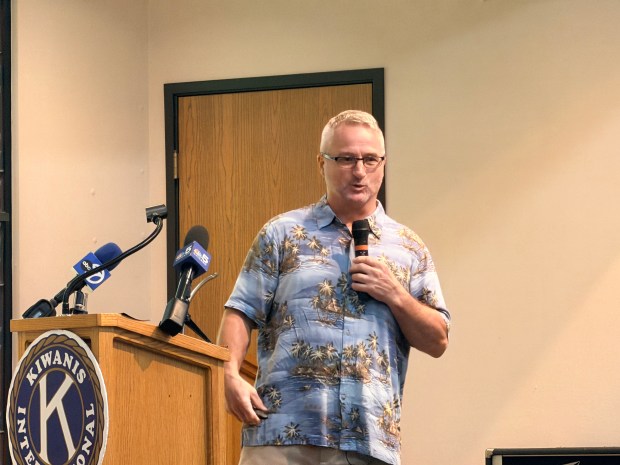
As temperatures rise, many flock to beaches and pools seeking relief. Great Lakes Surf Rescue Project Executive Director Dave Benjamin emphasizes the importance of water safety education. “While everyone knows fire survival tactics, few know water survival techniques. This should be a warning sign,” Benjamin shared with the Valparaiso Noon Kiwanis Club recently. He advocates for integrating water safety education into school curriculums.
Understanding the Statistics
“Four out of five drowning victims are male,” noted Benjamin. Men are likely to take risks, fall prey to peer pressure, and overestimate their abilities. Studies demonstrate females gauge their swimming proficiency accurately, while males typically overestimate theirs by roughly 50 percent.
Benjamin explained, “People who know how to swim drown at higher rates than non-swimmers,” underlining the importance of recognizing one’s limits. If you do not swim laps in a pool, you might be a wader rather than a swimmer. Activities such as playing catch or volleyball seldom involve actual swimming.
For 80% of Americans claiming swimming proficiency, most cannot swim the length of a pool in calm water. This is crucial to understand, especially in lakes. Benjamin pointed out that the southern end of Lake Michigan is particularly hazardous due to its population and geographical characteristics. High winds can push individuals into the lake or a rip current. “In open water, wind and waves are factors,” he warned.
Water safety is not common sense.
Personal anecdotes reveal that even experienced swimmers can fall victim to drowning. Before founding the Rescue Project, Benjamin faced a life-threatening scenario. “Fighting the urge to inhale and struggling underwater was a significant challenge,” he said, emphasizing that panic can quickly escalate a dangerous situation.
Benjamin’s extensive swimming background did not shield him from danger, leading him to dedicate his life to promoting water safety. “Since my childhood, swimming lessons at the Aqua Center and YMCA have been a part of my life,” he remarked.
The Ongoing Challenge of Drownings
Drownings continue despite Benjamin’s efforts. His presentation noted 1,445 Great Lakes drownings since 2010, a number that quickly becomes outdated. Tragically, more recent incidents highlight ongoing risks. In one occurrence at a bachelor party, two men drowned due to a lack of water safety knowledge.
In another incident, 13-year-old Keegan Roberts drowned in Lake Michigan despite warning flags. Sadly, a lapse in school water safety programs due to funding affected awareness efforts.
The World Health Organization labels drowning a neglected public health issue. Statistically understanding who drowns and why is crucial. The Great Lakes Surf Rescue Project website tracks drownings to inform prevention strategies.
Addressing the Valparaiso Kiwanis Club, Benjamin highlighted that drowning is now the leading cause of unintentional deaths for children ages 1 to 4. Proper supervision is necessary, as even a brief distraction can lead to tragedy.
In emergencies, Benjamin advised reaching for the person in the water, or throwing life-saving devices. As a near-drowning victim requires both rescue breaths and compressions during CPR, he emphasized the need for comprehensive training.
The Great Lakes Surf Rescue Project offers training for lifeguards and others seeking water safety education.
Doug Ross contributed this report for the Post-Tribune.
 Understanding Alaska’s Housing Shortage Amidst Stagnant Population Growth
  Trump’s Daily Aspirin Habit and Its Implications
  FBI Director Kash Patel Announces Engagement to Country Singer Alexis Wilkins
 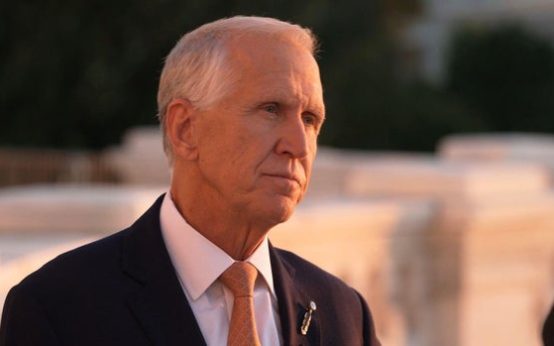 Sen. Thom Tillis Criticizes Trump’s Administration in New Book
  Metrolink Fare Hike Causes Discontent Among Commuters
  Tragic Shooting at Georgia Homecoming Block Party