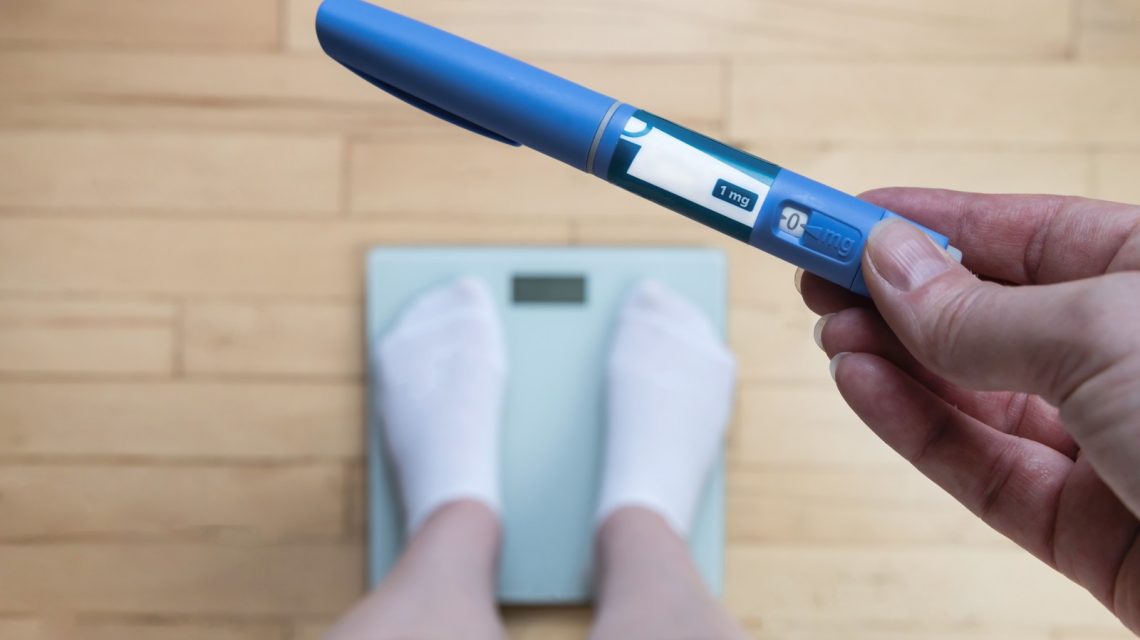
My father, Martin Luther King Jr., once asserted that among all forms of inequality, the injustice in health care stands as the most shocking and inhumane. Today, those words resonate with one of the significant public health issues in our nation. Many families across America are impacted by obesity, which frequently affects low-income and minority communities. Despite this, access to effective treatments remains limited for many of these individuals.
This is not just a health care matter—it is about fairness and equal opportunity. States like California restricting coverage for GLP-1 obesity treatments highlight a growing national concern. Effective care is often only accessible to those who can afford it.
The principle of health care equality loses significance if obesity treatments are mainly available to those with private insurance or financial means. Thus, the system appears skewed, relying heavily on income for treatment access.
Obesity has links to several chronic illnesses, such as heart disease, stroke, diabetes, and hypertension. These conditions not only shorten lives but also impose significant financial burdens on families and the health care system. Recent advancements in treating obesity offer new hope for many Americans, aiding them in managing the disease more effectively. For many patients, treatment is not about aesthetics but accessing medically necessary care.
Families report improved health and increased energy levels. Parents can become more active, workers stay healthier, and patients finally witness progress after ineffective treatments. Nonetheless, hope is meaningless if access is limited to the financially capable.
“When Medicaid fails to cover obesity treatment, low-income patients often wait until their health deteriorates. This delay shifts costs to emergency care, not saving money.”
Policymakers must acknowledge obesity treatment as essential health care, not a luxury. This is vital in communities with high obesity rates. It’s impossible to reduce health disparities while denying access to promising treatments.
Sadly, stigma still heavily influences discussions about obesity. Judgment rather than empathy often meets those living with obesity, unfairly moralizing the disease. It deserves the same seriousness as other chronic illnesses, like cancer. Health care access should not hinge on one’s ZIP code, insurance, or income. Medicaid exists because care should not be wealth-dependent. Excluding obesity treatment contradicts its mission.
Policymakers face a clear question: Who deserves access to modern medicine? Building a healthier nation requires not abandoning the most burdened communities. Expanding Medicaid to include obesity treatment won’t solve all health care issues, but it’s a crucial step to ensure all Americans benefit from medical progress.
Ultimately, our societal value lies not in allowing the fortunate access to lifesaving care, but in extending that care to those who most need it.
Martin Luther King III is known for his role as a global humanitarian and activist.
The views in this article are his own.
 Sugary Drinks Linked to Higher Risk of Stomach Cancer
  Neuroradiologist Discusses Newly Approved Parkinson’s Therapy
  Healthcare Workers’ Strikes Highlight Nationwide Violence and Staffing Issues
  Escalating Ebola Outbreak in Congo: 5,000 Cases and Counting
  Understanding SNAP Benefits Distribution in September 2026
  Leisure-Time Activity Lowers Dementia Risk While Occupational Activity Raises It