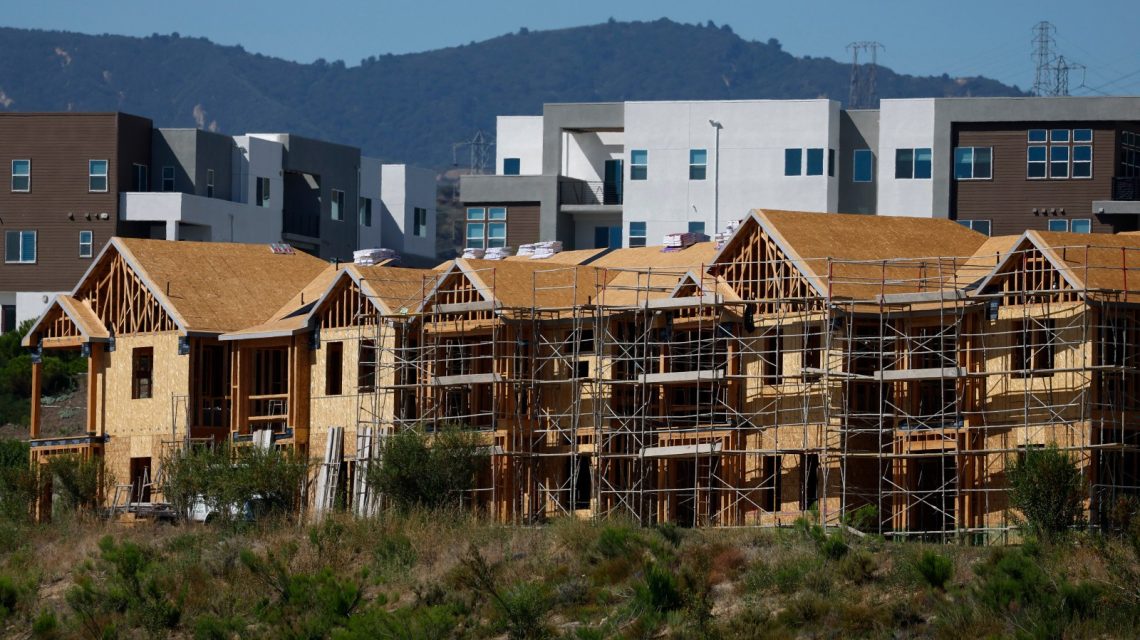
Scope of the Affordable Housing Gap
A new study by the National Multifamily Housing Council and NYU Urban Lab reveals a severe affordable housing gap in the U.S. It estimates that bridging this gap in 38 of the country’s 51 biggest metropolitan areas will take over a century at the current pace of construction.
More than half of all renter households, totaling over 22.4 million, are rent-burdened. This means they spend over 30% of their income on housing. A primary factor behind this is the shortage of affordable rental options, forcing higher income sectors to overpay for housing. For extremely low-income households, private housing remains unaffordable without subsidies.
Critical Need for Reform
The study stresses that significant reform is needed to resolve this crisis, suggesting solutions are generations away without changes. St. Louis represents the worst case, where the gap could take nearly a thousand years to close. This area contrasts with New York City, where the gap is estimated at 169 years, displaying a stark difference between regions.
Interestingly, recent housing developments around New York City show more success in catering to lower-income renters compared to St. Louis. Discussions on rent growth often overlook these disparities.
“The rental affordability crisis is not one issue—it’s multiple, each requiring different solutions,” Caitlin Sugrue Walter, NMHC’s senior vice president of research and innovation, stated.
While New York City hasn’t completely fixed its housing problems, efforts like Mayor Zohran Mamdani’s “Block By Block” plan have helped by freezing rent on rent-stabilized apartments, easing some market pressures.
However, constructing market-rate apartments lowers average rents, but doesn’t automatically provide options for extremely low-income households, who still rely on subsidies.
Timeframes for Closing the Gap
Here are the estimated timelines for closing the affordable housing gap:
- Raleigh-Cary, North Carolina: 45 years
- Charlotte-Concord-Gastonia, North Carolina–South Carolina: 45 years
- Cleveland, Ohio: 49 years
- Salt Lake City-Murray, Utah: 50 years
- Buffalo-Cheektowaga, New York: 52 years
- Minneapolis-St. Paul-Bloomington, Minnesota–Wisconsin: 58 years
- Seattle-Tacoma-Bellevue, Washington: 74 years
- Pittsburgh, Pennsylvania: 78 years
- San Antonio-New Braunfels, Texas: 88 years
- Austin-Round Rock-San Marcos, Texas: 90 years
- Louisville/Jefferson County, Kentucky–Indiana: 91 years
- Denver-Aurora-Centennial, Colorado: 93 years
- Indianapolis-Carmel-Greenwood, Indiana: 98 years
The metros where the longest closure time is predicted include:
- St. Louis, Missouri–Illinois: 956 years
- Kansas City, Missouri–Kansas: 630 years
- Birmingham, Alabama: 526 years
- Detroit-Warren-Dearborn, Michigan: 521 years
- Houston-Pasadena-The Woodlands, Texas: 505 years
- Dallas-Fort Worth-Arlington, Texas: 474 years
- Grand Rapids-Wyoming-Kentwood, Michigan: 413 years
- Oklahoma City, Oklahoma: 406 years
- Columbus, Ohio: 389 years
- Boston-Cambridge-Newton, Massachusetts–New Hampshire: 363 years
Potential Solutions for Closing the Gap
The affordable housing shortage is primarily due to the high costs and low profitability of building such homes. High barriers and costs deter private builders from entering these markets. As a result, the demand remains unmet, pushing prices higher.
Development costs since the 1970s have surged by three to 20 times, further exacerbating rent increases. Currently, housing production averages 1.4 million units a year, which is more than 600,000 units short of the 1970s pace.
The National Multifamily Housing Council and NYU Urban Lab recommend reducing local regulations to cut production costs, promoting new construction and preserving housing affordability.
These measures alone won’t completely solve the crisis, but coupled with developing subsidized rental housing, expanding rental assistance, and utilizing vacant homes, the gap could close within a generation.
Contact Newsweek editors: Matthew Robinson and James Debens for more insights on this story.
 Navigating the Challenges and Opportunities of Condo Ownership in California
  Understanding Alaska’s Housing Shortage Amidst Stagnant Population Growth
  Navigating Los Angeles Real Estate on a Budget
  Mortgage Rates Return Above 7% After Twenty Months
  Inland Empire Grapples with Growing Housing Affordability Concerns
  Challenges in Los Angeles’ Multifamily Housing Market