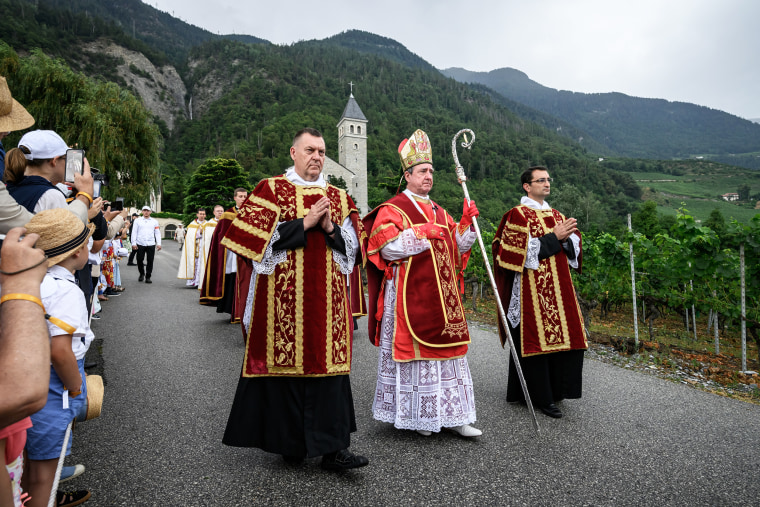
The Swiss settlement of Econe recently witnessed a significant act that has stirred the Catholic Church’s foundations. In a carefully orchestrated five-hour ceremony, attended by robed priests and broadcast globally, the Society of St. Pius X (SSPX), an ultraconservative faction, consecrated four new bishops without Papal permission.
This week’s ceremony saw around 15,000 attendees, following which the Vatican excommunicated six bishops from the Society. The Society, founded in resistance to the Second Vatican Council reforms, has long opposed modernization within the Church.
The Ceremony and its Implications
During the recent event, SSPX appointed Pascal Schreiber from Switzerland, Michael Goldade from the U.S., along with Michel Poinsinet de Sivry and Marc Hanappier from France, as bishops. Bishop Alfonso de Galarreta, who himself was consecrated without papal approval in 1988, officiated, invoking an ancient Christian ritual that symbolizes the continuation of apostolic tradition.
Pope Leo XIV had previously warned against this act, labeling it as a “sin of extreme gravity.” His letter to Rev. Davide Pagliarani, SSPX’s superior, emphasized the adverse effects on the faithful, who would be deprived of valid sacraments.
The schismatic act you are about to undertake would deprive them of the licit and, in some cases, even valid reception of the Sacraments.
The appeal was disregarded. The ceremony proceeded with livestreams and translations, showcasing the Society’s preference for the traditional Latin Mass over modern services.
Background of the SSPX
Named after Pope Pius X, SSPX was founded by Archbishop Marcel Lefebvre in 1970. Lefebvre opposed the Second Vatican Council’s changes, especially the allowance of Mass in local languages. He viewed these changes as detrimental to the Church’s essence.
Despite Vatican opposition and Lefebvre’s excommunication in 1988 for consecrating bishops without approval, SSPX has grown, establishing seminaries, schools, and retreat centers worldwide. It boasts six bishops, hundreds of priests, and a global presence.
Attempts and Challenges of Reconciliation
Pope Benedict XVI attempted reconciliation by liberalizing the old Latin Mass and lifting SSPX excommunications. However, this led to controversy when Bishop Richard Williamson made Holocaust denial remarks. Pope Francis later reauthorized SSPX priests for confessions and legitimate marriages, reversing these concessions after the recent act of defiance.
Pope Leo aimed to foster unity while maintaining firmness. He acknowledged SSPX’s decision and emphasized acceptance of its consequences.
Historical Schisms
The Church has faced several significant rifts. The East-West Schism of 1054 divided the Catholic and Eastern Orthodox churches, initiated by mutual excommunications between Pope Leo IX and Patriarch Cerularius. In the 16th century, the Reformation led by Martin Luther laid the foundation for Protestantism, another major branch of Christianity.
 Urgent Need for Action in East Africa’s Food Crisis
 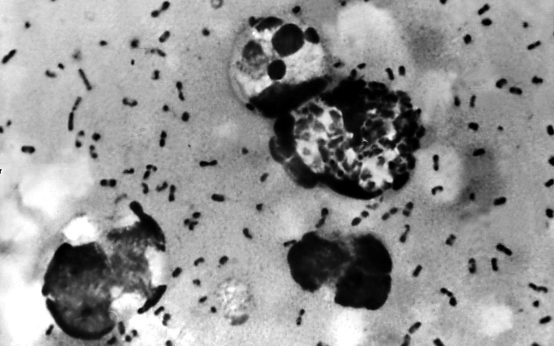 Suspected Plague Death in Siberia Sparks Health Measures
  G7 Nations Agree to Release 100 Million Barrels of Oil Amid Fuel Price Surge
  Co-Pilot Attempts Hijack on Flight to Tel Aviv
 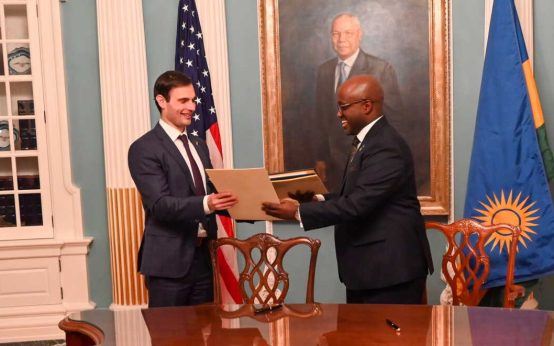 U.S. Revises Global Health Aid with New Strategy
 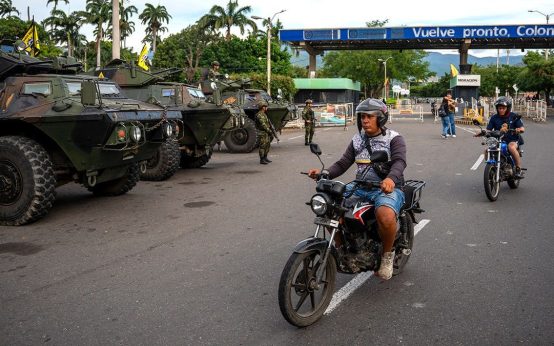 U.S. Warns Against Travel to Colombia’s Norte de Santander Due to Security Threats