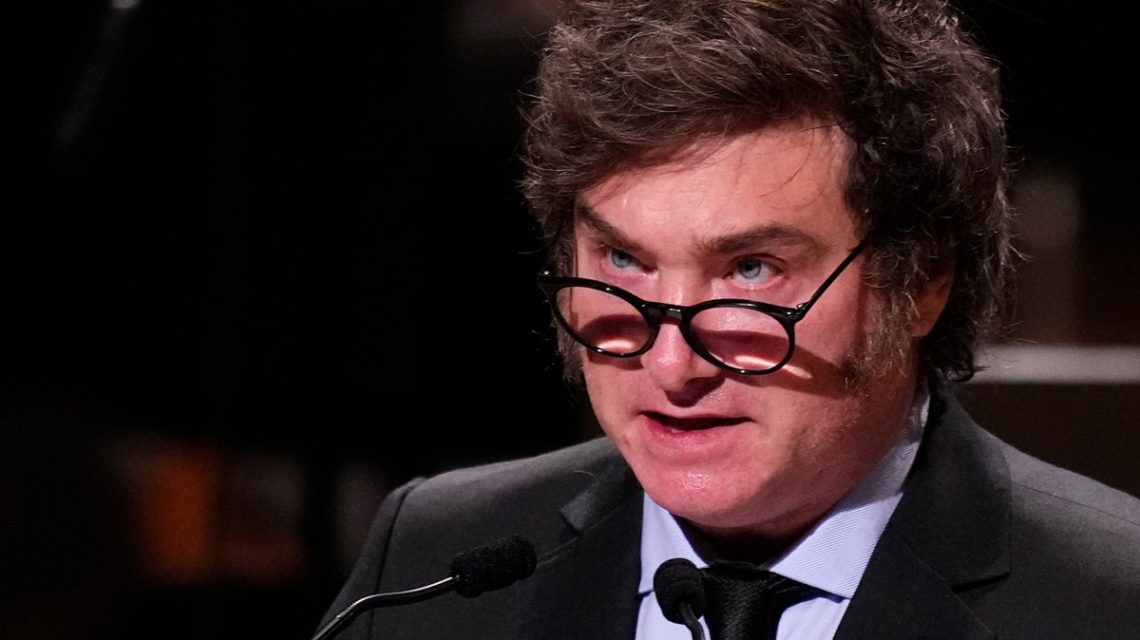
Donald Trump recently congratulated Abelardo De La Espriella, known as ‘El Tigre,’ amidst early voting results in Colombia. Although official results are still pending, the narrow lead suggests a potential rightward political shift in the nation. This change is part of a larger trend across Latin America, where several countries have embraced right-leaning governments aligned with the United States.
Countries like Argentina, Chile, Paraguay, Peru, Colombia, Honduras, El Salvador, Ecuador, and the Dominican Republic have seen a move towards governments that focus on security and align more closely with U.S. strategic interests. In contrast, Mexico, Brazil, Uruguay, and a few others remain exceptions to this shift. Cuba, Nicaragua, and Venezuela continue to maintain their authoritarian regimes.
This shift has resulted partly from U.S. policy changes, which now treat the hemisphere as a vital security perimeter. The fall of Maduro in Venezuela served as a turning point, demonstrating to the region the potential of U.S. pressure and intervention. Fuel crises in Cuba and conflicts such as the Iran war further impacted regional politics, influencing factors like energy prices and domestic security policies.
Many voters in Latin America are reacting not to traditional conservative ideals but to a sense of vulnerability. With rising crime and perceived government inadequacies, voters have begun prioritizing forceful action over ideals, leading to the popularity of leaders like El Salvador’s Nayib Bukele, who emphasize visible displays of power and security measures.
In Colombia, Abelardo De La Espriella has gained support due to longstanding issues like legislative gridlock and rural violence. His image aligns with the hardline U.S. stance and promises decisive action. Similarly, in Peru, Keiko Fujimori has found success not through new ideologies but by presenting a security-focused platform amid political instability and voter fatigue.
Countries such as Colombia and Peru have not witnessed overwhelming support for their rightward shift; however, the narrow election victories indicate a strong desire for order amid institutional fractures. Trump’s role in this regional realignment has provided a geopolitical framework that positions alignment with Washington as a sign of seriousness and protection.
For the U.S., this realignment holds strategic importance. Better cooperation on issues like counternarcotics, migration, and reducing Chinese influence could restore America’s leverage in the region. However, the challenge remains to build strong democratic institutions rather than just exhibiting power through dominant leaders.
The true test for Latin America’s rightward swing will be in governance, meeting public demands for order while ensuring institutional robustness beyond the influence of a single leader.
 Sen. Cotton Opposes Permanent Daylight Saving Time
 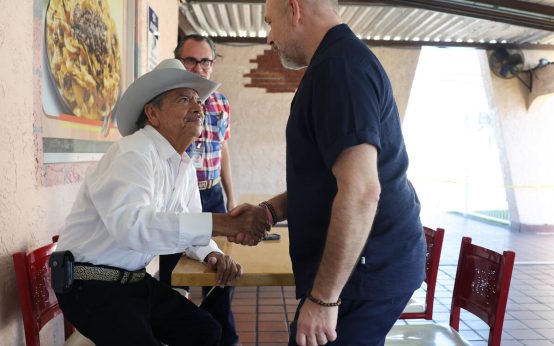 Steve Hilton’s Latino Outreach and Gubernatorial Ambitions
 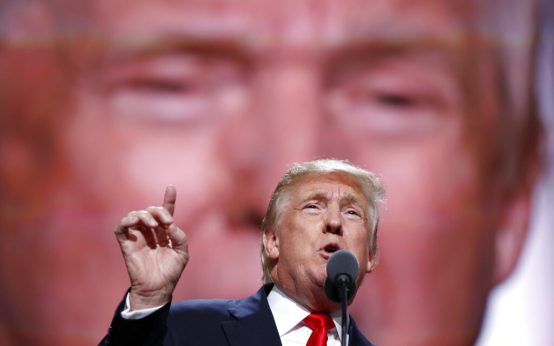 The Need for Reform in Presidential Nominations
  Controversy Surrounds Performances at Gillette Stadium
 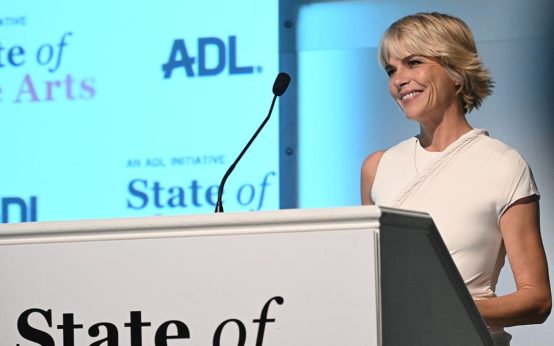 Celebrity Controversies Over Political Activism and Speech
  The Threat of Melting Glaciers: A Call to Action