
The Justice Department has responded to James Comey’s attempt to dismiss charges against him, claiming it to be a case of vindictive prosecution. The motion, filed recently, focuses on an incident where Comey allegedly threatened the life of former President Donald Trump through a social media post. The department contends that this act was an intentional move to generate controversy and increase the sales of Comey’s upcoming novel.
Comey, who served as the FBI director until 2017, faces legal challenges following these allegations. The Justice Department’s position underscores the seriousness with which they are treating this accusation against Comey. The government’s response highlights the broader implications of such public statements made by individuals in positions of former authority, particularly in the context of national security and public discourse.
As the legal battle unfolds, it raises questions about the boundaries of free speech and the potential repercussions of using public platforms for particular statements. The situation also underscores the complex relationship between political figures and the justice system in recent years.
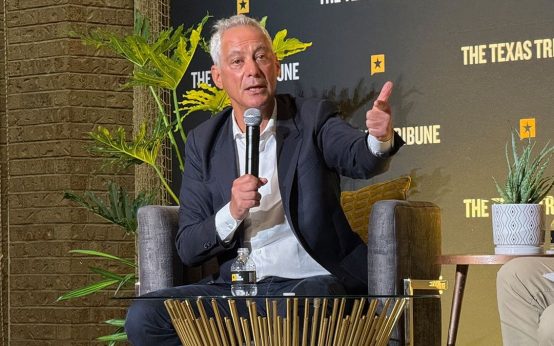 Rahm Emanuel Advises Against Impeaching Trump and Calls for Ethics Reforms
 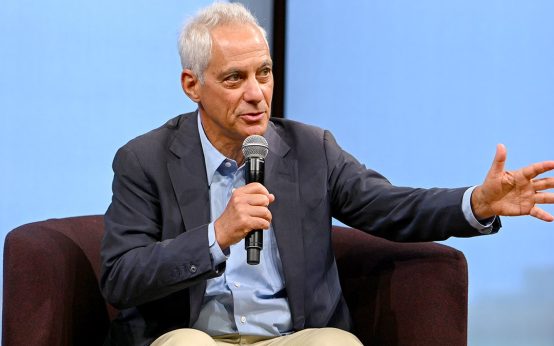 Rahm Emanuel Discusses Potential Presidential Run and Jewish Identity
  JD Vance’s Influence Grows as 2028 Speculations Arise
  Laura Ingraham Criticizes Democratic Policies on ICE and Immigration
 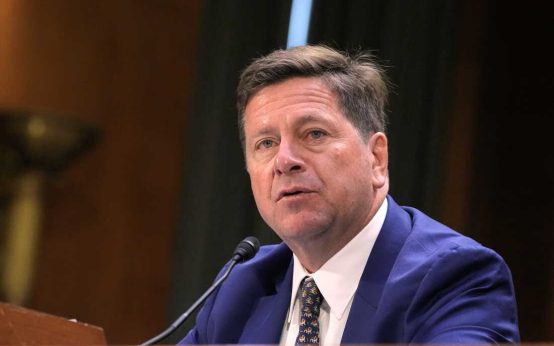 Jay Clayton Appointed as White House AI Czar
  Debate Over Democratic Socialism Intensifies Within Democratic Party