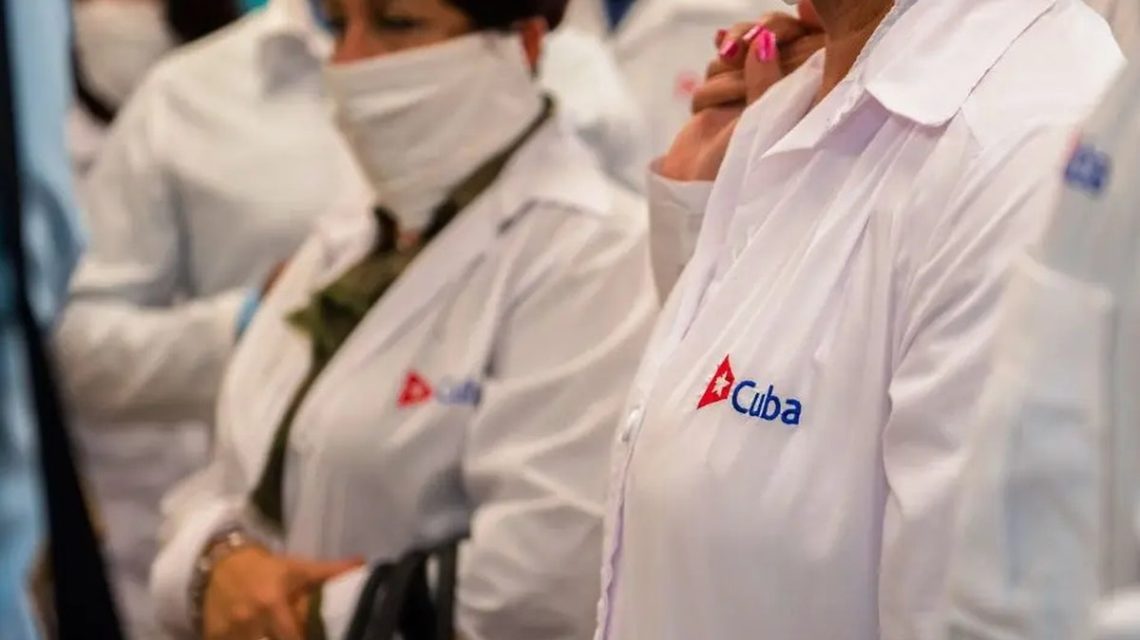
A new law, introduced by Rep. Mario Díaz-Balart and approved by Congress in February 2026, is aimed at penalizing countries involved in the human trafficking of Cuban doctors. These doctors are sent abroad by the Castro regime under exploitative conditions. The legislation for the fiscal year 2027 awaits a vote in the House.
For many years, the Cuban government has profited significantly, earning between $4-8 billion annually by sending medical personnel to regions under challenging conditions. However, the doctors receive only a fraction of their earnings, with the regime pocketing 75-95% of the funds.
US Sanctions Cuban Entities
The U.S. State Department reports that the Cuban regime confiscates passports, holds families in Cuba as leverage, assigns overseers to monitor the doctors, and punishes families if doctors defect. Since 2010, these reports have labeled the program as exploitative, and in 2020, it was officially termed “human trafficking” or “forced labor.”
A provision in the Consolidated Appropriations Act of 2026 focuses on countries that pay for these Cuban medical workers. The law mandates the State Department to list these countries and notify them. If a country remains on the list for two years consecutively, it faces the loss of U.S. foreign aid. Moreover, foreign officials involved can be denied entry into the U.S., and their assets in the country may be frozen.
Impact of the Legislation
This legislation is already influencing nations like Guatemala, Jamaica, Guyana, St. Vincent and the Grenadines, Paraguay, and Honduras, which are reducing or halting their reliance on Cuban doctors. The Bahamas is attempting to pay doctors directly rather than the regime, a move previously rejected by Cuba. Meanwhile, visa restrictions have been imposed on officials from Brazil, Grenada, and certain African countries associated with the program.
Díaz-Balart asserts that this law demands accountability that previous Democratic administrations overlooked. It penalizes those benefiting from the program with significant consequences, such as the loss of U.S. aid, travel restrictions, and financial penalties. The legislation supports the Cuban people by protecting doctors from exploitation and depriving the regime of an essential financial stream.
Rep. Mario Díaz-Balart serves as vice chair of the House Appropriations Committee and chairs its Subcommittee on National Security, Department of State, and Related Programs.
 The Trump Team’s Challenge to the Military Leadership
  Maryland First State to Restrict Electronic Pricing in Grocery Stores
  Activists Push for Nationwide Ban on Child Marriage in the U.S.
 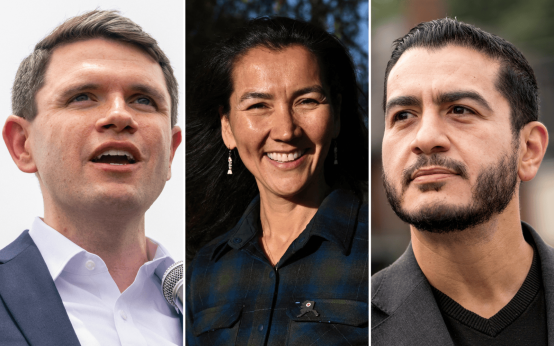 Democratic Hopes and Historical Warnings in 2026 Senate Race
  Republicans Face Challenges Amidst Cost of Living Concerns
  A Different Kind of Fall for Congress This Year