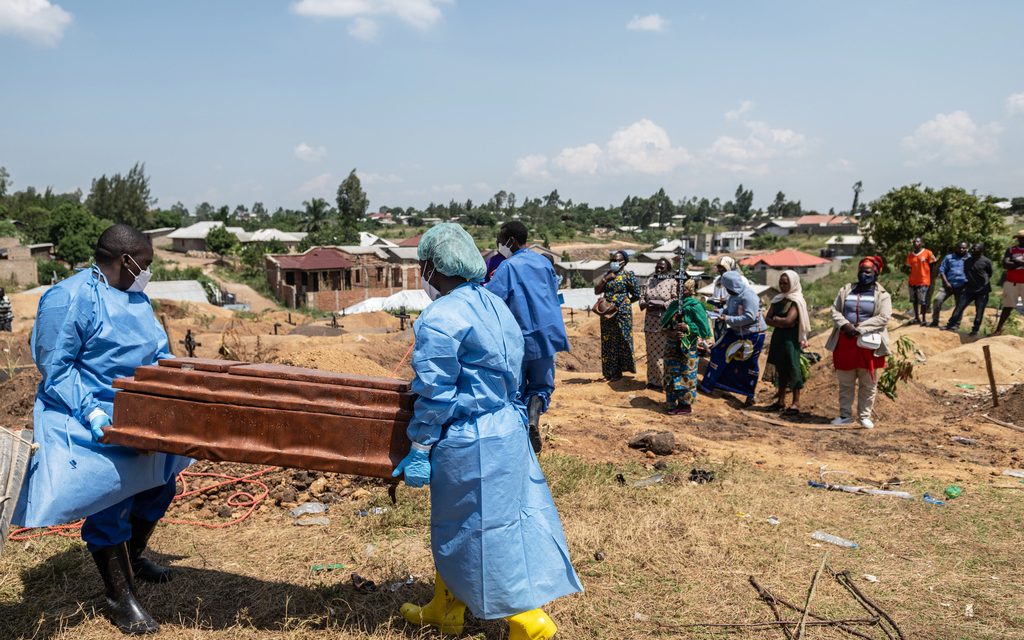
Red Cross workers in Bunia, Congo, are facing the heart-wrenching task of burying a six-month-old, Vanisa Anifa, who succumbed to Ebola. The Trump administration’s response to the Ebola outbreak in Central Africa is under scrutiny. The Department of Government Efficiency, led by Elon Musk and overseen by Secretary of State Marco Rubio, has reportedly dismantled much of the U.S. foreign assistance infrastructure.
According to The Hill and other news sources, the absence of a coordinated international health response puts the United States at risk. A University of Chicago study highlights increased conflicts in African nations dependent on U.S. aid. It reports a 12.3% rise in conflict-related events, a 7.3% increase in battles, and a 6.8% rise in protests and riots.
In the eastern Democratic Republic of the Congo, public health responders face severe challenges. Decades of conflict have left the population wary of outsiders and weakened health facilities. These issues underscore the importance of American investments in conflict mitigation and violence prevention. The U.S. Agency for International Development (USAID) once shared this responsibility with departments now affected by cuts.
The less-publicized aspect of U.S. foreign aid combined disease prevention with humanitarian efforts to save lives and address overseas threats before they spread to American shores. Former directors of USAID’s conflict management office helped build the government’s capacity for peacebuilding and aiding local peacebuilder networks.
Their work minimized the escalation of local disputes into violent conflicts. Lessons from regions like Iraq, Afghanistan, and Colombia helped ensure careful spending of U.S. taxpayer dollars. USAID trained peacebuilders to identify conflict risks and design effective programs.
As Congress reviews a $1.5 trillion military spending request for fiscal 2027, investments in peacebuilding, which averaged a few billion dollars annually, seem largely erased. The State Department, needing conflict prevention support, now lacks targeted programs for local groups in regions like Sub-Saharan Africa.
International health threats and instability persist. Congress can revive U.S. commitments to development with a focus on conflict prevention. Ironically, former Senator Rubio supported such missions before overseeing their decline. Elisabeth Kvitashvili, Neil Levine, Ryan McCannell, and Don Chisholm, past directors of USAID’s conflict office, emphasize it’s not too late to reconsider these pivotal decisions.
 Strategies for Democrats Leading Up to Election Day
 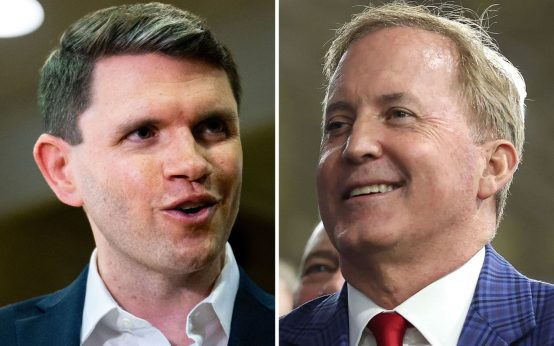 Texas Senate Race: The Impact of Trump on Ken Paxton’s Campaign
 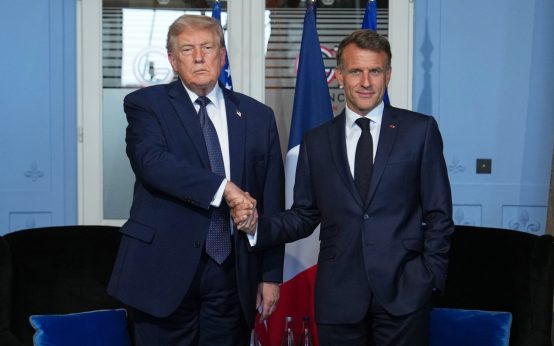 G7 Nations Agree to Release 100 Million Barrels of Oil Amid Fuel Price Surge
 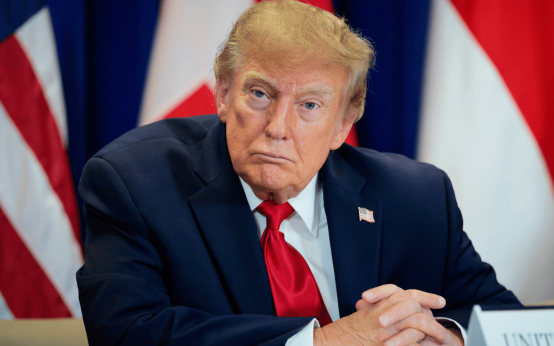 Trump’s Approval Rating Struggles Ahead of Midterms
  Texas Senate Nominee Faces Criticism Over Use of Christian Morals
  Record Number of Native Candidates in Elections