
A former Democratic commissioner of the Equal Employment Opportunity Commission (EEOC) withdrew her lawsuit on Monday. Jocelyn Samuels challenged her dismissal by President Donald Trump. However, a recent Supreme Court decision increased presidential control over independent agencies.
Trump’s removal of Samuels and another Democrat from the EEOC allowed for changes in civil rights enforcement. These changes include reducing diversity and inclusion practices and cutting protections for transgender workers. The focus shifted to discrimination claims against white and U.S.-born workers.
The EEOC advanced these plans by releasing a regulatory agenda. Proposals include ending the annual collection of workplace demographic data. Additionally, there is a plan to rescind guidance warning against requiring workers to speak only English. Trump’s initial actions dismantled the Democratic majority on the EEOC, removing barriers to his civil rights agenda. His dismissal of Samuels and Charlotte Burrows, mid-term, was unprecedented since the EEOC’s inception by the 1964 Civil Rights Act.
The EEOC currently has two Republicans and one Democrat. Trump has not yet nominated candidates for two open seats. Samuels argued that Congress intended EEOC commissioners to serve staggered terms. The aim was to ensure “continuity, stability, and insulation from political pressure.” Yet, Samuels stated, the Supreme Court ruling left her without a way to contest her termination.
The Supreme Court upheld Trump’s authority to dismiss independent agency heads. This decision overturned a 91-year-old precedent limiting presidential power. EEOC Chair Andrea Lucas supported the Court’s ruling, highlighting the EEOC’s role as an executive branch agency.
An EEOC spokesperson announced the agency’s commitment to Trump’s civil rights agenda. The agenda aims for evenhanded enforcement of federal civil rights laws. However, EEOC’s sole Democratic commissioner, Kalpana Kotagal, opposed the agenda. She stated that the changes weaken civil rights protections and undermine enforcement efforts.
The proposed agenda includes ending a 40-year requirement. Companies with over 100 employees, or federal contractors with at least 50 workers, previously submitted workforce demographic data. Lucas warned against using this data to justify diversity practices. She cited financial and administrative burdens on employers as reasons for rescission.
The EEOC will subject the rescission to public commentary. Critics argue demographic data suggests discrimination causes workforce imbalances. Supporters believe the data identifies discrimination patterns and guides EEOC priorities. According to Kotagal, “The EEOC has collected this data for six decades. It’s difficult to understand the agency’s move given staffing and funding challenges.”
The EEOC also plans to rescind 1980 guidelines on national origin-based discrimination. These guidelines discourage English-only requirements, which could create discriminatory environments. The EEOC calls the guidelines outdated and argues they incorrectly presume English-only rules violate Title VII in certain cases.
Last week, the EEOC removed guidelines on voluntary affirmative action. These guidelines allowed for programs improving job opportunities for women and minorities without violating Title VII of the Civil Rights Act. The EEOC now takes a different stance, suggesting such programs may violate Title VII.
The EEOC also aims to revise regulations for the Pregnant Workers Fairness Act. This law allows women to seek workplace accommodations for pregnancy. Lucas opposed Biden-era regulations, particularly those including abortion as a circumstance for accommodations, such as medical leave.
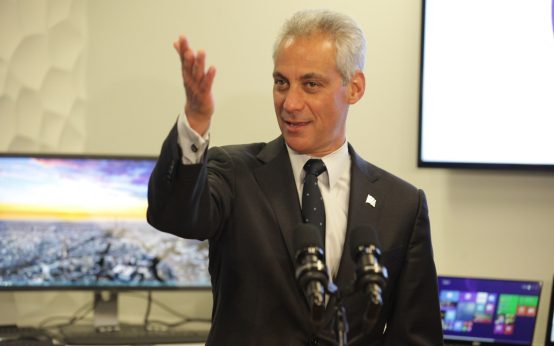
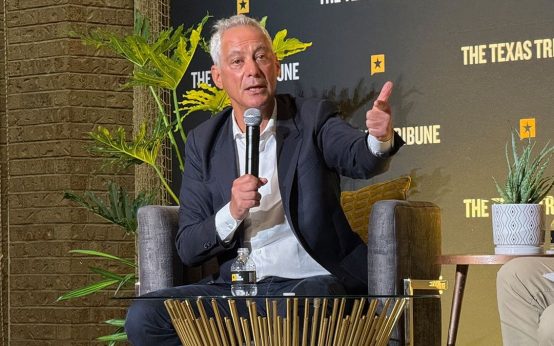 Rahm Emanuel Advises Against Impeaching Trump and Calls for Ethics Reforms
 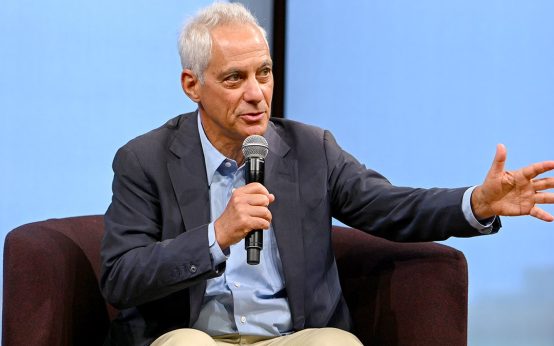 Rahm Emanuel Discusses Potential Presidential Run and Jewish Identity
  JD Vance’s Influence Grows as 2028 Speculations Arise
  Laura Ingraham Criticizes Democratic Policies on ICE and Immigration
 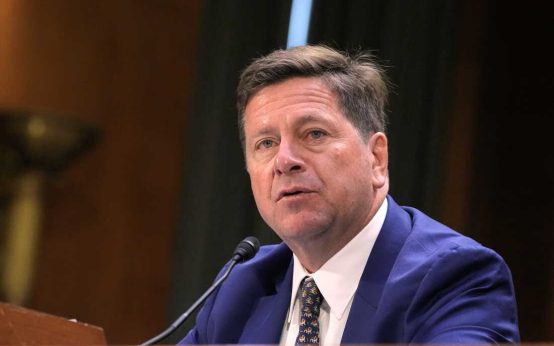 Jay Clayton Appointed as White House AI Czar
  Debate Over Democratic Socialism Intensifies Within Democratic Party