
Government Oversight in AI Model Deployment
The U.S. government has enforced regulations for advanced AI models, influencing tech leaders such as OpenAI and Anthropic. This development marks a shift in policy, requiring these companies to comply with governmental oversight in deploying their AI technology.
OpenAI’s Response to Government Regulations
OpenAI’s CEO Sam Altman has highlighted concerns about the government choosing the clientele for AI tools, emphasizing the importance of national security in these decisions. OpenAI’s latest model, GPT-5.6 Sol, has undergone government review prior to public release, beginning with limited access to trusted partners.
The release of GPT-5.6 Sol is restricted by government approval to ensure security assessments are completed.
This model launch highlights a change in approach, raising questions about access priorities.
Cybersecurity Concerns with Sol
Sol, part of the GPT-5.6 lineup including Terra and Luna, is acclaimed for its proficiency in coding, biology, and cybersecurity tasks. The U.S. government has prioritized cybersecurity in evaluating Sol, acknowledging its potential for both safeguarding and exposing vulnerabilities.
Sol’s capabilities to identify software vulnerabilities are closely monitored to prevent misuse and scams, aligning with governmental cybersecurity frameworks.
Anthropic’s Navigations with Government
Anthropic faced similar pressure, halting its AI models for non-U.S. nationals following government directives. Continued negotiations led to the lifting of export controls after Anthropic agreed to enhance safeguards and collaborate on release protocols.
This case parallels OpenAI’s limited release, highlighting concerns about access to AI tools and the role of government oversight.
Implications Beyond Silicon Valley
The debate extends to critical sectors like healthcare, banking, and utilities that rely on software susceptible to security issues. Stronger AI models could address these vulnerabilities, yet the allocation of access remains contentious.
Steps to Protect Yourself
- Watch out for fake offers: Be cautious of offers promising early access to new AI models.
- Use strong antivirus software: Protect against phishing and malware by installing updated antivirus programs.
- Use password managers: Secure your accounts with unique passwords managed by password manager tools.
- Enable two-factor authentication: Enhance account security by activating 2FA for stronger protection.
- Keep apps updated: Regularly update your devices to fix security gaps targeted by cyberattacks.
- Be mindful of data-sharing: Avoid uploading sensitive information into AI tools without understanding data handling practices.
- Remove personal data from people-search sites: Utilize data removal services to limit personal information distribution.
- Be wary of urgent AI invites: Treat urgency in invites as potential scams; verify announcements independently.
Conclusion: Balancing Benefits and Risks of AI Tools
With the increasing power of AI models, Washington’s scrutiny reflects the need to balance security and accessibility. While advancements can offer substantial benefits in data protection, caution remains paramount in handling AI tools and offers.
 Trump’s 2024 Campaign Targets Young Men Through Cryptocurrency
  How Modern Windows Improve Home Insulation
  State Department Simplifies Passport Process with Online Applications
  Senate Democrats Block Data Center Bill Over Efficiency Concerns
  Future Cities: Ambitious Projects Aiming for Innovation and Sustainability
 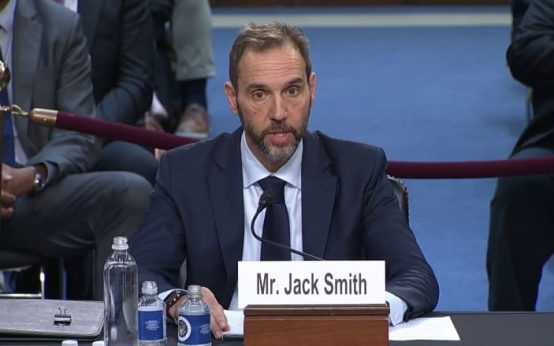 High-Profile Hearing and AI Developments: Key Political Moves