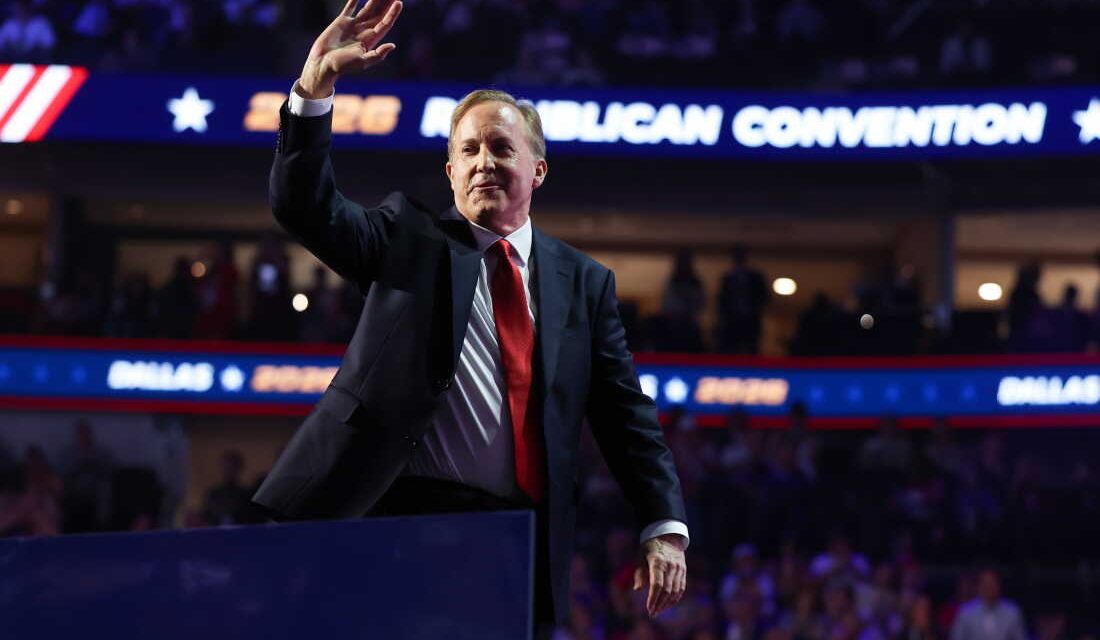
Ken Paxton, the Texas Senate nominee and current state attorney general, recently spoke at the Republican convention in Dallas. During his speech, he highlighted the financial support he needed to compete in the upcoming election. For a significant period, Paxton had been outpaced by his opponent, James Talarico, in campaign ads. Talarico, the Democratic nominee, had spent millions introducing himself to voters.
This scenario changed dramatically with substantial contributions from Republican super PACs and dark money groups. Notable contributors include President Trump’s MAGA Inc. and Texas PAC, closely aligned with Senate Republicans. Collectively, these groups reserved more than $94 million worth of ads to support Paxton in September. This amount overshadows the approximately $20 million backing Talarico during the same month.
An analysis by the tracking firm AdImpact shows that Republican ad spending for September, aiming to boost Paxton, exceeds the total Democratic ad expenditure in Texas for the entire election cycle. At the Dallas convention, Paxton addressed the attendees, stating the crucial need for support against Talarico. Paxton described Talarico as “the most radical Democrat in Texas history,” who is also substantially funded.
Talarico, serving as a state representative, has successfully raised significant campaign funds through viral television appearances and fundraising appeals. As of the last campaign finance deadline in June, Talarico had 12 times more cash on hand than Paxton. However, the influence of super PACs and dark money groups able to raise unlimited funds quickly changes the dynamics.
Heading into the final weeks of the 2026 midterms, Republicans have gained a significant advantage in ad spending. According to NPR’s analysis of AdImpact data, Republican candidates and groups have pledged over $557 million, compared to Democrats’ $343 million, in the nine most competitive Senate races this fall. This advantage extends across most contests, barring one, in Georgia.
Scott Jennings, a seasoned Republican strategist, acknowledged the significant influx of funds. He stated that it arms Republicans with the necessary resources to make compelling arguments, draw contrasts, and engage in meaningful debates.
The arrival of the “cavalry,” as Jennings puts it, involves more than $150 million in initial ad bookings from MAGA Inc. and two new Trump-aligned groups: No Going Back PAC and Safety and Affordability PAC. These funds finance a variety of ads across TV, streaming, and digital platforms, potentially impacting both Senate and House races.
Despite the heightened campaign spending, much of the focus remains on defense. Among the races receiving significant Republican ad reservations are traditional swing contests and others in states that supported Trump by significant margins in 2024. In the Senate, states like Alaska, Texas, North Carolina, and Ohio require Republican support to maintain control. Equally, in the House, GOP-aligned PACs spend in districts like Texas’ 15th, which Trump previously won by a large margin.
The current political environment poses challenges for Republicans. Historically, the president’s party faces losses in midterms, amplified by recent issues affecting President Trump’s popularity, such as trade wars and tensions with Iran. Nevertheless, Trump’s campaign fundraising capabilities persist.
Trump recently mentioned holding nearly $1 billion in the super PAC and plans to allocate a substantial portion to the midterms, reiterating the need to invest heavily to avoid losing. On the other hand, Jesse Ferguson, a Democratic operative, points out how predictable this financial scenario was due to the Democrats being the party out of power.
The spending discrepancy offers a glimpse into each party’s resource allocation. Changes are anticipated as campaigns adjust strategies. Notably, no ad reservations are confirmed for Texas post-October, while the Ohio Senate race has secured over $116 million in ad bookings.
While substantial funding can shape outcomes, Ferguson argues it cannot change voter sentiment entirely. Republicans, therefore, rely on their financial reserves not just to win votes, but to secure Senate seats and campaign effectively in redrawn House districts.
 Sen. Cotton Opposes Permanent Daylight Saving Time
 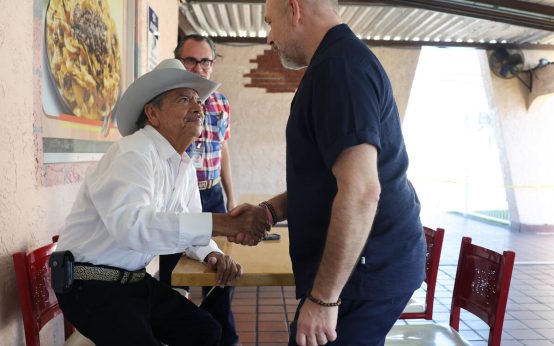 Steve Hilton’s Latino Outreach and Gubernatorial Ambitions
 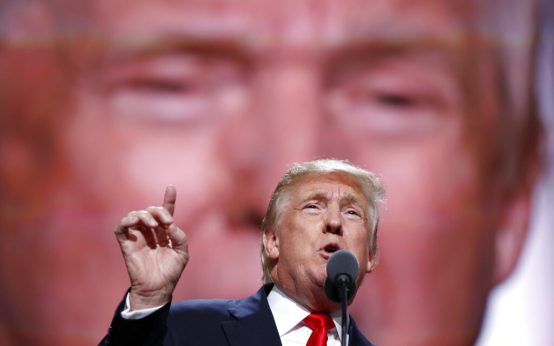 The Need for Reform in Presidential Nominations
  Controversy Surrounds Performances at Gillette Stadium
 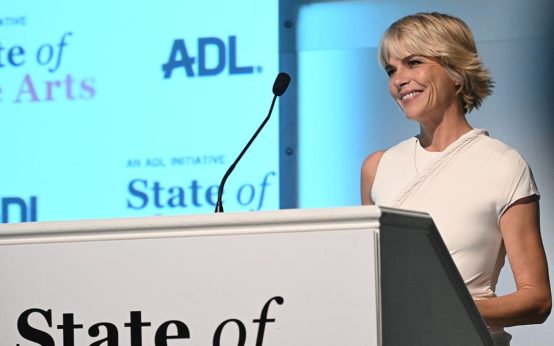 Celebrity Controversies Over Political Activism and Speech
  Trump Pushes for Permanent Daylight Saving Time, Sharing Senator’s Contact Information