
In a heated primary debate held in Grand Rapids on Tuesday evening, Democratic candidates for the Michigan Senate seat presented distinct visions for their party’s future. This debate marked their first face-off since the third candidate exited the race.
Debate Overview
Representative Haley Stevens, a moderate candidate, confronted Dr. Abdul El-Sayed, known for his progressive stance. The debate highlighted key Democratic dilemmas nationally, with Stevens focusing on electability and El-Sayed advocating for political reform against corporate influence.
Clashing Candidates
Dr. Abdul El-Sayed, who leads in current polls, criticized the existing political framework, emphasizing his opposition to corporate-funded politics. He frequently targeted corporate interests during the debate, aiming to resonate with grassroots supporters.
Haley Stevens countered by accusing El-Sayed of prioritizing personal publicity over Michigan residents’ interests. She alleged that his focus on media visibility could make him vulnerable in the broader general election.
Key Arguments
Stevens asserted her commitment to public service in her opening statement. She emphasized her refusal to engage in media pursuits purely for self-promotion and differentiated herself from candidates with similar tendencies.
El-Sayed depicted Stevens as aligned with corporate entities and interest groups, including the pro-Israel lobby. He implied that her election would represent minimal change from their potential Republican opponent, Mike Rogers, who remains uncontested in his primary.
The debate showcased the ideological rift within the Democratic party as candidates vie to influence its direction and strategy in the upcoming elections.
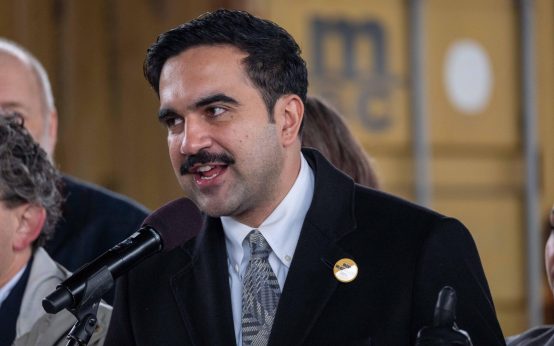 Mayor Mamdani’s Policing Reform Plans
 Gen Z Voter Shifts and Their Impact on the 2026 Midterm Elections
 Disappearance of US Senate Candidate Raises Questions
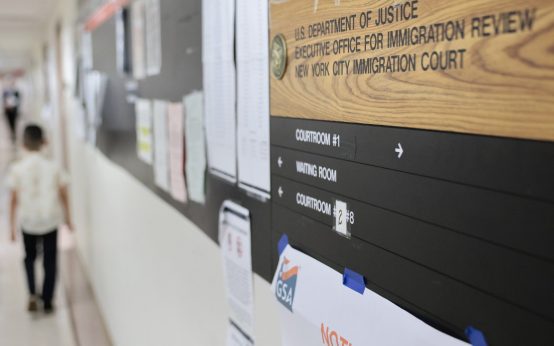 DOJ Rule Change Reduces Appeal Time for Immigrants Facing Deportation
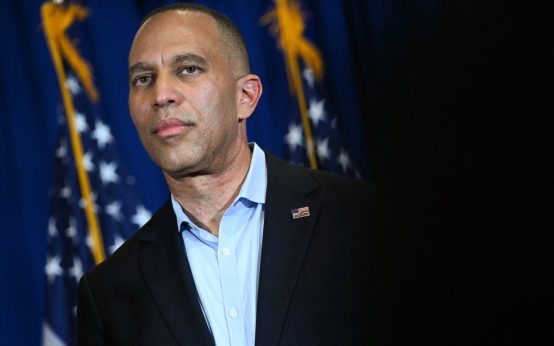 Hakeem Jeffries’ Bid for House Speaker Faces Progressive Hurdles
 Ohio Judge Dismisses Defamation Lawsuit by Rep. Max Miller