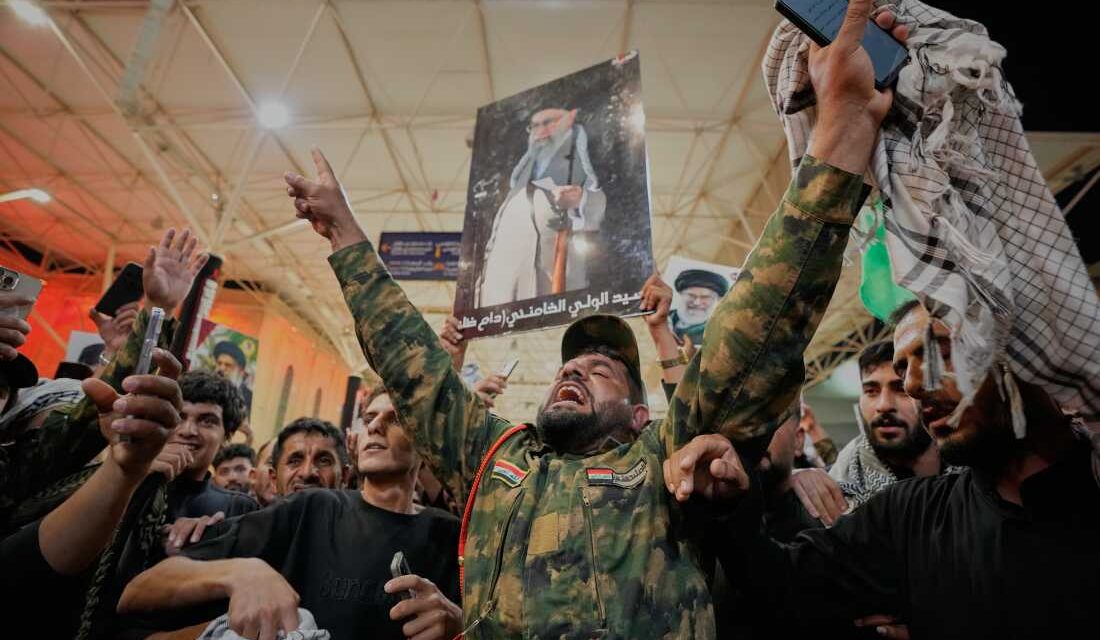
The U.S. military launched an attack on Iran early Wednesday. This followed Iran’s alleged assault on three ships in the Strait of Hormuz. This U.S. action also involved revoking Iran’s ability to sell crude oil on the global market. Iran responded with strikes on Bahrain and Kuwait. The crossfire threatens to disrupt a truce in the ongoing conflict, increasing the potential for a wider Middle Eastern war.
Funeral Disruptions
These actions occurred as Iran held funeral ceremonies for its Supreme Leader, Ayatollah Ali Khamenei. He was killed at the start of the conflict. Observers anticipated this period to be calmer, despite calls from mourners for retaliation against U.S. President Donald Trump and Israeli Prime Minister Benjamin Netanyahu.
U.S. Strikes Iran
The U.S. Central Command confirmed the strikes aimed at imposing costs for Iran’s attacks on commercial shipping. Targets included air defense systems and small boats used by Iran’s Revolutionary Guard. The U.S. military remains prepared to respond to any further violations.
Iran acknowledged the attacks but did not report any losses. Explosions reportedly echoed through Bandar Abbas, Qeshm, and Sirik. Bahrain and Kuwait, both hosting U.S. military bases, sounded missile alerts.
Retaliatory Measures
The Revolutionary Guard admitted targeting U.S. installations in both nations. They claimed that the U.S. violated an existing ceasefire and the Islamabad understanding by striking coastal and civilian stations. Previously, similar incidents led to retaliatory actions last month.
The strikes coincided with Trump’s attendance at a NATO summit in Turkey. Also, the U.S. revoked an interim license allowing Iran to sell oil openly. This decision came after attacks on a tanker off the coast of Oman.
Strait of Hormuz Issues
The affected ships were mostly following a route near Oman’s shore, a path Tehran warned against. Iran insists that only its designated route through the strait is safe. It has allegedly attacked other ships in the past using the Oman route.
International Response
Qatar denounced an “unacceptable attack” on its tanker, holding Iran responsible. Currently, a temporary 60-day agreement allows free ship passage. Iran’s insistence on route control and future fees conflicts with longstanding practices.
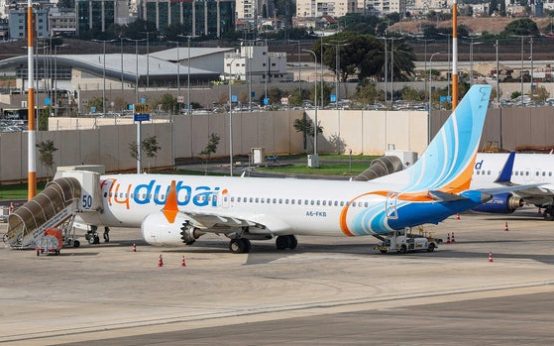 Incident on FlyDubai Flight Raises Security Concerns
  Journalist Gershkovich Discusses Wrongful Detention and Release in Russian Prisoner Swap
 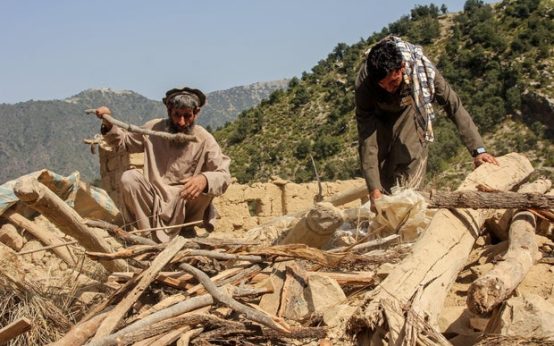 Pakistan Airstrikes in Afghanistan: Civilian Casualties Reported
 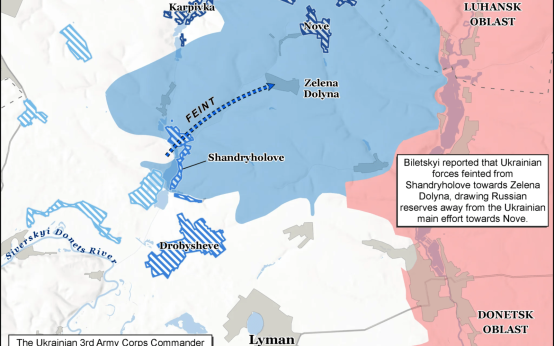 Ukraine Converts APCs to Explosive Devices in Donetsk Offensive
  Dutch Review Board’s Euthanasia Ruling and International Debate
  Israeli PM Commends Heroic Actions in Flight Emergency