The introduction of new artificial intelligence technologies coincides with a challenging period for humanity. While the timing may not be ideal, the impact of these technologies is undeniable. As a technologist, I find the innovations exciting yet concerning due to their implications.
Recently, a powerful AI model from Anthropic, called Claude Fable 5, made headlines. Released on June 9, this model excelled in writing and debugging computer code. However, its launch sparked controversy. The Trump administration restricted its use to non-U.S. citizens, citing safety concerns. This abrupt ban left Anthropic unable to manage access based on nationality. Given only 90 minutes to comply, the company suspended usage for all users.
The government eventually removed the restrictions by July 1, once Anthropic addressed safety risks to their satisfaction. For me, someone in favor of AI regulation, the crackdown seemed chaotic and lacked transparency, yet hinted at a move towards better regulation.
During the restricted period, my frustration grew as it felt more like censorship than protection. It challenged my fundamental belief in free speech. This experience led me to consider that effective AI governance might need an approach akin to First Amendment principles.
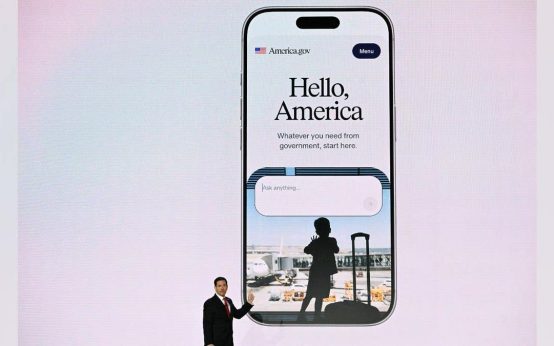 Trump Unveils AI-Powered America.gov Platform
  Trump’s 2024 Campaign Targets Young Men Through Cryptocurrency
  How Modern Windows Improve Home Insulation
  State Department Simplifies Passport Process with Online Applications
  Senate Democrats Block Data Center Bill Over Efficiency Concerns
  Future Cities: Ambitious Projects Aiming for Innovation and Sustainability