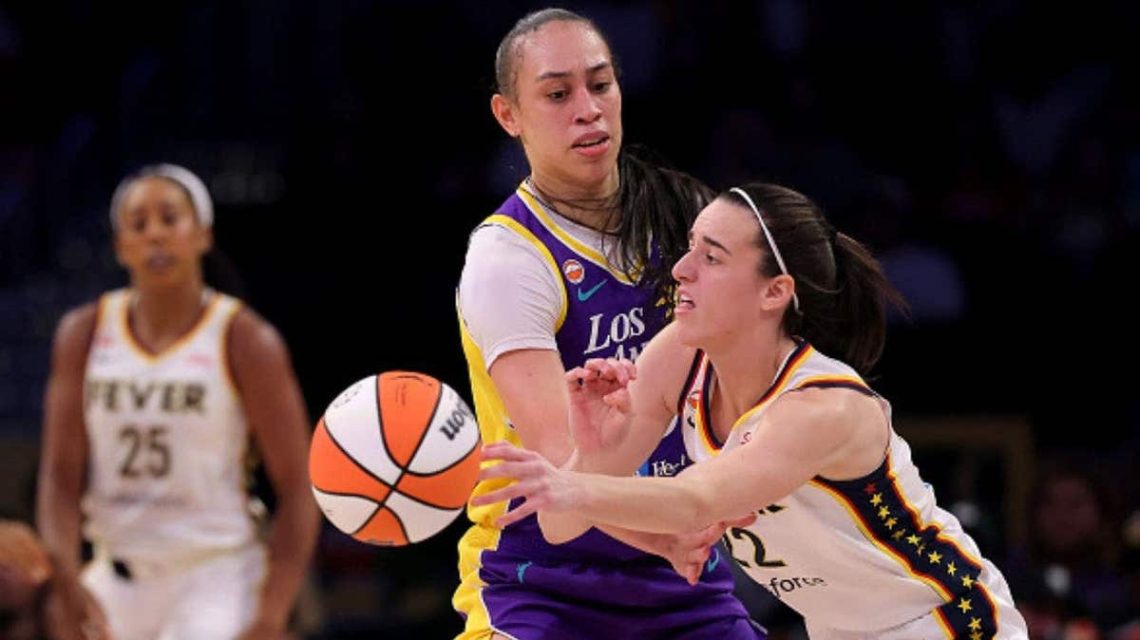
A recent discussion on CNN centered around why many WNBA players appear to harbor resentment toward Caitlin Clark. Former ESPN host Cari Champion challenged the notion that race plays a role, arguing that such suggestions disrespect the Black women who have supported and founded the league.
Complex Hostility Toward Clark
Many questions arise about the perceived hostility toward Clark, especially from Black players. Is this hostility simply because Clark is a straight White woman in a league dominated by Black or LGBTQ+ individuals? The answer involves more nuances than just identity.
Clark’s Unique Standing
Clark stands out not only because of her identity but also because she chooses not to engage in the racial and sexual activism prevalent in the league. This refusal to conform to expected roles makes her a controversial figure.
“The identity left, if you will, doesn’t reject all White people,” said a panelist, emphasizing that it’s certain types of individuals who face rejection.
Comparisons Within the League
Examples like Cameron Brink and Paige Bueckers illustrate cooperativeness in acknowledging privilege. Brink has openly addressed her privilege as a White, feminine player. Her public statements align with the league’s social messaging.
In contrast, Clark chooses to focus on her performance, not public endorsements of social causes. This different approach invites scrutiny and criticism, rather than acceptance.
Perspectives on Anti-Racism
Analysts argue that being anti-racist is different from merely being non-racist. Figures like Robin DiAngelo and Ibram X. Kendi popularized these ideas, pushing individuals to prove they oppose racism actively.
Clark, however, sticks to her basketball identity, steering clear of cultural agendas. This choice aligns with her refusal to become a symbol in America’s culture wars.
Cultural and Media Narratives
Clark’s rise as a White American sports superstar complicates perceptions of her. Some players and media figures argue her race and gender contribute to her fame. Journalist Jemele Hill pointed out in 2024 that her identity plays a role in her popularity.
Such narratives shape how incidents involving Clark are perceived. Media sometimes defend players who act aggressively toward her instead of condemning the aggression.
Clark’s Path Ahead
The challenges facing Caitlin Clark are clear. Without conforming to social expectations, her standing in the league remains contentious. Despite her contributions to the sport, the lack of acceptance by some within the league persists.
Bobby Burack, a writer for OutKick, highlights the complexities behind Clark’s position in the WNBA landscape.
 The Quest for the Knuckleball Dream
 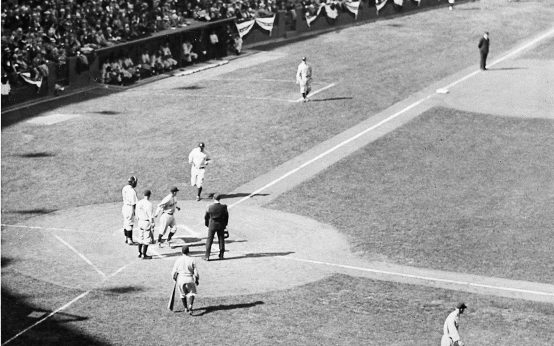 Historical Events in Chicago on October 1st
  Stephen A. Smith Discusses Houston Texans’ Critical Matchup Against Dallas Cowboys
 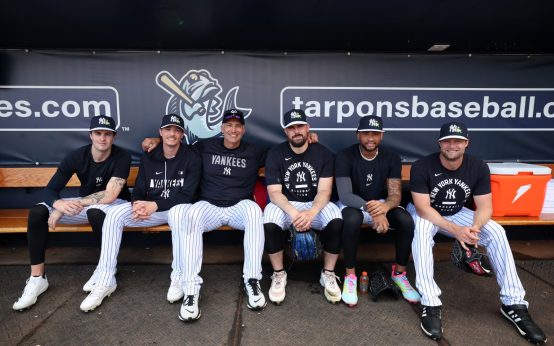 CC Sabathia Anticipates Yankees’ Game 1 Pitcher for ALDS After Beating Red Sox
 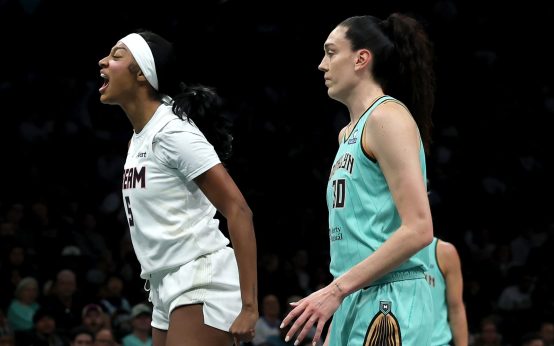 Atlanta Dream Progress to WNBA Semifinals
  Los Angeles Lakers Focus on Defense in Luka Doncic Era