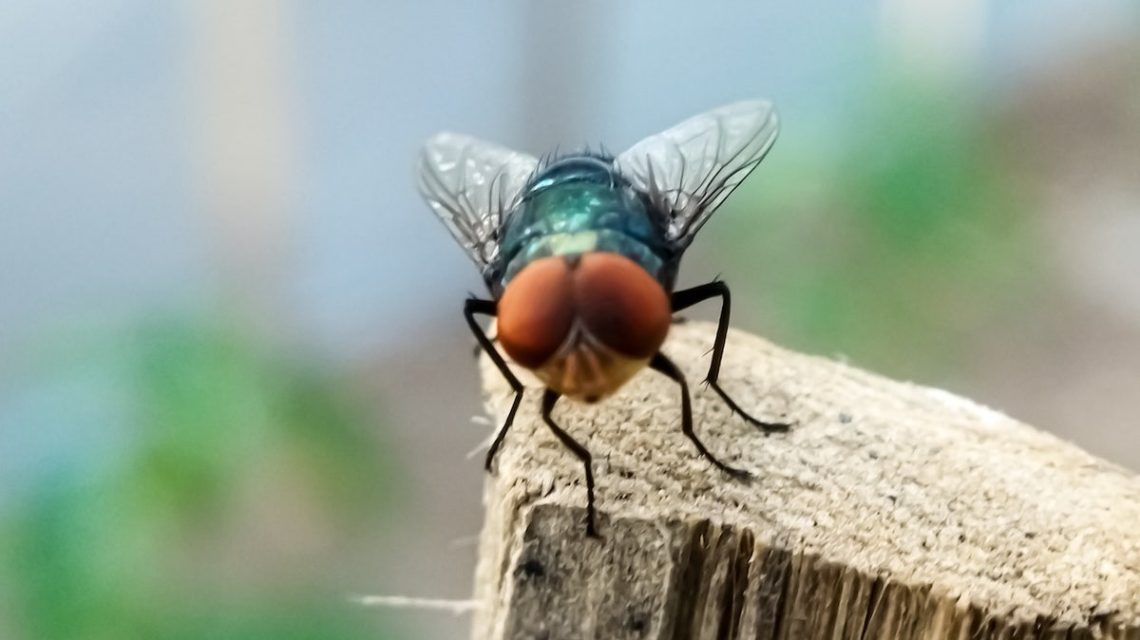
The reappearance of the New World screwworm, a parasite that eats flesh and was eliminated in the U.S. during the 1960s, is causing concern over its potential impact on the country’s food supply. Unlike common foodborne illnesses like norovirus, E. coli, and salmonella, which affect millions annually, the screwworm is not considered a threat to food safety.
The U.S. food supply remains unaffected by the New World screwworm, as it is an issue affecting animals rather than a foodborne pathogen,
Dr. Aaron Glatt from Mount Sinai South Nassau Hospital stated. He explained that the infestation affects live animals, but meat, milk, or produce do not become contaminated as a result.
According to Glatt, screwworms die during standard meat processing and cooking. The screwworm, native to South America and the Caribbean, reached the U.S. via Central America and Mexico after a 2023 outbreak in Panama and Costa Rica.
Recent Outbreaks and Safety Measures
On June 3, a case in a three-week-old calf in Zavala County, Texas, marked the first U.S. detection since the 1960s, except for a limited outbreak in the Florida Keys (2016-2017). The USDA has reported 33 cases in Texas and New Mexico since early June, affecting cattle, goats, and a pet dog.
U.S. food and milk supplies undergo regular testing by regulatory bodies. Animals involved in food production must be inspected before and after slaughter to ensure they meet safety and humane handling requirements. According to a USDA spokesperson, if an animal shows illness signs at a slaughterhouse, it is isolated for further inspection.
If infection is identified early, a veterinarian can treat the animal and disinfect wounds to prevent further complications. Infected livestock are quarantined until healing is complete.
Screwworm Transmission
The screwworm is a fly about the size of a housefly. It infects warm-blooded animals, including livestock, wildlife, and pets, and rarely humans. Infection occurs when a female fly lays eggs near small wounds, with one female capable of laying up to 3,000 eggs over her lifespan of 10 to 30 days. The hatching maggots feed in wounds, then drop to the ground to mature into flies.
Transmission occurs when a screwworm fly lays eggs in a wound. It does not spread through meat, poultry, or dairy products. Additionally, humans cannot pass screwworm to others, nor can infection result from eating affected meat, Dr. Bobbi Pritt of the Mayo Clinic clarified.
Though screwworms thrive in tropical and subtropical climates, colder weather limits their survival. Some scientists note that climate change might expand screwworm habitats. However, current outbreaks are linked to northern migration.
Efforts to Combat Screwworm
To address outbreaks, the USDA uses sterile insect technique, releasing sterile male flies to mate with females, reducing the population. This method helped eliminate screwworms in the 1960s.
In May 2025, the USDA announced a $21 million funding to renovate a southern Mexico facility focusing on sterile screwworm fly production, expected to start in 2026. Plans include investing $750 million in a new facility in Edinburg, Texas, set to open by November 2027.
Symptoms, Treatment, and Prevention
In rare human cases, symptoms like non-healing wounds, pain, redness, and visible larvae should prompt medical consultation. Removal of maggots should only be done medically, as improper removal may worsen infections.
The CDC advises wearing long sleeves, pants, hats, socks, and EPA-registered repellents to prevent infection. To handle maggots safely, place them in alcohol in a sealed container, and consult a doctor. The CDC also suggests avoiding outdoor sleeping, using screened tents, or staying indoors with closed or screened windows.
 Increased Funding Needed for Psychiatric Hospitals
  Trump Administration Distributes ACA Refund Checks
  Higher Consumption of Ultra-Processed Foods Linked to Increased Health Risks
  Understanding Inflammation: Myths and Facts
  Calm Parenting: Strategies to Manage Stress
  Trump’s Executive Order to Combat Mosquitoes and Ticks in D.C.