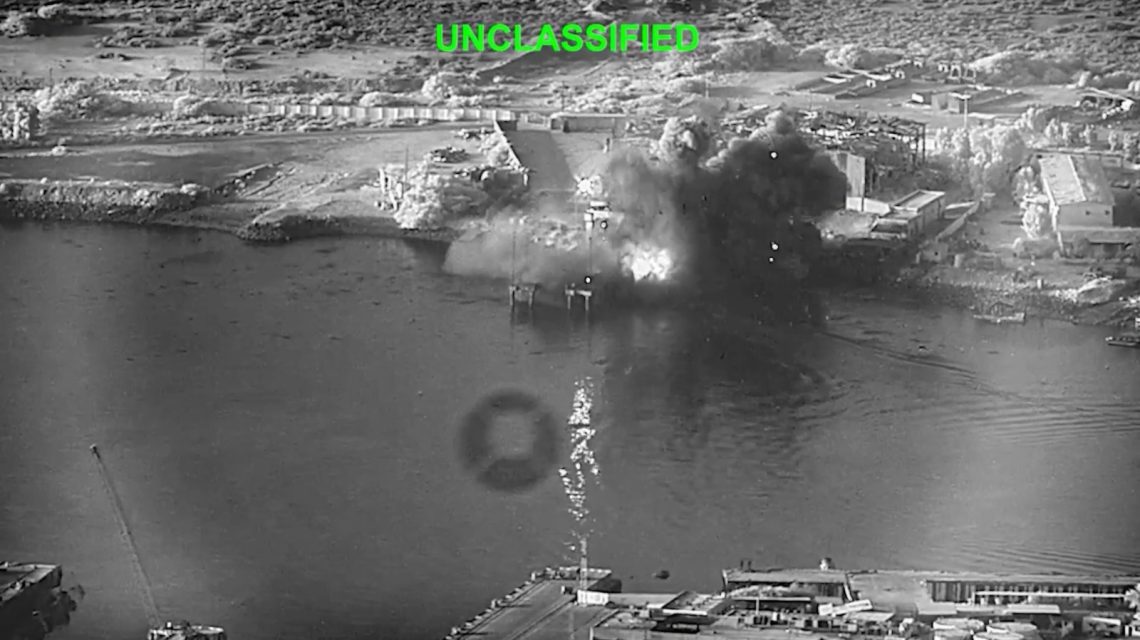
While many Americans slept, U.S. missiles targeted locations across Iran, causing significant damage. President Donald Trump has warned of further strikes on key infrastructure, igniting fear and uncertainty among the Iranian populace. Meanwhile, Iran’s Revolutionary Guard Corps (IRGC) views these developments as advantageous.
Trump campaigned as the candidate who could end foreign conflicts, criticizing past involvements in Iraq and Afghanistan. Despite this, he risks becoming embroiled in another prolonged conflict. His aggressive actions ironically benefit the Iranian regime he aims to undermine.
The IRGC’s Gains from Conflict
Iran’s leaders, particularly the IRGC, find strategic benefit in the ongoing tensions. Dr. Andreas Krieg, of King’s College London, explained how conflict solidifies the IRGC’s political model, fostering a state of constant mobilization and justifying repression. They appear as Iran’s defenders while the tension allows them to disrupt the Strait of Hormuz, a critical global oil passage. This strategy, though reliant on inferior military assets like missiles and drones, poses a significant threat to global economic stability.
The IRGC could gain further by negotiating trade deals, offering safe passage through the Strait in exchange for economic concessions. Peiman Salehi, a political analyst, highlighted how the situation affects global power dynamics, particularly with China’s oil imports from the region at stake.
Challenges and Risks
Trump’s options are narrowing. Airstrikes damage infrastructure but don’t disable Iran’s military capacity. A ground invasion would be costly and politically unpopular. Krieg notes that Iran expects to endure hardships longer than the U.S. can manage political and economic fallout. This belief, however, carries risks.
For instance, escalating strikes could erode Iran’s economy, causing social unrest as the population faces increased repression and dwindling resources. Dr. Burcu Ozcelik of RUSI cautioned that further attacks on critical infrastructure would severely impact daily life for Iranians, sparking unpredictable domestic responses.
Externally, overreliance on asymmetric tactics might push Iran into subservience to larger powers, like China. Should China perceive Iran’s leaders as inflexible, it might reduce support, demanding cheaper oil instead.
Finding a Path Forward
The idea of optics dominates politics, both locally and globally. For the U.S. and Iran, backing down presently is infeasible without losing face. Both Trump and Iran’s hardliners need to claim a symbolic victory to satisfy domestic expectations.
Dr. Krieg suggested that Trump could pivot policy, portraying de-escalation as a triumph if Iran makes nuclear concessions. Tehran seeks a story of resistance leading to U.S. withdrawal and aid.
However, the current Memorandum of Understanding (MOU) between the two nations is flawed. Ozcelik pointed out differing interpretations and the lack of mechanisms to resolve disputes within the agreement. In Krieg’s view, neither side is eager for all-out conflict. Yet, continued tension with sporadic negotiations appears likely for now.
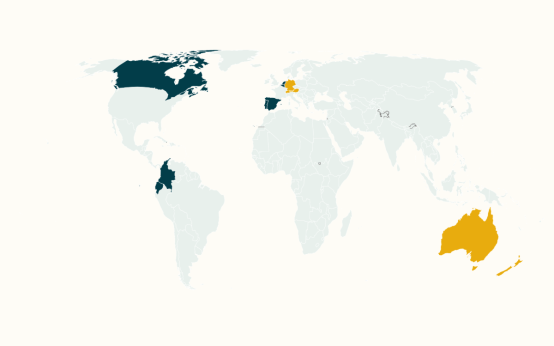 Dutch Review Board’s Euthanasia Ruling and International Debate
 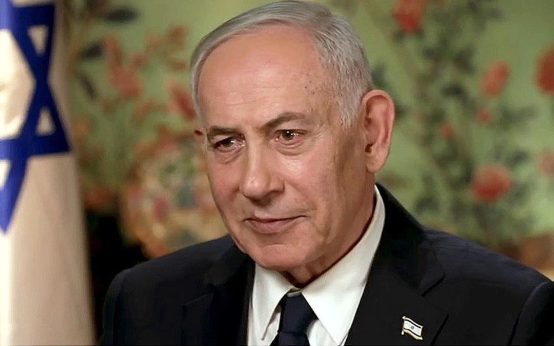 Israeli PM Commends Heroic Actions in Flight Emergency
 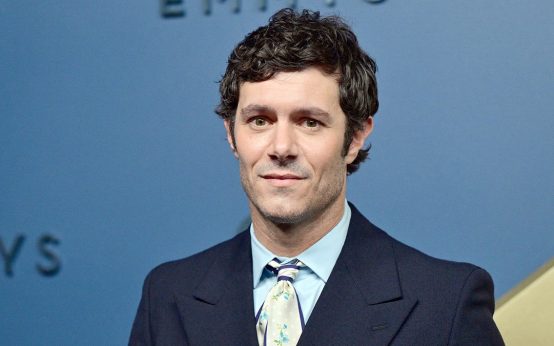 Rabbi and Jewish Leaders Criticize Adam Brody for ‘Genocide’ Comment
  Flydubai’s Emergency Landing Highlights Cockpit Security
 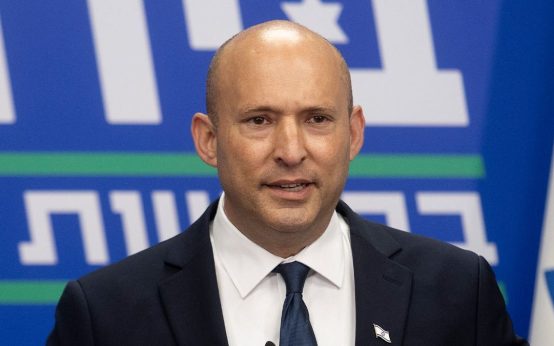 Former Israeli PM Naftali Bennett Commends Passengers and Crew for In-Flight Heroism
 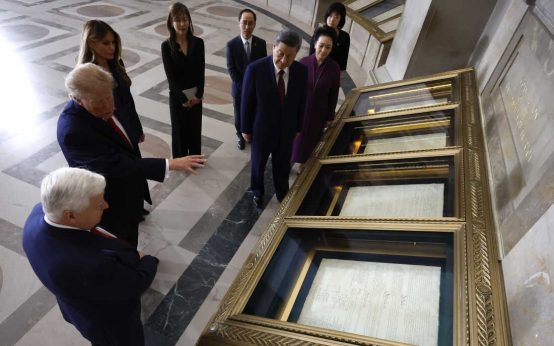 Diplomatic Complexities Unfold at U.S. National Archives Visit